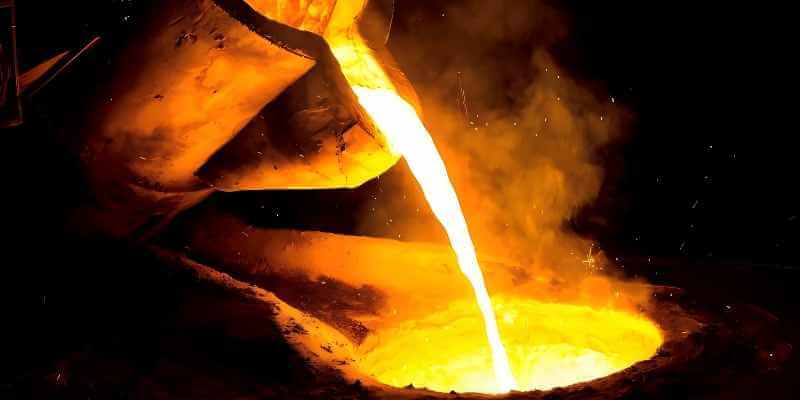
How do jewelers melt gold? This essential technique in jewelry creation converts solid gold into a molten state for shaping exquisite designs.
Successful gold melting requires knowledge of its properties, particularly its 1,064°C (1,947°F) melting point, necessitating precise tools and techniques.
Traditionally, jewelers used simple flame methods, but today’s workshops rely on advanced equipment like induction furnaces that heat gold quickly and precisely.
The process serves three main purposes: creating new designs from scratch, recycling old jewelry into fresh pieces, and mixing alloys for different colors and strengths.
However, melting gold isn’t as simple as just applying heat. Jewelers must carefully prepare materials, control temperatures, and follow strict safety protocols. Modern technology has made the process more efficient.
In this blog, we’ll explore both the science and craftsmanship behind professional gold melting. Whether you’re a curious enthusiast or an aspiring jeweler, you’ll understand why this precise melting process is fundamental to jewelry craftsmanship.
Why Jewelers Melt Gold
Gold melting isn’t just about heating metal—it’s the key to unlocking jewelry’s full potential. Here’s why jewelers rely on this transformative process:
- Reshaping Designs
Jewelers melt gold to transform solid metal into liquid form, enabling the creation of intricate designs that would be impossible to achieve with solid gold.
At 1064°C, molten gold becomes sufficiently fluid to perfectly replicate intricate wax mold details.
This liquid versatility makes techniques like lost-wax casting possible, allowing jewelers to produce detailed filigree work, hollow structures, and precise reproductions of 3D-printed designs.
A single gram of molten gold can perfectly fill a complex 5 cm bracelet mold, capturing every minute detail of the original pattern.
Want to learn more about lost-wax casting?
- Value Recovery
The process also allows jewelers to recover value from scrap gold with remarkable efficiency. Broken chains, old jewelry, and workshop filings can be melted down and reused with over 95% material recovery.
For example, remelting a damaged 10g 18K gold chain yields about 7.5g of pure reusable gold.
Most jewelers follow the industry standard practice of blending old and new gold in at least a 50/50 ratio, which helps maintain quality while reducing material costs by up to 40% compared to using entirely new gold.
- Alloy Customization
Molten gold serves as the foundation for creating specialized alloys with specific characteristics. By carefully mixing gold with other metals in its liquid state, jewelers can produce different colors and adjust hardness levels.
Common alloy compositions feature 18K yellow gold (75% gold, 12.5% silver, 12.5% copper) and 18K white gold (75% gold, 25% palladium/nickel).
The molten state allows these metals to blend at the atomic level, with composition tolerances held within ±0.3% for consistency. Electromagnetic stirring ensures uniform mixing, and final verification is done through traditional touchstone testing.
- Historical Preservation
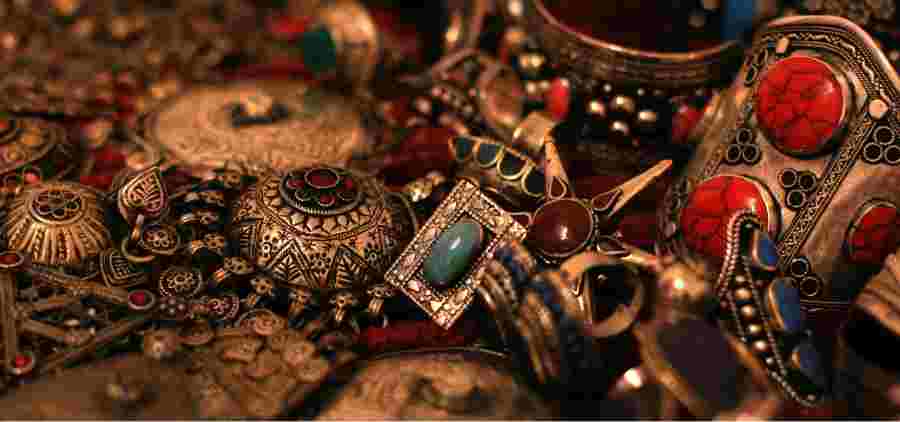
Beyond technical applications, gold melting preserves sentimental value by transforming heirloom pieces into new forms while retaining their emotional significance.
A grandfather’s pocket watch might become a modern pendant, or wedding bands could be reshaped into a baby’s bracelet, with the original metal purity carefully maintained throughout the process.
These special projects often require separate crucibles for family metals and detailed documentation of the original pieces. Some jewelers even offer to incorporate fingerprints or other personal elements into the new casting.
All melting work follows strict ISO 8652 standards, with XRF verification at each stage and separate work zones maintained for different gold karats to ensure purity and quality.
What is XRF and How Does it Work?
In conclusion, gold melting empowers jewelers to reshape designs, recover value, customize alloys, and preserve history—all while maintaining precision and emotional significance. This transformative process blends artistry with science.
Now, let’s explore how jewelers achieve this alchemy: the step-by-step techniques and tools used to melt gold safely and effectively.
How Jewelers Melt Gold
Gold melting represents the alchemy of modern jewelry making—transforming solid precious metal into limitless creative possibilities. Professional jewelers employ precise techniques to ensure purity, maximize efficiency, and unlock gold’s full potential.
Step 1: Raw Material Preparation
Before any gold reaches its molten state, jewelers undertake meticulous preparation that ultimately determines the quality, purity, and workability of the final product.
This initial phase separates professional results from amateur attempts, establishing the foundation for successful casting and alloying.
- Gold Classification
The preparation process begins with the systematic organization of materials. Jewelers carefully separate gold by:
Purity levels:
- 24K (99.9% pure gold)—Utilized for investment-grade bullion and traditional cultural jewelry pieces.
- 18K (75% gold)—The standard for high-end jewelry, offering durability and richness.
- 14K (58.3% gold)—Common in commercial jewelry for its hardness and affordability.
Material sources:
- New gold from certified ingots or grain
- Old jewelry pieces (often of unknown origin)
- Workshop filings and production scraps
- Recycled materials from refineries
This sorting serves multiple purposes. First, it prevents accidental contamination—mixing 18K and 14K gold without recalculation would create an unpredictable 16K-ish alloy that might not meet legal hallmarking standards.
Second, different sources often contain unique trace elements; old jewelry may contain solders or repairs using different alloys that could affect the new piece’s integrity.
- Precision Weighing
With materials sorted, jewelers turn to exact measurements using digital scales accurate to 0.01 grams. This precision matters because:
- Alloy formulas require perfection—an 18K white gold recipe calling for 75% gold, 20% palladium, and 5% silver demands exact proportions.
- Cost control—with gold’s high value, every 0.1 gram impacts profitability.
- Quality assurance—Proper ratios ensure expected color, hardness, and workability.
When working with old jewelry, experienced jewelers add 10-15% extra weight to the calculation. This buffer accounts for:
- Non-gold components (solder, attachments)
- Surface dirt and oils
- Impurities that will oxidize or become slag
- Flux Preparation:
The final preparation step involves flux—typically a borax-based compound that performs several essential functions:
- Chemical Protection: Forms a protective layer that prevents oxidation during melting.
- Purification: Binds to impurities, allowing them to rise to the surface as removable slag.
- Improved Workability: Reduces surface tension, making the molten gold flow better into molds.
The standard 1:10 flux-to-gold ratio can be adjusted based on the material quality—older jewelry with more impurities might require slightly more flux.
Some jewelers create custom flux blends by adding soda ash or silica for specific applications, though borax remains the industry standard for its reliability and cost-effectiveness.
This comprehensive preparation transforms raw materials into an optimized state ready for the transformative power of heat. The care taken in these initial steps separates master jewelers from novices, ensuring successful results in subsequent melting and casting processes.
Step 2: Heating and Melting Gold
With materials perfectly prepared, jewelers begin the magical transformation from solid to liquid gold. This critical phase requires careful equipment selection and expert handling to achieve optimal results.
Induction Melting Furnace
- How It Works
Induction furnaces employ electromagnetic induction to create internal heating within gold materials. When high-frequency alternating current passes through the copper coil, it creates a rapidly reversing magnetic field.
This field induces electrical currents (called eddy currents) inside the conductive gold metal, causing immediate resistive heating from within.
- Step-by-Step Operation
First, the jeweler places a graphite or ceramic crucible inside the induction coil’s optimal heating zone.
Next, they program the digital controller with the desired temperature parameters—typically setting it between 1064°C (gold’s melting point) and 1100°C for working temperature. After securing the crucible, they activate the high-frequency current generator.
During operation, jewelers observe the process through a quartz viewing window. The gold typically becomes fully molten within 2-3 minutes for a 100g batch. Most systems feature automatic temperature regulation that maintains ±5°C precision throughout the melting process.
Finally, the system either automatically shuts off or alerts the operator when reaching the target temperature.
- Key Benefits
The induction method offers several important advantages. It provides the fastest melting times available, with virtually no heat-up delay.
Since the heat is generated within the gold itself rather than transferring from an external source, it achieves a remarkable energy efficiency of 85-90%.
The closed system prevents oxidation and contamination, making it ideal for working with pure gold and platinum group metals.
- Limitations
However, induction systems require significant investment, with quality units costing $3,000-$15,000.
They generally need three-phase electrical power, which may require facility upgrades. The technology only works with electrically conductive metals, excluding some specialty materials.
Maintenance involves periodic coil replacements and cooling system checks.
See induction melting applications.
Resistance Furnace Melting
- How It Works
Resistance furnaces generate heat through electrical resistance in heating elements rather than in the metal itself.
Silicon carbide or molybdenum disilicide elements glow red-hot when current passes through them, radiating heat evenly throughout the chamber. Advanced models incorporate ceramic fiber insulation for maximum efficiency.
- Step-by-Step Operation
Operators first prepare the crucible with proper flux and carefully weighed gold. They program the controller with a gradual temperature ramp-up, typically 10°C per minute, to prevent thermal shock.
As the furnace reaches about 700°C, they activate any built-in electromagnetic stirring mechanisms. At the target temperature, the furnace maintains exceptional stability, with top models varying less than ±3°C.
Jewelers hold the melt at temperature for 5-10 minutes to ensure complete alloy integration. Some systems offer programmable cooling curves to control crystalline structure development.
- Key Benefits
These furnaces excel at creating consistent, homogeneous alloys. The gentle, indirect heating prevents component separation in complex mixtures.
Temperature stability surpasses other methods, crucial for color-sensitive alloys like rose or white gold. The system handles both conductive and non-conductive materials. Advanced models can be melted under inert gas atmospheres for oxidation-sensitive applications.
- Limitations to Consider
Resistance furnaces operate more slowly than induction systems, often requiring 10-15 minutes to melt equivalent batches. They consume more energy due to heat loss through radiation.
Element replacement represents an ongoing maintenance cost and operational downtime. Maximum temperature capabilities are typically limited to about 1200°C, restricting some high-temperature applications.
Gas Torch Melting
- How It Works
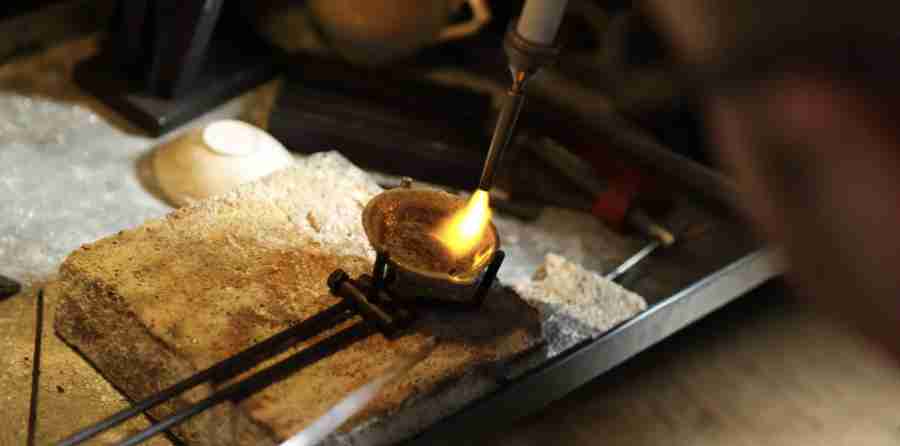
Gas torches create heat through controlled combustion. Jewelers typically use either oxygen-propane or oxy-acetylene mixtures.
The torch nozzle mixes fuel gas with oxygen, creating different flame types. A neutral flame works best for gold melting, providing clean, efficient heat without excess oxidation.
- Step-by-Step Operation
Jewelers begin by securing a small crucible in a fireproof holder or tripod. They light the torch and carefully adjust the gas ratios until achieving a neutral flame with a clearly defined inner cone.
Holding the torch at a consistent 2-4 cm distance, they apply heat using circular motions across the gold’s surface. As the gold heats, experienced jewelers watch for specific visual cues.
The metal first develops a dark red glow, then progresses to bright orange, and finally reaches the characteristic liquid state with a shimmering, mirror-like surface.
For small repairs, jewelers often use specialized tweezers or third hands to position pieces during localized melting.
- Key Benefits
Gas torch setups remain popular because they offer unmatched flexibility at low cost. A complete professional torch kit costs just $200-$500. The portable system allows jewelers to work anywhere with proper ventilation.
It’s particularly valuable for making quick repairs, adjusting existing pieces, or creating small custom components. The visible flame gives direct control over the heating process.
- Limitations to Consider
Torch melting requires constant operator attention and skill to maintain proper temperatures. The open flame produces fumes that require proper ventilation systems.
Temperature control remains imprecise compared to other methods. Practical batch sizes are limited to about 50 g due to heat dissipation. Safety concerns include fire risks and potential gas leaks.
Each melting method serves specific needs in jewelry production. Modern workshops typically combine multiple systems—using induction for pure gold work, resistance furnaces for alloy production, and torches for repairs and adjustments.
Understanding these technologies helps jewelers select the optimal approach for each project’s requirements and quality standards.
Step 3: Post-Melting Processing
After reaching its liquid state, molten gold embarks on one of three distinct journeys, each serving different creative and technical purposes in jewelry making.
- Lost-Wax Casting for New Jewelry
This ancient technique, now enhanced with modern technology, begins with creating either a hand-carved or 3D-printed wax model of the desired piece. The wax model gets encased in special plaster investment material before being heated to burn out the wax, leaving behind a perfect cavity.
Molten gold then gets injected into this cavity under vacuum pressure or centrifugal force, ensuring it fills every intricate detail of the mold. Once cooled, artisans fracture the investment mold to expose the freshly cast gold piece.
Modern 3D printing creates wax patterns with incredible detail. Vacuum casting machines achieve 0.1mm precision, perfect for intricate filigree and complex designs. This method ensures consistency across production runs.
- Old Gold Recasting
When customers bring in heirloom jewelry for transformation, jewelers follow a careful process to preserve both the material and emotional value.
The first step involves thoroughly cleaning the old pieces and removing any non-gold components like gemstones or solder. The gold then gets melted in small batches using dedicated crucibles, typically blending it with at least 50% new gold to maintain quality and workability.
Additional flux helps remove any remaining impurities before the molten gold gets poured into new molds. Common transformations include reshaping wedding bands into pendants, converting broken chains into new rings, or creating baby keepsakes from family jewelry.
Many jewelers document this transformation process with photos or videos, helping clients preserve the memory of their original pieces while enjoying their new creations.
- Custom Alloy Production
Jewelers often create proprietary gold alloys to achieve specific colors, hardness levels, or working properties. The process starts with precisely weighing pure gold and alloying metals according to carefully developed formulas.
These components get melted together in resistance furnaces where controlled heating and electromagnetic stirring ensure perfect homogenization.
After casting into ingots or directly into jewelry components, the alloys undergo rigorous testing through methods like touchstone comparison, XRF analysis, and acid tests to verify their composition and quality.
These custom alloys often become signature elements of a jeweler’s work, with their precise formulas guarded as valuable trade secrets, as even small variations in temperature or cooling rates can significantly impact the final product’s characteristics.
| Alloy Type | Gold Content | Additive Metals | Key Melting Control |
|---|---|---|---|
| 18K Yellow Gold | 75% | Copper + Silver | The copper ratio adjusts yellow saturation |
| 18K White Gold | 75% | Palladium/Nickel + Zinc | Precise temp control prevents Pd oxidation |
| 18K Rose Gold | 75% | High-Copper + Silver | Thorough mixing ensures even color |
These three methods give jewelers versatile ways to work with molten gold. Whether creating new designs, repurposing heirlooms, or developing special alloys, each approach serves different creative needs. The best choice depends on the project’s specific goals and desired results.
What Matters Most in Gold Melting
Gold melting represents one of the most critical processes in jewelry making, where precision and safety directly impact both quality and profitability. Professional jewelers follow strict protocols across three key areas to ensure optimal results.
- Gold Purity Management
First, jewelers must handle gold purity correctly. During gold recycling processes, jewelers consistently blend reclaimed material with a minimum of 50% freshly refined gold. This important step prevents bubbles and defects in the final piece.
Next, modern workshops use XRF analyzers to check gold content. These handy devices measure metal composition instantly and accurately. For extra certainty, many jewelers still use traditional touchstone tests too.
Importantly, this careful checking ensures all gold meets strict quality standards. For example, it guarantees that 18K gold contains exactly 75% pure gold.
- Melting Equipment Selection
Choosing the right melting system depends on production needs:
Induction furnaces dominate mass production, especially for chain manufacturing and setting fabrication. Their rapid heating and automated temperature control make them ideal for repetitive casting work. Advanced models integrate directly with vacuum casting machines for flawless mold filling.
Resistance furnaces shine in alloy development, particularly when working with oxidation-prone metals like silver or copper. The indirect radiant heat prevents the separation of alloy components, while inert gas options protect sensitive mixtures. These furnaces maintain exceptional temperature stability, crucial for color-sensitive applications like rose gold production.
Micro gas torches serve antique repair specialists working with delicate pieces. The pinpoint flame allows localized heating impossible with larger systems. Master jewelers often use custom torch tips to create specific flame patterns for different repair scenarios.
- Safety Protocols
Gold melting presents multiple hazards requiring rigorous safeguards:
Moisture control is critical. Even a tiny water drop can cause dangerous explosions. Workshops keep strict “dry zone” rules and use special drying ovens for tools.
Proper ventilation matters too. Melting releases harmful fumes, so good airflow systems are a must. Many shops use downward-draft tables that pull fumes away from the worker.
Protective gear is essential for gold melting. Heat-resistant gloves and a full-face shield protect hands and eyes from extreme heat and splashes. A fireproof apron and arm guards shield the body, while sturdy, slip-resistant footwear guards against spills and heavy objects.
By following these guidelines, jewelers create beautiful pieces while keeping safe and minimizing gold waste.
Modern technology keeps improving—some workshops now use AI temperature controls and robotic pouring. But the basics of careful gold handling remain just as important as ever.
Good technique, the right tools, and strict safety measures still make all the difference in quality jewelry making.
Conclusion
Gold melting is where science meets artistry—turning raw metal into wearable masterpieces. Modern jewelers rely on advanced tools like induction furnaces for fast, precise, and contamination-free melting.
At FOCO Induction, we engineer high-performance melting solutions that streamline jewelry production. Our furnaces ensure consistent results, whether you’re casting intricate designs or crafting custom alloys.
From preparation to pouring, every step matters. Proper safety measures and quality checks guarantee flawless outcomes. Advanced tools empower jewelers to explore innovative designs without compromising production efficiency.
The transformation from solid to liquid gold is the foundation of great jewelry—and with FOCO Induction, it’s simpler than ever. Explore how our technology can enhance your craft.