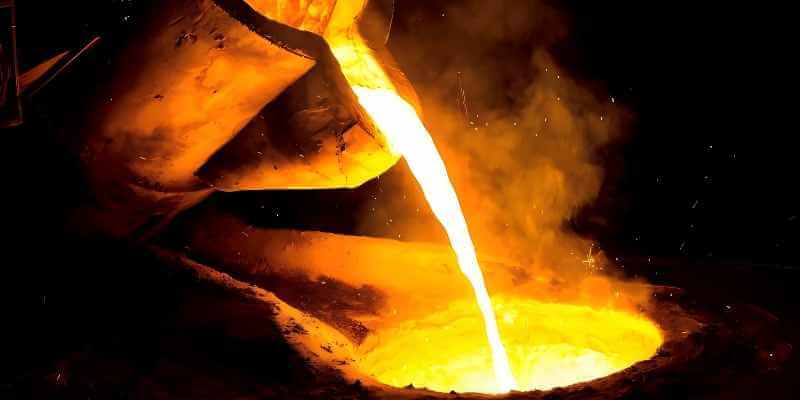
Gold induction furnace maintenance ensures peak performance for your precious metal operations. Unlike standard melting equipment, gold furnaces face unique challenges due to extreme temperatures and strict purity requirements.
First, gold’s high fluidity demands careful handling. Even minor crucible cracks can cause costly leaks. Second, alloy composition sensitivity means cross-contamination from residues can alter gold color and purity. Additionally, oxidation risks increase at high temperatures, making protective gas systems critical.
Proper maintenance solves these issues. For example, regular coil cleaning prevents gold vapor buildup, while scheduled lining inspections avoid contamination. Moreover, cooling system checks reduce energy waste by 10-20%.
This guide covers practical steps to extend furnace life, ensure safety, and protect gold quality. Let’s explore the daily disciplines that keep your induction furnace running smoothly and prevent major issues.
Importance of Gold Induction Furnace Maintenance
Regular maintenance of gold induction furnaces is essential for maximizing performance, safety, and cost efficiency in precious metal processing.
Unlike standard melting furnaces, gold smelting demands stricter care due to extreme temperatures, high purity requirements, and the risk of contamination. Below are five key reasons why proactive maintenance is critical.
1. Extends Gold Induction Furnace Lifespan
Gold melting operates at extremely high temperatures—often exceeding 1100°C—which accelerates wear on critical components.
For instance, the induction coils and refractory linings degrade faster under prolonged heat exposure. Without frequent inspections, microcracks can form, leading to costly failures.
Additionally, gold slag buildup inside the crucible can cause uneven heating and thermal stress. To prevent this, operators must clean the crucible thoroughly after each smelting cycle.
Simple steps like removing residual gold particles and inspecting for erosion can significantly prolong furnace life.
2. Improves Gold Production Efficiency
Optimal power regulation plays a pivotal role in determining both the melting rate and overall energy efficiency.
Since gold melts at 1064°C (higher for alloys), optimizing the power module ensures faster, more consistent heating. However, failure to properly maintain cooling systems may result in IGBT module overheating, causing energy consumption to rise between 10-20%.
For example, clogged cooling water pipes reduce heat dissipation, forcing the furnace to work harder. Regular checks on water flow, temperature, and purity help maintain peak efficiency. A well-maintained furnace not only melts gold faster but also reduces operational costs.
3. Enhances Operational Safety
Gold smelting poses unique safety risks, particularly due to molten gold’s high fluidity. A damaged lining or crucible can lead to leaks, causing fires or loss of valuable material.
As a critical safety precaution, operators should conduct thorough lining inspections for cracks and verify complete sealing prior to every operation.
Electrical safety is equally important. Gold smelting workshops often use explosion-proof systems to handle volatile fumes.
Regular ground resistance testing prevents electrical faults, while proper insulation checks reduce short-circuit risks. A well-maintained furnace minimizes hazards for both workers and equipment.
4. Lowers Total Operating Costs
Preventive maintenance is far cheaper than emergency repairs. Industry data shows that scheduled upkeep can cut repair expenses by over 30%.
For example, replacing a worn crucible in advance avoids sudden breakdowns that halt production.
Unplanned downtime is especially costly in gold processing, where delays disrupt refining schedules and inventory management. By following a structured maintenance plan, businesses ensure continuous operation and long-term savings.
5. Guarantees Metal Quality

Even minor contamination affects gold purity and appearance. Residues from previous melts (like copper or iron) can alter color and reduce fineness. Regular cleaning of coils and crucibles prevents cross-contamination, ensuring consistent 99.99% purity.
A real-world example: A neglected refractory lining may flake off silica particles, dropping gold purity from 99.99% to 99.9%. Such impurities can lead to rejected batches and financial losses. Strict maintenance protocols keep gold quality at industry standards.
In conclusion, Proactive maintenance of gold induction furnaces is not optional—it’s a necessity. From extending equipment life to ensuring safety and purity, regular upkeep protects both the furnace and the precious metal it processes.
By investing in preventive care, operators avoid costly repairs, maximize efficiency, and maintain the highest gold quality.
Routine Maintenance of Gold Induction Furnace
Consistent maintenance is the key to keeping your gold induction furnace running smoothly. Unlike standard melting equipment, gold furnaces require more frequent checks due to extreme temperatures and purity demands.
Below is a detailed daily and weekly maintenance guide to prevent breakdowns and ensure optimal performance.
Daily Maintenance of Gold Induction Melting Furnace
- Cooling System
The cooling system is crucial for preventing overheating, especially since gold smelting operates above 1100°C.
First, check the deionized water flow—impurities in standard water can cause electrolytic deposits and clog pipes. Next, monitor the water temperature; it should stay below 60°C after smelting to avoid thermal stress.
Additionally, inspect all pipes for leaks or blockages. A restricted water flow can lead to coil overheating, reducing efficiency by 10-20%. If the cooling system fails, the IGBT modules may overheat, increasing energy costs.
- Power & Control System
Stable power is essential for precise gold melting. Start by verifying instrument readings—voltage, current, and frequency should match operational standards. Any fluctuations may indicate capacitor aging or IGBT failure.
Next, review the PLC/HMI interface for alarm messages. Gold melting requires steady temperature control; sudden power drops can cause solidification issues. Finally, log power consumption trends daily—abnormal patterns help detect early component wear.
- Crucible and Lining
Gold’s high fluidity makes crucible maintenance critical. Immediately after smelting, clean the inner walls with a borax-sodium carbonate mixture to remove gold residues. Leftover slag can cause hot spots, weakening the crucible over time.
Then, inspect the refractory lining for microcracks. Gold easily penetrates tiny gaps, leading to contamination in future batches. If cracks exceed 1mm, schedule a repair to prevent leaks.
Weekly Maintenance of Gold Induction Melting Furnace
- Induction Coil
Gold vapor deposition on coils reduces efficiency. First, wipe the coil surface with alcohol to remove gold particles. Next, test insulation resistance—it must exceed 2MΩ (higher than standard furnaces) to prevent short circuits.
Also, check the cooling water inlet/outlet temperature difference. If it exceeds 15°C, the coils may have blockages. For severe buildup, flush the coils with a 10% nitric acid solution to restore performance.
- Gas protection system
While pure gold resists oxidation, gold alloys require strict gas shielding. Check argon lines weekly for leaks using soap solution, maintaining oxygen below 50 ppm.
Set flow rates at 10-15 L/min – insufficient flow causes dross formation, while excess wastes gas. For nickel-based white gold, keep oxygen under 30 ppm.
Always pre-purge the chamber for 2-3 minutes before melting. Maintain reserve argon cylinders on standby specifically for crucial pouring operations to ensure continuous workflow.
- Mechanical Components
Loose parts can lead to operational hazards. Start by lubricating the furnace tilting mechanism (if equipped). Dry bearings increase wear and may cause uneven pouring.
Then, tighten all electrical connections and bolts. Vibration from frequent heating cycles can loosen terminals, risking power fluctuations. Finally, inspect the exhaust system for gold dust buildup, which can clog filters.
In conclusion, proactive maintenance of gold induction furnaces delivers three key benefits: extended equipment lifespan, consistent metal purity, and optimal operational efficiency.
By implementing daily cooling system checks, power monitoring, and other inspections, operators prevent 90% of common furnace failures. These routine practices form the foundation for reliable gold melting operations.
For maximum furnace performance, attention must also extend to critical components like refractory linings, induction coils, and power modules.
In the following section, we’ll examine specialized maintenance techniques for these core elements that ensure long-term productivity in precious metal processing.
Key Components Maintenance
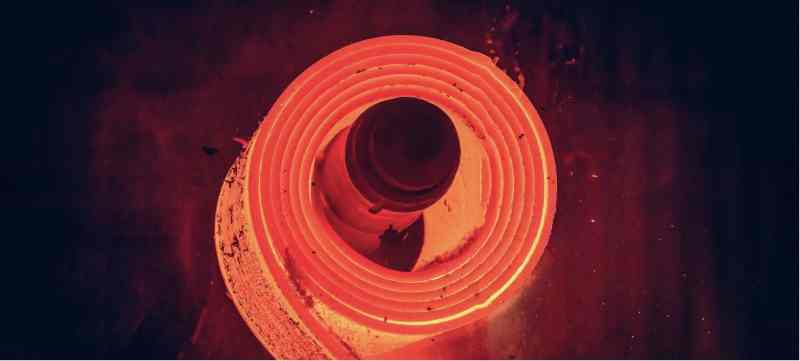
Maintaining the critical components of a gold induction furnace ensures consistent performance, metal purity, and operational safety.
Unlike standard melting furnaces, gold processing demands specialized care for crucibles, refractory linings, power systems, and exhaust treatment due to extreme temperatures and precious metal properties.
Below is a detailed maintenance guide covering inspection methods, replacement criteria, and troubleshooting for each key component.
Gold-Specific Crucibles
Gold crucibles face unique challenges—high fluidity, alloy contamination risks, and thermal shock. Different crucible materials demand specific protective measures.
Graphite variants need oxidation-resistant coatings, whereas ceramic alternatives must withstand chemical reactions with borax fluxes.
- Replacement Criteria
Crucibles must be replaced immediately when ultrasonic thickness measurements reveal wall thinning below 3mm. Because this compromises structural integrity during high-temperature operation.
Transverse cracks pose a particular danger in gold applications due to the metal’s exceptional fluidity, which enables penetration through microscopic fissures.
Severe erosion or visible metal infiltration also warrants replacement, since gold’s high density accelerates contamination of subsequent batches.
These failure modes become critical faster than with base metal crucibles, requiring more frequent inspections – typically after every 50 melts for graphite and 30 for ceramic types in gold service.
- How to maintain
After each melting cycle, thoroughly clean the crucible interior using a borax-sodium carbonate mixture to completely remove all gold residues, taking care to only use non-metallic tools that won’t scratch or damage the crucible surface.
For proper storage, maintain crucibles in a strictly controlled, moisture-free environment to prevent thermal shock cracks that can develop from sudden temperature changes.
Always store crucibles in an inverted position to prevent dust accumulation inside the vessel, which could contaminate future melts.
These meticulous cleaning and storage practices are particularly critical for gold applications, where even minor contamination can significantly impact metal purity.
Refractory Lining
Gold’s penetration capability demands high-density linings. Zirconia (ZrO₂) coatings offer superior erosion resistance, while low-porosity alumina linings minimize metal infiltration.
- Inspection Tools
Operators must utilize specialized tools to properly evaluate lining conditions in gold melting furnaces. Endoscopes provide critical visibility into hard-to-reach corners and bottom areas where molten gold naturally accumulates due to its high density.
Ultrasonic thickness measurement provides accurate quantitative evaluation of refractory lining integrity, requiring immediate replacement once material loss surpasses half the initial thickness specification.
These inspection techniques are particularly vital for gold operations, where even minor lining degradation can lead to costly metal penetration or contamination issues that wouldn’t occur with base metal processing.
- How to maintain
Weekly inspections should carefully examine the lining surface for any developing cracks or spalling, with minor damage immediately repaired using high-purity alumina cement to prevent further deterioration.
During quarterly maintenance, technicians must thoroughly inspect the insulation layers between the refractory lining and the furnace body, paying special attention to potential gold infiltration that could create electrical short circuits.
These comprehensive checks are particularly crucial for gold melting operations, where the metal’s high fluidity and conductivity demand more stringent monitoring than standard foundry applications.
Power Supply & Control System
Gold melting requires stable 1–10 kHz frequencies: high frequency (>10 kHz) for small batches (<5 kg), and medium frequency (1–5 kHz) for larger volumes.
- Temperature Calibration
Precise temperature control is critical for gold melting. Perform monthly infrared thermometer calibrations, as even ±5°C variations can compromise alloy quality.
Platinum-rhodium thermocouples are essential for direct measurements – their superior corrosion resistance withstands gold vapors that damage standard sensors.
These procedures ensure measurement accuracy throughout production cycles. Document each calibration with timestamps and technician signatures.
Compare readings against NIST-traceable standards for verification. Watch for oxidation signs on thermocouple surfaces, replacing any compromised units immediately.
Maintain calibration logs showing date, instrument ID, pre/post-adjustment values, and responsible personnel. This documentation supports quality audits and helps identify measurement drift patterns. For critical applications, consider weekly verification checks between formal calibrations.
- How to maintain
Operators should record power consumption curves daily to monitor for abnormal patterns that may indicate developing capacitor or IGBT module issues. This regular tracking helps identify gradual performance declines before failures occur.
Every three months, technicians must thoroughly clean control cabinets to remove accumulated gold dust, which can create conductive paths and electrical shorts.
These maintenance tasks are especially critical in gold melting operations where even minor power fluctuations can affect melt quality and equipment longevity.
Induction Coil
Gold evaporation at high temperatures coats coils, reducing efficiency. High-purity cooling water (resistivity >1 MΩ·cm) prevents electrolytic deposits.
- Maintenance Steps
Daily cleaning of induction coils is essential – wipe all surfaces thoroughly with alcohol-soaked, lint-free cloths to remove gold deposits.
Each week, perform two critical tests: measure insulation resistance (must exceed 2 MΩ) and check the cooling water temperature difference (keep below 15°C).
Every six months, conduct a complete coil overhaul: flush the interior with 10% nitric acid solution and inspect copper tube thickness, replacing any sections worn below 2mm.
These maintenance tips prevent efficiency losses and extend coil lifespan in gold melting applications where vapor deposition occurs rapidly.
- Troubleshooting Coil Issues
When noticing localized reddening on coils, immediately increase cooling water flow to prevent overheating damage. For irregular power fluctuations, carefully clean accumulated gold deposits using compressed air to restore proper electrical contact.
If insulation resistance tests show values below specifications, completely dry the affected area and reapply high-temperature insulating varnish to rebuild proper dielectric protection.
Each solution addresses specific failure modes unique to gold melting operations where high temperatures and metal vapors create distinct maintenance challenges.
Exhaust Gas Treatment System
Gold melting releases toxic cyanide vapors from plated scrap and hazardous metal dust (cadmium/nickel oxides). These byproducts require specialized filtration to meet safety and environmental standards in precious metal operations.
How to maintain
Replace activated carbon filters monthly, using copper sulfate-treated carbon for enhanced cyanide removal efficiency. Perform weekly backflushing of HEPA filters to maintain airflow, with complete replacements every quarter.
For wet scrubber systems, monitor and adjust scrubbing liquid pH to remain above 9.0 at all times to ensure proper neutralization of acidic gases. The polypropylene packing material in scrubbers requires replacement every six months due to gradual degradation from chemical exposure.
These maintenance routines are critical for safe operation, as they prevent toxic gas releases and maintain system effectiveness in gold processing environments where hazardous fumes are consistently generated.
Safety Notes
All maintenance personnel must wear NIOSH-approved full-face respirators with multi-gas cartridges when handling exhaust system components, as cyanide exposure can occur through both inhalation and skin absorption.
Learn about NIOSH.
Technicians should double-bag spent filters in labeled hazardous waste containers and complete disposal manifests, tracking each batch from removal to final treatment.
Implement a buddy system during all filter changes, with emergency eyewash stations and cyanide antidote kits accessible within 10 seconds of work areas.
Quarterly training refreshers should cover proper PPE donning/doffing procedures and emergency response protocols for chemical exposures.
In gold refining operations, these safety protocols are absolutely mandatory, as filters can accumulate dangerous levels of toxic heavy metals and cyanide compounds that pose life-threatening risks.
Maintain detailed safety logs documenting all maintenance activities, equipment inspections, and personnel exposure monitoring results for regulatory compliance audits.
Consistent maintenance ensures gold induction furnaces operate safely and efficiently. Daily cleaning, weekly inspections, and scheduled part replacements prevent costly failures.
Gold’s high value and extreme processing temperatures demand stricter care than standard metals. Proper upkeep protects workers from hazards like cyanide exposure while maintaining 99.99% purity.
Document all maintenance and train staff thoroughly. These practices optimize furnace lifespan, reduce downtime, and ensure regulatory compliance. For gold processors, rigorous maintenance isn’t optional – it’s the key to profitable, sustainable operations.
Annual Maintenance of Gold Induction Furnace

For optimal performance, schedule professional annual maintenance with the manufacturer. Technicians should completely dismantle the furnace to inspect critical components.
They must check copper coil tubes for thinning caused by gold vapor corrosion. This thorough examination reveals hidden wear that daily checks might miss.
After each smelting cycle, retain gold samples for purity analysis. Use XRF testing to verify if maintenance practices affect metal quality. Compare results across production batches to identify trends.
Additionally, review all safety systems during the annual service. Test emergency shutdown mechanisms and gas detection alarms. Calibrate all monitoring instruments to factory specifications. Replace any worn insulation materials between the lining and furnace body.
Finally, update maintenance records with detailed findings. Include measurements, replacement parts, and test results. This documentation helps track equipment health over time. It also ensures compliance with industry regulations.
Professional annual maintenance prevents major breakdowns. It maintains production efficiency and protects your valuable gold inventory.
Troubleshooting
Even with proper maintenance, gold melting operations can encounter specific challenges. The table below summarizes three frequent problems, their likely causes, and proven solutions for quick reference.
When you notice impurities in molten gold, slow melting rates, or surface oxidation, this guide helps identify and resolve issues efficiently.
Each solution considers gold’s unique properties – from its high conductivity requiring precise frequency settings to its need for rigorous contamination control.
| Symptom | Possible Cause | Solution |
|---|---|---|
| Impurities in molten gold | Crucible contamination/lining spalling | Replace with platinum-coated crucible and use high-purity alumina lining |
| Slow melting rate | Incorrect frequency setting | Adjust to medium-high frequency (gold requires stronger skin effect) |
| Surface oxidation | Insufficient protective gas | Check argon flow rate and add covering flux (borax + sodium carbonate) |
Conclusion
Maintaining a gold induction furnace requires specialized knowledge and consistent care to ensure optimal performance, safety, and metal purity.
From daily cooling system checks to annual professional inspections, each maintenance step plays a crucial role in preventing costly failures and maximizing efficiency.
Gold’s unique properties—high fluidity, extreme melting temperatures, and sensitivity to contamination—demand stricter protocols than standard melting operations.
By implementing the maintenance practices outlined in this guide, operators can extend furnace lifespan, reduce downtime, and maintain 99.99% gold purity. Proper care also minimizes safety risks associated with toxic fumes and molten metal handling.
At FOCO Induction, we offer premium gold melting systems designed for durability and precision, along with comprehensive maintenance training programs to optimize furnace operation.