Induction hardening machine maintenance is fundamental for unlocking the full value of this critical technology. By rapidly hardening surfaces of key components like gears and shafts, induction hardening significantly boosts wear resistance and fatigue strength. Yet, this precision hinges entirely on consistent machine performance.
That’s why proactive maintenance isn’t optional—it’s essential for reliability and profitability. Regular upkeep directly ensures consistent product quality, minimizes costly unplanned downtime, extends your valuable equipment’s lifespan, and prevents safety hazards.
The goal of this guide is clear: to provide you with practical, actionable strategies. We’ll outline the essential tasks for daily monitoring, scheduled preventive checks, and key subsystem care.
By implementing these straightforward tips, you can achieve greater production stability, protect your significant capital investment, and ensure your induction hardening process delivers reliable, high-quality results day after day. Think of this as your roadmap to maximizing uptime, safety, and the long-term health of your vital equipment.
Daily Operation Monitoring & Basic Care of Induction Hardening Machine
Consistent daily routines are your first line of defense in keeping induction hardening machines reliable. Simple checks and cleaning habits catch small issues early, preventing costly downtime. Let’s break this down into three key phases: before, during, and after operation.
Pre-Shift Checks
First, visually scan the machine exterior for damage, oil/coolant leaks, or debris. Next, verify critical parameters: Is input voltage stable? Are cooling water pressure and temperature within the green zone? Finally, run a quick no-load test. Listen for unusual vibrations or grinding noises—these often hint at bearing or alignment problems before they escalate.
Observation During Operation
While running, keep a close eye on the control panel. Fluctuations in current, power, or frequency signal potential issues with the power supply or load matching.
Equally important: Monitor the cooling system. Ensure outlet water stays cool and flows steadily. Overheating from poor cooling is a top cause of coil or power supply failure. If readings drift, pause and investigate—don’t wait until shutdown.
Post-Operation Essentials
After powering down, clean immediately. Wipe oil spills, metal dust, and quench residues from the machine surface and work area. Pay special attention to the induction coil: Gently scrub it with a soft brush and mild soapy water to remove slag or oxides. Left unchecked, this buildup reduces heating efficiency and coil lifespan.
Then, protect exposed metal. Raise the worktable fully and retract hydraulic pistons into their cylinders. This prevents rust on critical surfaces like guide rails.
Lastly, if the machine won’t be used for 24+ hours, flip the main power switch off. This reduces wear on electrical components and eliminates standby energy risks.
While daily care handles the basics, a structured preventive plan tackles deeper needs. Next, we’ll outline weekly, monthly, and quarterly tasks to extend your machine’s peak performance.
Scheduled Preventive Maintenance of Induction Hardening Machine
A strong preventive maintenance (PM) plan is the backbone of keeping your induction hardening machine reliable and productive. While daily checks are vital, scheduled maintenance digs deeper to prevent wear, avoid unplanned downtime, and protect your equipment investment.
This proactive approach involves performing specific tasks at regular intervals—weekly, monthly, quarterly, and annually. Sticking to this plan ensures consistent performance, extends machine life, and saves significant repair costs.
Let’s break down the essential tasks based on maintenance frequency.
Daily Tasks
Every day, start with basic checks. Keep machine surfaces clean at all times to prevent dust from collecting. Check hydraulic oil and coolant levels.
Verify that air and water pressure are within normal range. During the startup preheating check, listen for unusual sounds and monitor for abnormalities while running. These quick steps help you catch issues early.
Weekly Tasks
Once a week, perform a more thorough cleaning. Inspect all electrical connections to make sure they are tight. Inspect all hoses and fittings carefully for potential leaks.
Clean the induction coil connection terminals to ensure good contact. Also, test the emergency stop button to confirm it works properly. This weekly attention keeps the machine safe and functional.
Learn about advantages and disadvantages of induction hardening.
Monthly Tasks
Each month, focus on fluid quality and lubrication. Check the hydraulic oil; filter or replace it if it looks dirty. Examine the coolant for concentration, cleanliness, and pH value—top up or replace as needed.
Lubricate all specified parts, such as bearings, guide rails, and ball screws. Also inspect drive systems like belts and chains for proper tension and wear.
Quarterly Tasks
Every three months, deeper checks are needed. Perform a full electrical insulation check. Calibrate key sensors for temperature, power, and flow. Inspect the contacts in main components like contactors and circuit breakers. Keep cooling system filters clean or replace them to ensure optimal performance
Annual Tasks
Once a year, a complete overhaul is recommended. This may include replacing all hydraulic oil, cleaning the hydraulic tank, inspecting the entire electrical control system, and testing mechanical accuracy (e.g., machine positioning). For these complex tasks, it is best to involve a professional engineer or the original equipment supplier.
Below is a table for you to better understand the maintenance points:
| Maintenance Cycle | Key Tasks |
|---|---|
| Daily | Clean machine surfaces; Check hydraulic oil & coolant levels; Verify air/water pressure; Perform pre-operation inspection; monitor for abnormalities during operation. |
| Weekly | Perform thorough external cleaning; Inspect electrical connections; Check hoses/fittings for leaks; Clean induction coil terminals; Test emergency stop function. |
| Monthly | Check hydraulic oil quality (filter/replace if needed); Check coolant quality (top-up/replace as needed); Lubricate bearings, guide rails, ball screws; Inspect drive systems (belts, chains) for tension and wear. |
| Quarterly | Perform electrical insulation check; Calibrate key sensors (temperature, power, flow); Inspect contacts in main components (contactors, breakers); Clean/replace cooling system filters. |
| Annually | Complete Overhaul: Replace hydraulic oil; Clean hydraulic tank; Full electrical system inspection; Mechanical accuracy check/compensation. (Recommended by specialist or OEM). |
Do not forget to keep detailed records. Write down the date, tasks performed, problems found, actions taken, and parts replaced for every maintenance session.
These records create a valuable health history for your machine. They help in tracing recurring issues, planning future maintenance, and proving the value of your PM efforts.
While a good preventive maintenance schedule covers the basics, paying attention to critical subsystems ensures long-term reliability. In the following section, we will discuss the maintenance of key subsystems, beginning with the cooling system.
Key Subsystems Maintenance of Induction Hardening Machine
Moving beyond routine checks, targeted care for your machine’s core subsystems is essential for long-term performance and avoiding major failures. These components—cooling, induction coil, hydraulic, and electrical systems—demand specific attention. Let’s explore practical steps to maintain each one effectively.
Cooling System Maintenance
The cooling system protects your machine from overheating, which is a leading cause of failure. First, use only deionized or distilled water as your cooling fluid. Regularly test its conductivity and purity to prevent scale buildup and electrical issues. Also, monitor water temperature, pressure, and flow rate to ensure they meet specifications.
Next, don’t forget the heat exchanger. Remove dust from external fins and flush internal channels to eliminate scale buildup. This maintains cooling efficiency. Finally, clean or replace inlet filters often to avoid blockages and keep coolant pathways clear.
Induction Coil Care
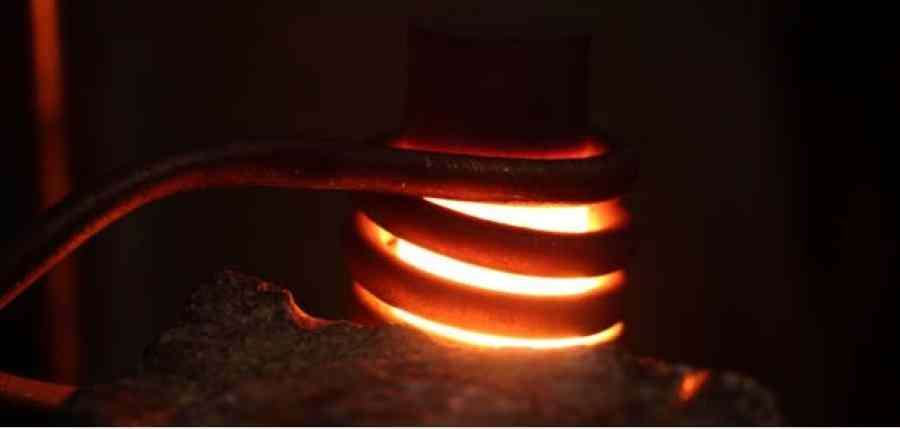
Your induction process centers around the coil’s performance. After each use, clean it thoroughly to remove quench residues and oxides. Gently scrub using a soft brush and soapy water solution. This prevents carbon buildup that reduces heating efficiency.
Additionally, inspect the coil regularly for cracks, deformation, burn marks, or damaged insulation. Even small flaws can cause arcing or poor performance. Also, check that all connections to the transformer are tight and clean. Loose connections lead to overheating and energy loss.
Hydraulic System (If Applicable)
For machines with hydraulics, start by checking the oil level and condition. Look at its color, viscosity, and clarity. Change the oil at recommended intervals.
Then, inspect cylinders, valves, pumps, and pipes for leaks. Replace worn seals immediately. Always keep the oil reservoir and components free from contamination.
Electrical System Upkeep
Safety and accuracy depend on the electrical system. Begin with a visual safety check: examine power cables, grounding, and insulation. Next, tighten all terminal connections on main and control circuits. Loose terminals can overheat and fail.
Also, inspect contactors and relays for signs of arcing or burnt contacts. Replace damaged parts promptly. Lastly, schedule annual calibration by a qualified technician. They will verify and adjust output power, frequency, and other critical parameters to ensure your machine runs accurately.
A strong preventive maintenance plan significantly reduces failures, but it can’t eliminate them entirely. When issues do arise, a systematic approach to troubleshooting ensures quick resolution and turns problems into opportunities for improvement.
Next, we’ll explore practical strategies for troubleshooting & continuous improvement to further enhance your equipment’s reliability and performance.
Troubleshooting & Continuous Improvement
Even with excellent preventive maintenance, occasional issues can still occur. Having a clear troubleshooting process helps your team quickly solve problems, minimize downtime, and learn from each event. This section covers practical steps for effective fault-finding and using those experiences to drive continuous improvement in your operations.
How to buy induction hardening machine?
Building a Basic Troubleshooting Flow
Start by creating simple guides for common problems. This helps operators quickly identify and resolve frequent issues. For example:
Problem: Unstable Power Output
First, check the cooling water flow and temperature. Next, inspect the induction coil for cracks or poor connections. Next, confirm proper alignment of the workpiece. Finally, review recent power settings for errors.
Problem: Machine Fails to Start
First, confirm main power and emergency stop circuits. Next, check for error messages on the control panel. Then, inspect hydraulic pressure and coolant levels if interlocks are installed.
Problem: Cooling System Alarm
First, check the coolant level and look for leaks. Following this, examine the water pump and filters for any obstructions. Then, verify that the heat exchanger is not clogged with scale or debris.
Leveraging Technical Support
Some problems require expert help. Therefore, maintain a good relationship with your machine supplier. For complex issues like repeated electrical faults or control system errors, don’t hesitate to request remote or on-site technical support. They can often provide specific solutions that are not in the manual, saving you time and avoiding incorrect repairs.
Learning from Records and Data
Your maintenance logs are a goldmine of information. Regularly review failure records and operation data to spot repeating issues or trends.
For instance, if you see frequent failures in a specific component, it may be time to upgrade it or adjust your maintenance plan. Use these insights to continuously improve procedures, update training, and even make equipment modifications for better reliability.
A proactive mindset in troubleshooting and improvement keeps your equipment running smoothly and efficiently. By systematically solving problems and learning from each one, you create a more reliable operation.
Next, we will shift our focus to the human element of maintenance, exploring the critical role of Operator Training and Safety Culture in ensuring long-term equipment health and operational excellence.
See applications of induction hardening machine.
Induction Hardening Machine Operator Training and Safety Culture
Well-trained operators and a strong safety culture form the foundation of effective induction hardening machine maintenance. Even the best equipment can underperform without skilled and safety-conscious personnel.
Investing in comprehensive training and fostering a proactive safety mindset reduces errors, prevents accidents, and empowers your team to become the first line of defense in equipment care.
Professional Training
Effective training should cover much more than just starting and stopping the machine. First, ensure operators and maintenance staff understand the basic working principles of the mechanical, electrical, and cooling systems.
Next, teach them how to perform daily inspections, identify early signs of common faults (like leaks or unusual sounds), and execute proper emergency procedures.
Finally, include hands-on sessions where staff can practice these skills in a controlled environment. This builds confidence and ensures they can react correctly when issues arise.
Safety First: Protocols and Protection
Safety must be the top priority in every task. Always enforce Lockout-Tagout (LOTO) procedures before any maintenance begins. This isolates all energy sources and prevents accidental startup.
Additionally, make sure every operator knows the location and function of all emergency stop buttons. Furthermore, highlight specific hazards: high-voltage electrical components, extreme surface temperatures, and chemical exposure from quench fluids.
Mandate the use of appropriate Personal Protective Equipment (PPE)—such as safety glasses, heat-resistant gloves, and insulated tools—for each task.
Cultivating Responsibility and Ownership
Encourage operators to take ownership of their equipment. Empower them to perform basic cleaning, routine checks, and minor adjustments as part of their daily duties.
Most importantly, create an environment where reporting any abnormality—no matter how small—is encouraged and valued. This proactive approach helps catch potential failures early and reinforces the idea that everyone is responsible for both safety and equipment reliability.
Skilled operators and a strong safety culture not only protect your team but also significantly boost productivity and equipment uptime.
By combining technical knowledge with a deep commitment to safety, you create a resilient operation where personnel are empowered to maintain equipment proactively and respond effectively to challenges.
This human-focused approach completes the comprehensive maintenance strategy, ensuring both your workforce and your machinery remain protected and productive.
Conclusion
In summary, maintaining your induction hardening equipment requires a systematic, preventive, and team-based approach—not just reactive repairs. Consistent maintenance safeguards product quality, reduces production costs, improves on-time delivery, and preserves your machine’s long-term value.
At FOCO Induction, we build reliable and durable induction hardening systems designed for performance in real-world manufacturing environments. We also offer comprehensive training and technical support to help you maximize uptime, enhance operator skills, and implement proactive maintenance practices.
By embracing a disciplined maintenance culture, you transform your induction hardening machine into a strategic asset—one that lowers operating costs, increases customer satisfaction, and strengthens your competitive edge. Investing in care today ensures your equipment remains a trusted partner in high-quality production for years to come.