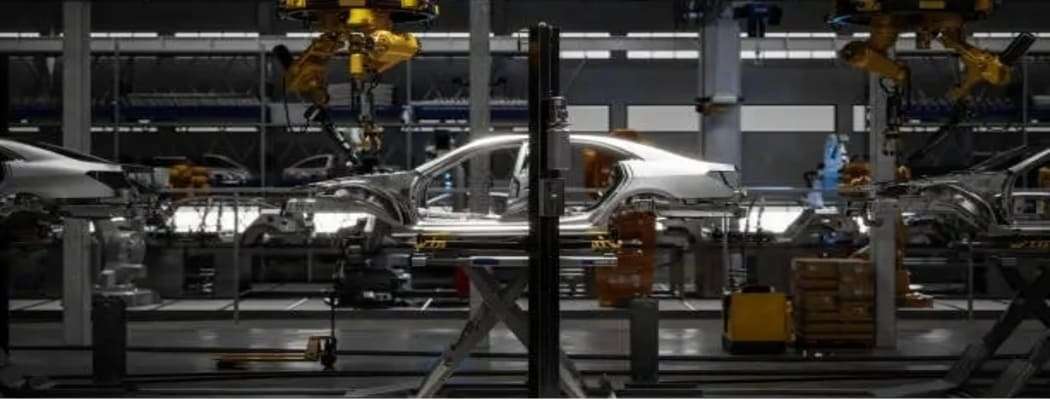
The application of induction brazing is a key player in modern car making. Why? Building cars demands incredibly strong, leak-proof, and efficient connections, all while keeping things as light as possible. Induction brazing excels here, giving a fast and accurate method to connect components.
Now, the car industry is changing fast. We’re moving towards electric vehicles, smarter tech, and even lighter designs. This shift creates new challenges for joining parts.
Think about delicate sensors in EVs or massive battery connections—they need solutions that are both powerful and gentle. Induction brazing steps up here. Its unique ability to deliver focused heat makes it invaluable for tackling these modern demands.
So, what’s this article about? We’ll explore exactly why induction brazing is so important for car parts today. We’ll break down its core advantages–like its pinpoint accuracy, speed, and consistency.
Plus, we’ll look at the specific car components where it really makes a difference, from turbochargers to battery systems. Of course, no technology is perfect, so we’ll also touch on the challenges involved and how the industry is solving them.
Ultimately, this piece aims to show you how induction brazing is driving quality and innovation in the cars we build now and into the future.
Learn about Induction Brazing
Before diving into why it’s so crucial for cars, let’s quickly understand what induction brazing actually is. Essentially, it combines two key ideas: induction heating and the brazing process itself.
What is Induction Brazing
First, induction heating. Picture positioning a metal component within a coiled wire conducting high-frequency current. This creates a rapidly changing magnetic field. Crucially, this field makes the part itself generate heat internally through electrical currents called eddy currents. Think of it like invisible friction happening right inside the metal.
Second, the brazing part. Brazing joins metals using a filler material (the braze alloy) that melts at a temperature lower than the metals being joined. This molten alloy flows into the tiny gap between the parts, pulled by capillary action–similar to how water soaks into a paper towel. Once it cools, it forms a strong, permanent bond.
So, induction brazing simply uses the precise, localized heat from induction to melt the braze alloy exactly where you need it, creating a clean and robust joint.
Why Automotive Manufacturing Loves Induction Brazing
The car industry faces constant pressure: build lighter, stronger, smarter, and faster, all while keeping costs down and quality sky-high. Induction brazing delivers several key advantages that directly meet these tough demands:
1. Precision Heating Like Surgery:
This is arguably its biggest win. Induction heats only the specific joint area targeted by the coil. Surrounding materials, sensitive electronics, delicate sensors (common in EVs), or special coatings stay cool and unharmed.
Compare this to flame brazing or furnace brazing, which heats entire components or assemblies, risking damage or distortion. Protecting nearby parts is critical in modern, electronics-packed vehicles.
2. Speed & Energy Savings:
Induction heating is incredibly fast. The heat is generated directly within the part, meaning a rapid temperature rise exactly where needed. This slashes cycle times on the production line, boosting output.
Furthermore, because energy is focused only on the joint, it uses significantly less power than methods heating whole assemblies. Fast output and productive operations are critical for vehicle mass production.
3. Consistent & Controllable Quality:
Manufacturers need every single part to be identical. Induction brazing excels here. Precise control over power, heating time, and coil positioning means the same amount of heat is delivered to every joint every time.
This repeatability ensures consistent joint strength, leak-proof seals, and a clean appearance, minimizing defects and rework.
4. Perfect for Automation:
Modern car plants rely heavily on robots and automated lines. Induction brazing integrates seamlessly. Coils can be easily mounted on robots, and the process parameters are easily programmed and monitored electronically. This enables reliable, high-speed, automated brazing crucial for mass production.
5. Strong, Clean, Reliable Joints:
The joints created are typically very strong, often approaching the strength of the base metals. They also provide excellent hermetic seals, essential for fuel lines, air conditioning, or battery cooling systems. Furthermore, the process usually results in clean joints needing little or no post-braze cleaning, saving time and cost.
6. More Environmentally Friendly:
Compared to processes like torch brazing (which can produce fumes) or some types of welding, induction brazing generally produces much less smoke, fumes, or harmful gases, especially when using flux-free or vacuum brazing techniques. This helps create a safer, more hygienic production setting.
In short, induction brazing gives carmakers the precise, fast, clean, and automatable joining solution they desperately need for today’s complex vehicles. Now, let’s look at where exactly this technology shines on the modern car.
What are the advantages of portable induction brazing machines?
How Induction Brazing Improve Automotive Component
Modern vehicles rely on complex systems working together—the powertrain generates motion, the chassis provides control, the electrical system powers innovation, and the body offers protection.
Induction brazing plays a vital role across all these areas, starting right at the vehicle’s powerhouse: the powertrain. Let’s see how it delivers critical joins for key components.
Automotive Power System
1. Turbochargers:
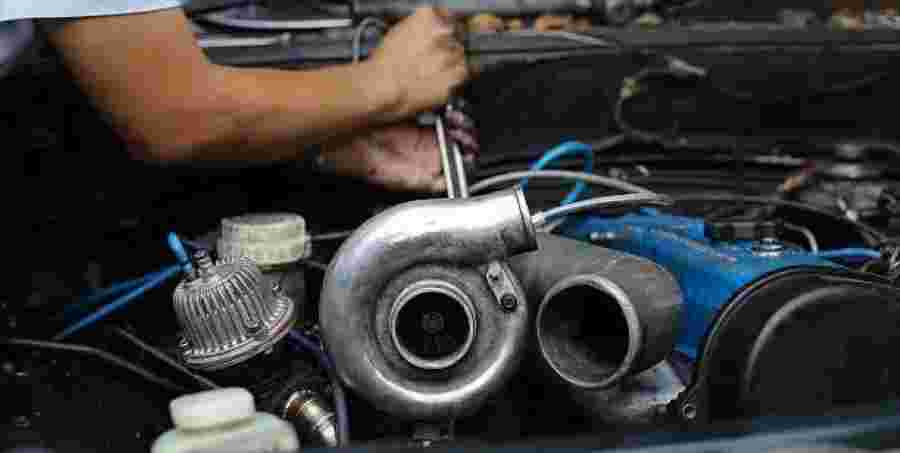
These performance boosters operate under extreme heat and pressure. Induction brazing shines in connecting the compressor and turbine housings to the center housing.
Why it wins: Its surgical precision heats only the joint area. This avoids damaging the sensitive high-temperature alloys nearby. The brazed joint forms a near-perfect seal, vital for enduring the turbocharger’s extreme conditions.
Furthermore, the fast cycle times keep up with high-volume engine production lines. No leaks, no damage, no bottlenecks.
2. Intercoolers & Radiators:
These heat exchangers are crucial for engine cooling. They’re often made of delicate aluminum or copper tubes with thin fins, connected to bulky end tanks (headers). Induction brazing is perfect for joining these thin tubes to the header plates.
Why it wins: Localized, rapid heating is key. It minimizes heat spreading to the delicate fins and thin tube walls, preventing warping or collapse that would ruin cooling efficiency.
This focus also creates a perfectly sealed joint, stopping coolant leaks before they start. Best of all, the speed of induction brazing matches the massive production volumes needed for these components.
3. Oil Coolers:
Keeping engine oil cool is non-negotiable. These coolers require leak-free connections between the tube bundle and the end plates (tube-to-header joints).
Why it wins: Leak prevention is absolutely critical here. An oil leak can be catastrophic. Induction brazing delivers consistent, high-integrity seals reliably, batch after batch.
The focused heat also avoids distorting the internal tubes, ensuring oil flows freely through the cooler for maximum efficiency. Reliability and flow, guaranteed.
4. A/C System Components:
Your car’s air conditioning relies on these heat exchangers holding refrigerant under pressure. Brazing joins the aluminum tubing connections.
Why it wins: Speed and precision are paramount. Quick, localized heating minimizes the chance of refrigerant escaping during the joining process. Careful temperature control protects the fragile heat-exchange fins from melting or deforming.
Consistent, high-quality joints made by induction brazing ensure the A/C system performs efficiently and lasts for years. Cool comfort, reliably sealed.
Transmission System
The transmission’s vital role is efficiently transferring engine power to the wheels. Induction brazing steps in here too. It’s used to create strong, durable joins on certain gearbox components like gears, shaft sleeves, or housing sections.
Why it works so well: First, the brazed joints deliver the necessary high strength to handle significant torque loads reliably. Crucially, the highly focused local heating prevents damaging heat from reaching critical areas like precision gear teeth (avoiding softening) or nearby bearings.
Finally, the exceptional process consistency ensures every joint meets spec, guaranteeing overall transmission assembly quality and long-term performance.
Chassis & Body
The chassis acts as the car’s structural framework, governing its motion, while the body safeguards passengers. Both demand extremely reliable components, and induction brazing delivers critical joins here, especially for safety systems and delicate electronics.
1. Hydraulic Line Fittings:
Think about it—your brakes and power steering rely completely on pressurized fluid flowing through metal lines. Leaks or weak joints are simply not an option. Induction brazing creates the connections for these critical metal tubes.
Why it’s essential: It produces joints with exceptional strength and leak-proof seals. This absolute reliability is non-negotiable because it directly impacts safety. The process is also fast and highly repeatable, guaranteeing dependable performance on every fitting, every time. Stopping power needs solid connections.
2. Sensor Housings:
Today’s vehicles contain numerous sensors that track everything from wheel rotation to emissions. These sensors contain delicate electronic chips inside metal housings. Joining the housing parts without frying the electronics inside is a major challenge.
Why induction brazing is often the best (or only) choice: Its super-precise, localized heating acts like microsurgery. The coil focuses intense heat only on the specific joint area of the housing.
This effectively isolates the heat, preventing damaging temperatures from reaching the sensitive internal electronics just millimeters away. Protecting these brains is crucial for the car’s smart functions.
As vehicles become smarter and more electrified, the demand for connections that protect electronics and ensure safety grows. This naturally leads us to the electrical system, where induction brazing tackles high-power challenges…
Electrical System
As cars become increasingly electrified, handling massive amounts of electricity reliably is paramount. Induction brazing steps up to the challenge, forming critical connections for high-power circuits and sensitive motor parts.
1. High-Current Busbar Connections:
Think of busbars as the heavy-duty highways for electricity inside an EV battery or power unit. Connecting these thick copper or aluminum bars demands perfection.
Why induction brazing excels: Low electrical resistance and absolute reliability are non-negotiable here. Poor connections cause heat, inefficiency, and danger. Induction brazing creates a true metallurgical bond—essentially becoming one solid piece of metal at the joint.
This delivers minimal, stable resistance, essential for efficiency and safety. Meanwhile, the process is fast, controllable, and integrates perfectly into automated battery assembly lines. Power needs a perfect path.
2. Motor Components:
Electric motors spin fast and generate heat. Joining parts like the conductive end rings to the stator lamination stack requires both strength and finesse.
Why precision matters: The copper wire windings inside are coated with thin, temperature-sensitive insulation. Too much heat damages it, causing motor failure. Induction brazing’s magic lies in its precise heat control.
It delivers intense heat exactly where needed to melt the braze alloy on the end ring, while carefully managing temperatures to protect the nearby winding insulation. The resulting joint is also incredibly strong, capable of handling the forces from high-speed rotation. Power and precision, combined.
This ability to handle both brute electrical force and delicate thermal requirements makes induction brazing indispensable for the electric future. Next, we’ll examine the hurdles and how the industry tackles them.
Other Components
Induction brazing’s versatility extends to other demanding areas of the modern car.
1. Exhaust System Components:
Connecting pipes deep within the exhaust faces heat and vibration. Induction brazing delivers robust joints that withstand demanding environments. Furthermore, its rapid heating significantly speeds up the joining process compared to other methods, boosting production efficiency on the assembly line.
2. Lightweight Structural Parts:
Using aluminum or magnesium alloys cuts weight, but joining them is tricky. Too much heat warps these materials easily. Here, induction brazing is key. Its pinpoint heat control precisely targets the joint, avoiding distortion and preserving the part’s exact shape.
The resulting connection is also impressively strong, nearly matching the strength of the surrounding metal itself. This precision is vital for safety-critical lightweight designs.
Induction brazing consistently delivers strength, precision, and speed, meeting diverse automotive needs. However, implementing it effectively does present certain challenges.
See some real applications of induction brazing.
Challenges & Solutions of Induction Brazing in Automotive Parts
Truthfully, no production method is flawless, including induction brazing. While its benefits are huge, implementing it effectively comes with some hurdles. Thankfully, the industry has developed smart ways to overcome them.
What are the challenges?
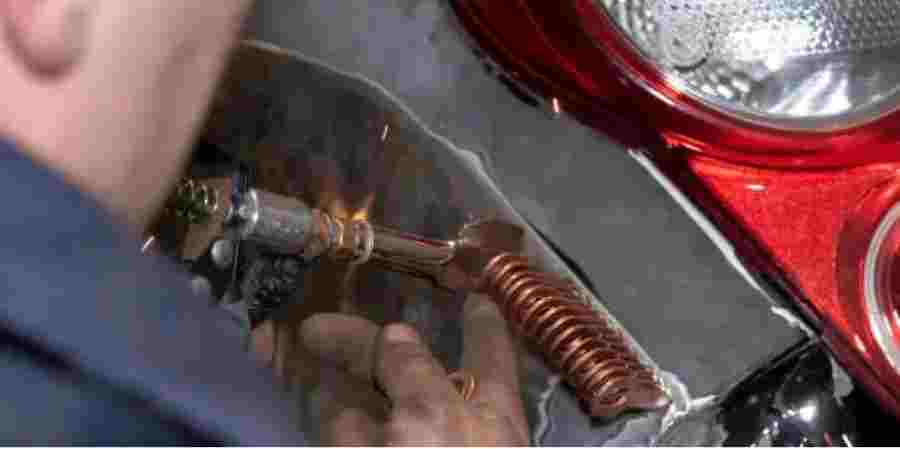
- Higher Upfront Cost: Getting started requires an investment. The induction power supplies themselves are sophisticated pieces of equipment, and designing and building the custom copper coils needed for specific parts adds to the initial price tag. This can be a barrier, especially for smaller shops.
- Coil Design Complexity: Think of the coil as the “tool” that delivers the heat. For simple, easy-to-reach joints, coils are straightforward. But car parts often have complex shapes, joints tucked away in corners, or involve assemblies with delicate components nearby. Designing a coil that heats only the target joint effectively in these situations requires real expertise and can be time-consuming.
- Material Matching Headaches: Cars use many different metals: various steels, aluminum, copper, and often parts with special coatings. Each material combination might need a specific braze alloy, potentially a flux, and unique heating parameters (power, frequency, time). Finding the perfect recipe for each new application takes careful development work.
- Demanding Process Control: Consistency is king in car manufacturing. To guarantee every single joint is perfect, you need reliable ways to monitor the process—especially the temperature right at the joint—and control it precisely. Setting this up adds complexity.
How to solve
The good news? These challenges are well understood, and proven solutions exist:
- Focus on the Bigger Picture (ROI): Yes, the initial cost is higher. But manufacturers counter this by looking at the total cost of ownership and production. Induction brazing often wins here: its speed dramatically increases output, its precision slashes scrap rates and rework, and its energy efficiency lowers operating costs. Over time, especially in high-volume car production, these savings usually outweigh the initial investment.
- Leveraging Tech & Know-How: Designing complex coils isn’t just guesswork anymore. Engineers use powerful computer simulations to virtually test coil designs and heating patterns before ever building a physical coil. This significantly reduces trial-and-error. Pairing this simulation power with experienced engineers streamlines the process.
- Building Knowledge Libraries: Companies don’t reinvent the wheel for every new part. Instead, they build internal databases (“recipes”) based on past successes. Knowing that “For Aluminum Tube X to Header Y, use Alloy Z at Power P for Time T” accelerates new process setup and ensures consistency across different production lines. Standardization is key.
- Embracing Smart Monitoring: Modern sensing technology is the answer to process control. Infrared cameras can precisely measure joint temperature in real time. Vision inspection systems verify filler metal flow and joint visual quality.
This data feeds back into the induction power supply, allowing automatic adjustments to maintain perfect conditions (closed-loop control). This tech makes achieving high quality and consistency much more reliable.
By tackling these challenges head-on with smart strategies and technology, manufacturers turn potential hurdles into manageable steps. This ensures induction brazing consistently delivers its powerful benefits—speed, precision, quality, and integration—right where the demanding automotive industry needs it most: on the high-speed production line.
Conclusion
As we’ve seen, induction brazing is far more than just a joining technique; it’s a vital enabler for modern automotive manufacturing. Its unique combination of precision heating, speed, consistency, and automation-friendliness directly addresses the industry’s relentless demands for stronger, lighter, safer, and smarter vehicles.
From turbochargers enduring extreme heat to delicate EV battery connections demanding perfect conductivity, and from safety-critical brake lines to sensor housings protecting sensitive electronics, induction brazing delivers reliable, high-quality joints where it matters most.
While challenges like initial cost and coil design exist, smart strategies–focusing on long-term ROI, leveraging simulation, building knowledge bases, and implementing advanced process control—ensure its success on high-volume lines.
Looking forward, as the push for electrification, further weight reduction, and integrated electronics intensifies, the need for precise, controllable, and efficient joining will only grow. Induction brazing is perfectly positioned to meet these evolving demands.
Companies like FOCO Induction, with their expertise in advanced induction heating equipment tailored for industrial applications like automotive brazing, provide the powerful and precise tools manufacturers need. Ultimately, induction brazing remains a foundational technology, forging the critical connections that drive automotive innovation forward.