Aluminum recycling is a game-changer for both the planet and industry. Did you know recycling aluminum saves 95% of the energy needed to produce new aluminum?
That’s a huge win for sustainability and cost efficiency. As the world pushes toward carbon neutrality, recycling aluminum isn’t just an option—it’s a must.
But traditional melting methods come with major drawbacks. High energy consumption, significant metal loss (burn-off rates), and heavy pollution from dust and toxic slag make the process far from ideal. These challenges hold back the full potential of aluminum recycling.
This blog explores how advanced melting technologies can solve these pain points. We’ll explore smarter ways to melt aluminum—cleaner and more efficient. This helps businesses cut costs, reduce waste, and meet sustainability goals.
Ready to see how modern tech is transforming aluminum recycling? Let’s get started.
Modern Melting Technology
The future of aluminum recycling lies in three key advancements: high-efficiency melting equipment, intelligent process control, and low-emission operations. Together, these innovations tackle the biggest pain points in traditional melting—energy waste, metal loss, and pollution.
By upgrading melting technology, recyclers can process more aluminum with less cost, less waste, and a smaller carbon footprint. Everything begins with the core component: the melting furnace.
Advanced Melting Furnaces
The aluminum recycling industry is undergoing a technological transformation, with advanced melting systems delivering unprecedented efficiency gains. These innovations directly address the core challenges of traditional methods—excessive energy consumption, high metal losses, and environmental pollution.
By fundamentally reengineering the melting process, these solutions are making recycled aluminum more competitive than ever against primary production.
Induction Melting Furnaces
At the forefront of this revolution are induction melting systems, which represent a quantum leap in melting technology.
Unlike conventional gas-fired furnaces that waste energy heating the surrounding environment, induction systems use electromagnetic fields to heat the aluminum directly. This creates several transformative advantages:
Energy efficiency reaches remarkable levels, with induction systems typically achieving 30-40% lower energy consumption compared to traditional furnaces. The key is their targeted heating. Gas furnaces waste over 50% of energy through exhaust and walls, while induction systems keep heat losses under 5%.
This dramatic improvement comes from the physics of electromagnetic induction, where energy transfers directly to the metal without intermediate steps.
Metal recovery rates see equally impressive gains, with oxidation losses dropping to just 3-5% compared to 8-15% in conventional systems. The closed design prevents air exposure, while precise temperature control eliminates hot spots that accelerate oxidation.
For a medium-sized recycler processing 50,000 tons annually, this difference can mean recovering an additional 2,500-5,000 tons of aluminum worth millions of dollars.
Operational advantages extend beyond energy and yield. The electromagnetic stirring effect ensures perfect alloy homogeneity without manual intervention, while melting times are cut by 50% or more.
Environmental compliance becomes simpler too—the sealed design reduces particulate emissions by 90%, helping plants meet increasingly stringent air quality regulations.
Reverberatory Furnaces
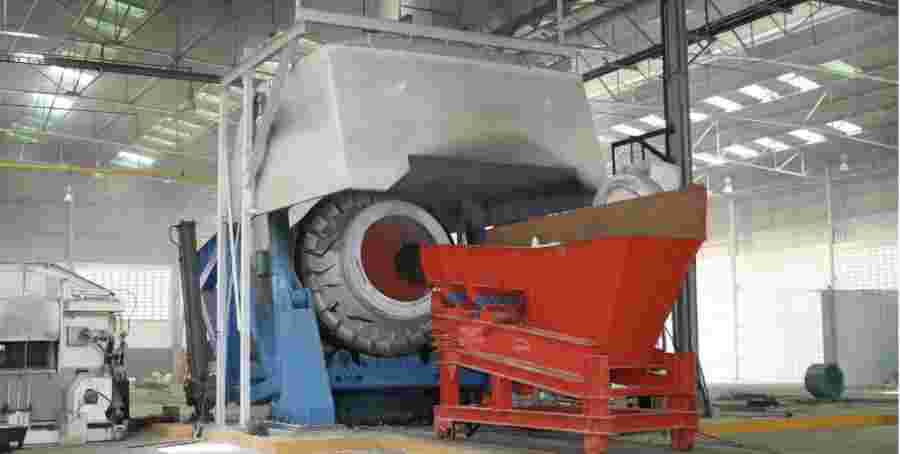
For operations handling large volumes of diverse scrap, modern reverberatory furnaces offer compelling capabilities. Their rapid start-up and instant shutdown provide unmatched operational flexibility. The latest designs incorporate several breakthrough features:
The integrated tower preheater solves one of traditional reverberatory furnaces’ biggest weaknesses—energy waste on moist or coated scrap.
These systems dry and delacquer scrap at 300-400°C before melting. This prevents steam explosions and reduces excessive fumes—common problems in conventional designs. This preprocessing step alone can reduce energy use by 15-20%.
Continuous operation capability comes from innovative sloped hearth designs that allow constant tapping while charging.
This eliminates the batch processing limitations of older furnaces, boosting throughput by 25-30%. Large capacity versions (10+ tons per cycle) make these ideal for centralized recycling facilities processing mixed post-consumer scrap.
Vacuum Induction Furnaces
For high-purity aluminum recycling, vacuum induction furnaces set a new standard. These advanced systems combine electromagnetic heating with a fully sealed, oxygen-free environment to deliver unmatched quality and efficiency.
The vacuum chamber completely removes air during melting, cutting oxidation losses to below 1%—far better than standard induction furnaces. This makes it perfect for aerospace alloys and electronics-grade aluminum where even tiny impurities can ruin performance.
Without air to absorb heat, these furnaces use 25% less power than regular induction systems. The vacuum insulation keeps heat trapped inside, maintaining stable temperatures with fewer energy spikes. Some models even recover heat from cooling cycles to preheat the next batch.
Operators can fine-tune pressure and temperature to remove every trace of hydrogen and other gases. This eliminates bubbles and defects in the final product—a common problem with traditional melting methods.
Easy Operation:
- Quick-change crucibles let workers switch between different alloys in minutes.
- Self-cleaning systems automatically remove slag without stopping production.
- Touchscreen controls make it simple to program exact melting recipes.
- Modular designs work for small labs (5 kg batches) or big factories (10+ tons).
These furnaces open new opportunities in:
- Aircraft part recycling (no strength loss)
- High-end electronics (ultra-pure wiring)
- Medical equipment (safe, clean aluminum)
For recyclers working with premium scrap, vacuum induction technology means bigger profits, less waste, and access to the most demanding customers. The higher upfront cost pays back quickly through better yields and premium pricing.
Maintenance Advantages:
- Minimal moving components versus gas furnaces
- No burners or nozzles to clog
- Automatic diagnostics warn about issues before they cause downtime
This technology is transforming how we recycle high-value aluminum, making it cleaner and more profitable than ever before.
Supporting Technologies
Supporting these core melting technologies are several critical innovations:
Multi-chamber systems address one of the most persistent sources of metal loss—thermal shock from charging cold scrap. By preheating material to 400-500°C in a separate chamber before final melting, these systems reduce oxidation losses by an additional 10%. The economic impact is substantial—for every 100 tons of scrap processed, operators gain an extra 1-1.5 tons of saleable aluminum.
Waste heat recovery units capture the enormous thermal energy (600-800°C) in exhaust gases that would otherwise be wasted. Modern heat exchangers can recover up to 60% of this energy, typically providing 15-20% reductions in overall furnace energy demand. The recovered heat can preheat combustion air, dry incoming scrap, or even generate steam for plant use.
Together, these technologies are redefining what’s possible in aluminum recycling economics. Energy needs are dropping toward 500 kWh/ton (from 700+).
Metal yields are now near 95% (up from 85%), and environmental impacts are shrinking. This makes recycled aluminum the clear choice—for both cost savings and sustainability.
Smart Control for Aluminum Recycling
Modern aluminum recycling thrives on smart control systems that boost efficiency and metal quality. Let’s break down how these systems work with two key furnaces: induction melting furnaces and reverberatory furnaces.
Induction furnaces excel thanks to their built-in electromagnetic stirring. The magnetic field naturally blends the molten aluminum, guaranteeing uniform mixing with no human input needed.
Meanwhile, real-time temperature sensors keep heat precise (±5°C), slashing oxidation losses. Here’s the kicker: embedded spectrometers analyze alloy composition in seconds. If impurities spike, the system triggers automated slag removal, preventing downgrades.
Reverberatory furnaces also benefit from smart upgrades. Their fast melt cycles (5–10 minutes) pair with adaptive flame control.
Sensors monitor exhaust gases to optimize fuel use, cutting energy waste. Plus, integrated scrap preheating (300–400°C in the tower section) ensures consistent feed quality before melting.
For both furnace types, automation is key. AI-driven algorithms adjust parameters like power output or burner intensity based on real-time data. No more uncertainty—just streamlined processes and better output.
But smart control goes beyond just melting. Data integration links furnace performance with upstream sorting and downstream casting.
For example, if a spectrometer detects too much silicon in the melt, the system can automatically tweak the next charge’s scrap mix. This closed-loop approach minimizes trial-and-error.
Maintenance also gets smarter. Vibration sensors and thermal imaging predict wear and tear before breakdowns happen. Induction furnaces require minimal maintenance due to their simple mechanical design.
Reverberatory furnaces, though more complex, now use self-cleaning burner nozzles and automated refractory checks.
The bottom line? Smart controls turn melting into a seamless, high-precision process. Induction furnaces excel in clean, controlled environments, while reverberatory units leverage speed and scalability.
Together, with real-time adjustments and predictive maintenance, they’re redefining aluminum recycling—one optimized melt at a time.
Looking ahead, these systems will only get sharper. Imagine machine learning that remembers every melt’s “perfect recipe” or wireless sensors floating in molten aluminum. The evolution of recycling transforms from simple melting to intelligent material handling.
Green Tech for Eco-Friendly Aluminum Recycling
The aluminum industry is going green, and modern melting technologies are leading the charge. Induction furnaces and reverberatory furnaces now offer cleaner, more sustainable ways to recycle aluminum. This brings serious benefits for both the planet and profits.
First up: clean energy switching. Induction furnaces have a clear edge here—they run entirely on electricity, making them perfect partners for solar or wind power. No more fossil fuel dependency!
Reverberatory furnaces are catching up too, with options to blend hydrogen into natural gas, cutting CO₂ emissions by up to 30%.
Next, low-temperature melting is a game-changer. Induction furnaces, with their pinpoint temperature control, can melt aluminum at just 600°C—way below the traditional 750°C+ requirement.
That means 15% less energy per batch. Reverberatory furnaces also benefit here—their efficient heat recovery systems reuse waste gases to preheat scrap, trimming another 10% off energy use.
Pollution control gets smarter too. Induction furnaces win with their fully sealed design—zero smoke leaks and 90% less dust compared to old-school setups.
Plus, their low oxidation rates (<5% metal loss) mean far less toxic aluminum dross to dispose of. Reverberatory furnaces aren’t far behind—advanced afterburners now neutralize harmful fumes before they even leave the stack.
The bottom line? Whether it’s an electric-powered induction furnace or a hydrogen-ready reverberatory model, today’s green tech slashes emissions while boosting metal recovery.
For recyclers, that means lower costs, fewer environmental headaches, and a clear path to meet carbon targets. The future of aluminum isn’t just recycled—it’s responsibly reborn.
Integrated Recycling Systems: Beyond Just Melting
Aluminum recycling isn’t just about melting—it’s a full-system game. To maximize output and sustainability, smart pre-treatment upgrades and innovative recycling models are now essential. Here’s how they work hand-in-hand with modern furnaces.
Smarter Aluminum Scrap Pre-Treatment
Modern sorting and cleaning systems transform scrap quality long before melting begins.
Intelligent Sorting
Gone are the days of manual scrap picking. Today, eddy current separators zip through mixed waste, ejecting non-aluminum metals at high speed.
These machines use magnetic fields to identify and separate copper, zinc, and other contaminants—boosting purity to over 98%.
The result? Cleaner melts, fewer refining steps, and higher-quality recycled aluminum.
Eco-Friendly Coating Removal
Old paint and lacquer on scrap used to mean toxic fumes during melting. Now, low-temperature baking (300-400°C) + mechanical stripping gets rid of coatings without burning them.
This cuts harmful emissions and prevents slag buildup in furnaces. Bonus: The stripped coatings can often be recycled too, making the process nearly waste-free.
Closed-Loop Aluminum Recycling
Why melt aluminum twice when you can send it straight to the next factory?
Direct Molten Aluminum Transfer
Instead of casting recycled aluminum into ingots (which later need remelting), some plants now pipe liquid aluminum straight to nearby manufacturers.
This “hot metal” approach slashes energy use by up to 50% since the metal never cools down. Induction furnaces excel here—their precise temperature control keeps the aluminum perfectly molten for transport.
Regional Recycling Hubs
More factories are clustering around smelters to cut transport needs. A reverberatory furnace melts scrap at a central hub, then trucks or railcars with insulated ladles deliver the liquid aluminum to nearby car part or can makers. Less handling, less waste, and a smaller carbon footprint.
When pre-treatment and smart logistics team up with advanced melting, the benefits multiply:
- Higher metal recovery (less loss from impurities)
- Lower energy bills (no double-melting, better scrap prep)
- Fewer emissions (cleaner melts, shorter transport)
The future? Even tighter integration. Imagine AI-powered scrap analysis that tweaks furnace settings before melting begins—or self-learning sorting robots that adapt to new scrap types on the fly.
One thing’s clear: In modern aluminum recycling, every step matters. From the first scrap sort to the final molten pour, smarter support tech ensures nothing goes to waste.
Conclusion
In summary, advanced melting technologies are transforming aluminum recycling. These innovations solve key challenges like high energy use, metal loss, and pollution.
Induction furnaces offer precise, efficient melting with minimal waste. Reverberatory furnaces process massive quantities while reducing pollution output. Vacuum induction systems deliver ultra-pure aluminum for high-end applications.
Smart controls optimize every step, from temperature regulation to alloy composition. Green tech like clean energy and low-temperature melting further reduces environmental impact.
Supporting upgrades—such as intelligent scrap sorting and closed-loop recycling—boost efficiency even more.
Together, these advancements make recycled aluminum more sustainable and cost-effective than ever. The industry is shifting toward cleaner, smarter, and more profitable operations.
As part of this evolution, FOCO Induction provides reliable induction melting solutions that align with these modern recycling standards—helping businesses achieve efficiency and sustainability goals.