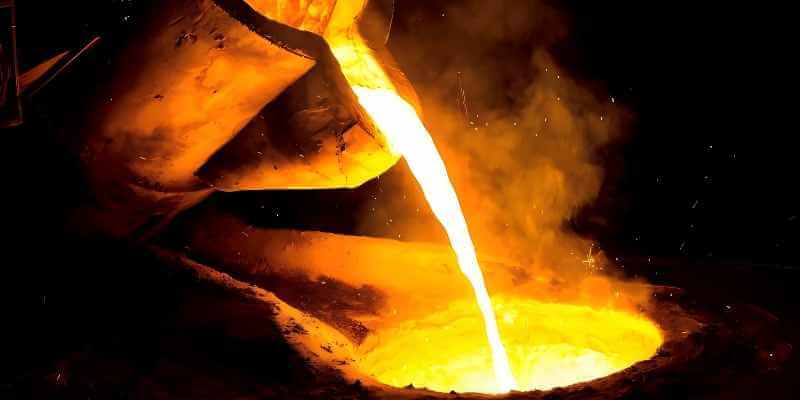
Copper brazing crucially creates strong, leak-proof joints for pipes in HVAC, refrigeration, and plumbing. However, safety and efficiency go hand-in-hand here.
Cutting corners risks serious burns, toxic fumes, fires, or worse–failed joints that leak or break later. That’s why prioritizing safety isn’t optional; it’s essential for getting things right the first time and working effectively.
Therefore, this guide aims to help you braze copper pipes safely and successfully. We’ll cover core safety principles, key preparation steps, and essential tool tips. So you can build reliable seals efficiently while protecting yourself and your work.
Universal Copper Brazing Prep Checklist
The tools you use for brazing matter, but they won’t compensate for poor preparation. Skipping fundamental groundwork leads to weak joints, dangerous accidents, or frustrating rework.
Therefore, always prioritize these core steps first. Heating equipment differences don’t change these necessities. Let’s explore the must-dos for safety, cleanliness, and setup.
Copper Brazing Workplace safety
Safety starts with your environment. Good ventilation isn’t just nice; it’s non-negotiable. Flux and combustion gases generate fumes during brazing. Next, ensure fresh air flow constantly using fans, open doors, or forced ventilation systems. Stale air is a hidden health risk.
Equally critical is fire prevention. Scan your immediate work area completely. Then, meticulously remove flammable hazards: grease rags, solvents, cardboard, and wood scraps.
Have firefighting tools instantly at hand—a suitable fire extinguisher and a bucket of sand or wet towels are the absolute minimum. Finally, ensure your work surface itself is sturdy and stable. A shaky table and hot metal don’t mix.
Personal Protective Equipment (PPE)
Your Personal Protective Equipment (PPE) is your essential shield. Start by protecting your most valuable assets—your eyes. Always wear approved safety glasses. Better still, use a full-face shield. These guard against intense light, toxic fumes, and tiny, fiery splashes of molten metal.
Next, shield your hands from extreme heat. Don’t rely on regular work gloves. Invest in dedicated, high-quality, heat-resistant leather welding or brazing gloves.
Similarly, protect your skin and body. Avoid synthetic clothing, which melts easily onto skin during sparks. Instead, choose natural fiber workwear, like thick cotton, or ideally, certified flame-resistant (FR) coveralls. Sturdy, leather-topped safety boots complete your essential armor.
Furthermore, in confined spaces or poorly ventilated areas, respiratory protection becomes vital. Use an NIOSH-approved P100 particulate respirator or a proper supplied-air system.
Surface Treatment
Here, surface prep reigns supreme. Forget shortcuts; thorough cleaning determines joint integrity. Grease, oxidation, and dirt are your number one enemies. They cause weak bonds (lack of fusion), trapped gas (porosity), and disastrous leaks later.
Consequently, meticulously scrub the pipe end (both outside and inside) and the fitting socket using abrasives designed for brazing prep. Clean green scouring pads or specific brazing sandcloth/cloth work best.
Critically, never use standard sandpaper—its loose grit embeds into the copper and causes leaks later. After abrasion, wipe joints clean with a fresh rag to remove debris.
Finally, ensure the joint surfaces are bone dry. Even a little moisture turns to steam during heating and ruins the joint.
Choose & Apply Filler & Flux Wisely
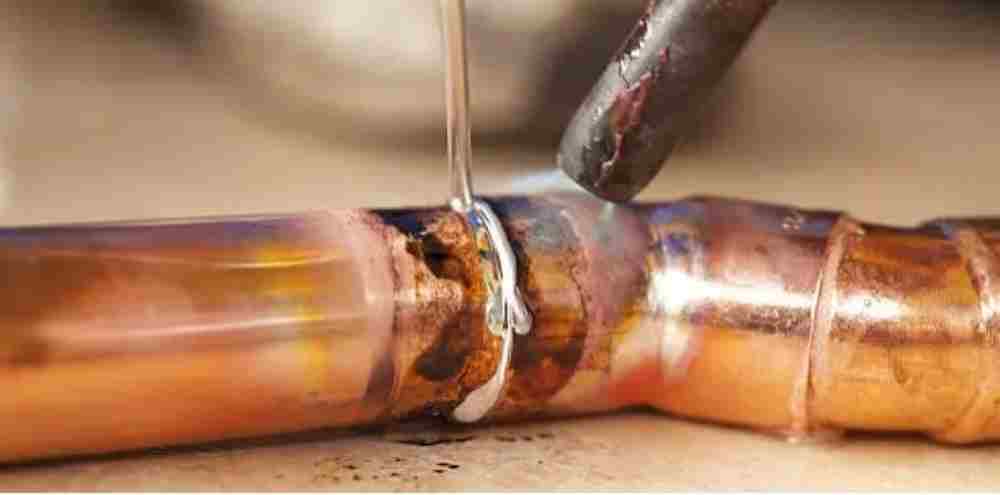
Start by choosing the correct brazing filler metal (like BCuP or BAg) based on your job’s strength, corrosion resistance, temperature needs, and codes. Know its melting range.
Next, pick a copper-specific flux compatible with your filler; its activation temperature must match the filler’s melt point. Always spread flux thinly and evenly on the prepared pipe exterior—never apply inside pipes or sockets.
Braze immediately after applying flux to prevent moisture absorption and loss of effectiveness. Remember, excess flux causes brittle slag trapped in the joint. Less is truly more.
Assemble & Secure for Success
Before any heat touches the metal, assemble your pipes and fittings correctly. Proper alignment is key. Then, securely hold them in place. Misaligned pipes ruin capillary flow. Use clamps or fixtures to prevent any movement during the critical heating and cooling phases.
However, ensure any holding device isn’t acting like an unwanted heat sink nearby—drawing crucial warmth away from the joint area itself.
With these universal foundations covered, you’re finally ready to consider the specifics of your heating tool. This preparation sets the stage for the precise flame work needed to create strong, lasting, leak-free copper joints. Now, let’s explore the key considerations for your chosen heat source.
Essential Safety Notes for Key Brazing Tools
While core safety prep applies universally, each copper brazing method–Torch, Induction, Controlled Atmosphere/Furnace, and Other Tools like heating blankets or resistance units—demands specific precautions. Understanding these unique risks and requirements is vital for safe, effective operation.
Torch Brazing
While essential preparation remains critical, flame control defines torch brazing success. Using oxygen-fuel gas (like acetylene or propane) offers flexibility but demands specific techniques. Let’s cover the core precautions.
Master Gas Safety
Before lighting, always check hoses and connections for leaks using soapy water. Then, follow the strict ignition sequence: open fuel slightly, ignite immediately, then slowly add oxygen. Avoid the reverse order!
Similarly, for shutdown: close oxygen first, then shut off fuel completely. Use proper striker lighters only. Install flashback arrestors on both gas lines for vital protection.
If you hear a popping sound (backfire) or see flames burning inside the torch (flashback), react instantly: close the fuel valve immediately.
Control Flame Precisely
Aim consistently for a clean neutral flame or slightly carburizing flame. Skip oxidizing flames (they oxidize copper) and strong carburizing flames (they cause soot). Adjust the flame size constantly: use a smaller, focused flame for small fittings and a broader feather for larger joints.
Heat Application is Key
Focus the main flame primarily on the fitting body near the socket opening; heat conduction then warms the pipe end sufficiently. Never aim the flame directly at the filler rod or bare flux coating—they will burn off.
Watch the metal’s color change: heat until it reaches a dark cherry red, signaling readiness. Simultaneously, the flux should turn clear and fluid. Apply filler metal only when the base metal is hot enough to melt it instantly via capillary action.
Crucially, prevent overheating (shown by a bright red/orange glow): it weakens copper, especially thin-wall tubes.
Manage Wind Outdoors
Wind disrupts flame stability and dissipates heat rapidly, making heating uneven. Therefore, when working outside, position yourself (or a barrier) to block the wind.
Set up simple windbreaks if possible. Remember, position yourself upwind of your work. This simple trick ensures consistent heat application where you need it most.
Induction Brazing Copper
Induction brazing uses high-frequency electricity to heat copper joints directly, offering speed, precision, and minimal heat spread. However, its unique technology demands specific safety and setup steps.
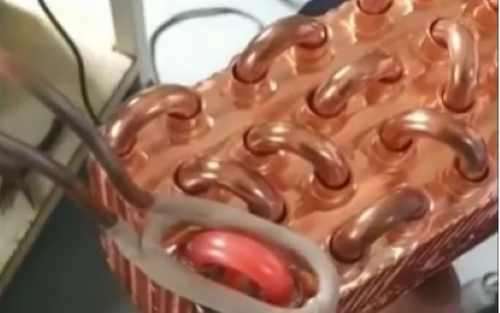
Electromagnetic Hazards
The strong EM field near the live coil poses significant risks. Therefore, always keep your hands, body parts, and all metal objects (especially rings, watches, and tools) well clear during operation.
Metal objects will heat up rapidly, causing instant burns. Even gloves with metal parts can be dangerous. Critically, absolutely forbid anyone with pacemakers or other implanted electronic medical devices from approaching—the EM field can interfere dangerously.
Coil Setup
Select or design a coil matching the joint’s exact size and shape. Precise positioning relative to the joint gap is essential; misalignment wastes energy and heats the wrong spot. Consequently, always ensure the coil focuses heat intensely only on the intended brazing area.
Heat Control
Induction heating is fast and powerful. Use precise settings for time, power, and frequency. Overheating weakens copper just like torch methods. Watch the metal’s color change carefully. For better accuracy, use an infrared thermometer to monitor the actual joint temperature.
Choose Non-conductive Fixtures
Standard metal clamps become red-hot instantly. Instead, use ceramic, specialized high-temp plastics, or uniquely designed non-metallic holders. Ensure they securely hold the assembly without movement.
Maintain Equipment
Regularly inspect the generator, water cooling lines (if used), cables, and coil connections. Check for secure fittings, leaks, or damage. Consistent maintenance prevents unexpected failures during operation.
Controlled Atmosphere Brazing / Furnace Brazing
This method brazes copper parts inside a sealed chamber filled with special gases (like Nitrogen, Argon, or Hydrogen mixtures), ensuring clean, oxidation-free joints. However, the sealed environment demands strict discipline.
Gas
Hydrogen mixtures carry explosion risks. Therefore, ensure excellent workshop ventilation and use mandatory hydrogen detectors with alarms.
Rigorously purge air before introducing any process gas: first exhaust air, then flood with inert gas, then add working atmosphere. Eliminate all ignition sources near the furnace!
Additionally, inert gases pose suffocation dangers if they leak. Consequently, install oxygen monitors in the workspace.
Furnace Integrity
Check door seals and gas lines constantly for leaks. Maintain the recommended slight positive pressure inside. Any leak ruins joints by letting air in.
Cleanliness
Ensure all furnace components are perfectly clean and completely dry before loading. Contaminants like oil or moisture vaporize inside, creating carbon deposits or oxidation on your copper. Execute comprehensive cleaning (degreasing and ultrasonic treatment) with complete drying afterward.
Meticulous Setup
Precisely position brazing filler material (rings, preforms, paste) beforehand. Use fixtures made from high-temperature ceramics or special alloys that won’t react with the atmosphere. These fixtures must hold components perfectly still throughout the cycle.
Control the heating profile
Program and closely monitor temperature phases: ramp-up speed, target brazing temperature, hold time, and cool-down rate. Precise control ensures proper filler flow and prevents overheating damage.
Cool under protection
Only open the furnace after parts cool sufficiently (<150°C) inside the inert atmosphere. Premature exposure to air causes discoloration and oxidation.
Precautions for Other Tools
While torches, induction, and furnaces handle major heating, reliable brazing often involves crucial supporting tools like flexible heaters, resistance rigs, and temperature sensors. Don’t underestimate their importance!
Proper setup and handling of these items are vital for safety, accuracy, and achieving consistent, high-quality copper joints. Let’s explore the key precautions for each.
Heating Blankets: First, strictly follow manufacturer specs for voltage, current, and max temperature. Ensure the blanket fits snugly without sharp bends to prevent hot spots. Wrap insulation around it to boost efficiency safely, keeping it away from flammables. Regularly check cables and thermocouples for damage.
Resistance Brazing: Next, achieve excellent electrode-to-pipe contact–clean surfaces are crucial to prevent arcing and uneven heating. Carefully control current and timing to avoid localized overheating and pipe damage. Always prioritize electrical safety: ensure proper grounding and dry conditions.
Thermocouples: Finally, place the sensor tip precisely at the joint’s critical point. Protect the delicate wires from heat sources, sharp edges, and interference. Regularly calibrate or replace thermocouples to guarantee accurate readings; incorrect temperatures ruin joints.
With your support tools correctly prepped and monitored, you’re ready to focus on the core brazing technique itself.
Post-Braze Inspection
A perfect-looking joint isn’t automatically perfect. Critical post-braze inspections verify joint integrity for lasting performance. Don’t skip this crucial phase!
1. Flux residue cleaning
After the joint cools completely, cleaning becomes urgent. Why? Leftover flux is highly corrosive and actively attacks copper pipes. Therefore, scrub the joint area vigorously using hot water and a stiff-bristle brush. For tough residues, apply a dedicated brazing flux remover as directed.
Rinse thoroughly with clean water afterward. Finally, wipe dry. Never leave cleaning for later—corrosion starts quickly.
2. Visual inspection
Carefully examine every part of the joint under good light. Look closely for these key quality indicators:
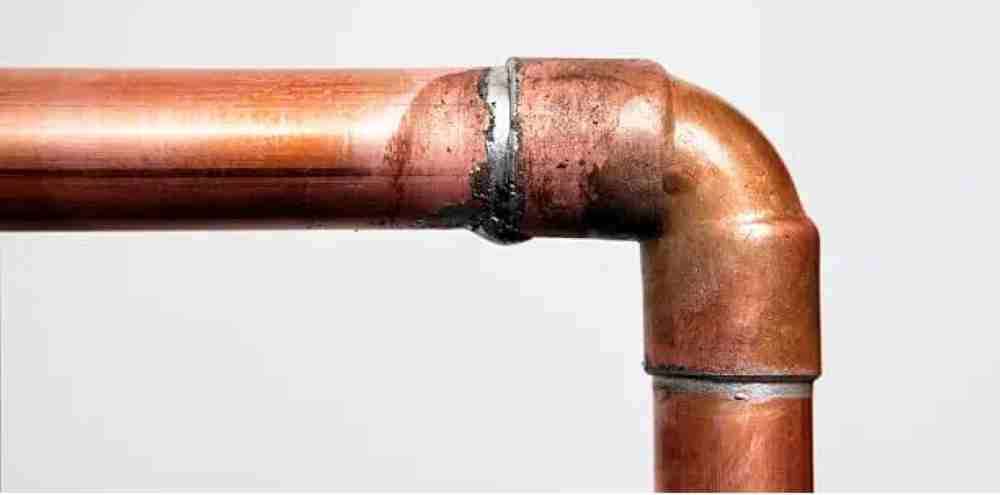
The Fillet: It should be continuous, smooth, evenly rounded, and fully surround the fitting socket. Avoid sharp edges or gaps.
Defects: Absolutely no cracks, large visible holes (porosity), deep grooves where the base metal melted away (undercut), or burn-through spots (especially on thin pipe).
Filler Metal: Check it flowed neatly, forming the fillet without excessive blobs or sagging.
3. Leak test
Then, confirm it holds pressure. Visual checks aren’t enough. You must perform a leak test based on your system’s requirements and relevant safety codes. This typically involves pneumatic (air/nitrogen) or hydrostatic (water) testing. Follow the test procedure precisely!
Gradually increase pressure to the specified level, hold it for the required time, and carefully check for any pressure drop or signs of leakage using approved methods (soap solution for gas, visual check for water).
Safety Note: Strictly adhere to pressure test safety protocols—pressurized systems can be extremely dangerous if mishandled.
4. NDT methods
Finally, consider advanced checks if needed. For critical applications (like high-pressure refrigeration, medical gas lines, or aerospace), standard checks might not suffice.
Non-Destructive Testing (NDT) methods like Radiography (X-ray), Ultrasonic Testing, or Dye Penetrant Inspection can reveal hidden internal flaws like voids or incomplete fusion. Consult relevant standards or an engineer to decide if NDT is necessary.
By meticulously cleaning, inspecting visually, pressure testing, and employing advanced NDT when warranted, you guarantee your brazed copper joints are truly safe, leak-free, and built to last. This final verification is the essential seal of quality.
Conclusion
Safety is your absolute foundation throughout every brazing step. Ignoring it risks everything. Next, realize that details truly matter: perfect cleaning, gap control, precise heating, and careful post-braze checks are non-negotiable for strong, leak-free joints. Don’t rush the basics.
Furthermore, while tools vary (torch, induction, furnace), the core principles remain constant: cleanliness, heat control, and proper cooling. Master your chosen tool’s specifics. Therefore, commit to ongoing learning—study standards, practice techniques, and analyze every result to truly become safe and efficient.
For induction brazing, consider reliable equipment like FOCO Induction. Their systems offer excellent control, repeatability, and focused heat, helping achieve consistent, high-quality results when precision is key.
So, use the knowledge here. Prepare thoroughly, work carefully, and inspect meticulously. You have the power to braze copper pipes safely, confidently, and to the highest standard. Go build something great!