Induction melting steel isn’t just another industrial process—it’s quickly becoming the eco-friendly hero of modern steel making. Right now, the global steel industry faces a tough challenge: balancing massive energy demands with urgent carbon reduction goals.
Traditional methods, like blast furnaces and electric arc furnaces, guzzle energy and spew emissions. But here’s the good news: the industry’s push toward greener, smarter production is turning induction melting from a niche player into a star.
So, what’s driving this shift? For starters, induction melting slashes energy waste, cuts emissions, and plays nicely with renewable power. What’s more, it revolutionizes how we recycle scrap steel effectively.
In this blog, we’ll break down how this tech works, why it’s cleaner, and what’s fueling its rise—along with the hurdles it still needs to clear. Ready to explore the future of steel? Let’s dive in.
Induction Melting Technology
At its core, induction melting steel is like magic—but with science. Here’s the simple version: When you pass high-frequency alternating current through a copper coil, it creates a powerful electromagnetic field.
Place metal inside that field, and there you have it—the resistance inside the metal generates intense heat (called Joule heating) without any direct contact. No flames, no fumes, just clean, efficient melting.
Why does this matter? Let’s break it down:
First, precise temperature control. Unlike traditional furnaces that can scorch metal or leave cold spots, induction heating delivers even temperatures throughout the melt. That means less wasted material and fewer defects from uneven mixing—critical for high-performance alloys and aerospace-grade steel.
Next, high energy efficiency. While arc furnaces lose heat to the air and gas furnaces waste energy up the chimney, induction systems convert over 90% of electrical power directly into heat. Reduced waste translates to cost savings and a diminished environmental impact.
Then there’s speed and flexibility. Forget hours of preheating—induction furnaces fire up instantly and adjust temperatures on the fly. Want to change from stainless to a special alloy? No problem. This makes it perfect for small-batch production or urgent orders.
But the real headline? It’s a green game-changer. Without burning fossil fuels, induction melting cuts toxic emissions (like NOx and SOx) to near zero. Even dust pollution drops dramatically.
Additionally, the electromagnetic stirring effect removes contaminants, producing exceptionally pure metal—perfect for medical implants or high-precision casting applications.
Finally, scrap loves induction. It melts recycled metal faster and more efficiently than other methods, making it a superstar for the circular economy.
In short, induction melting isn’t just smarter steel making—it’s the future. Up next, we’ll explore how these advantages translate into real-world environmental benefits.
Environmental Advantages of Induction Melting Steel
Steel production is undergoing a quiet revolution, and induction melting technology is at the heart of this transformation. Steel has traditionally been one of the more environmentally challenging materials to produce.
However, induction melting is now changing the game with key advantages that make it different. These benefits position it as the most sustainable option available today.
1. High Energy Efficiency
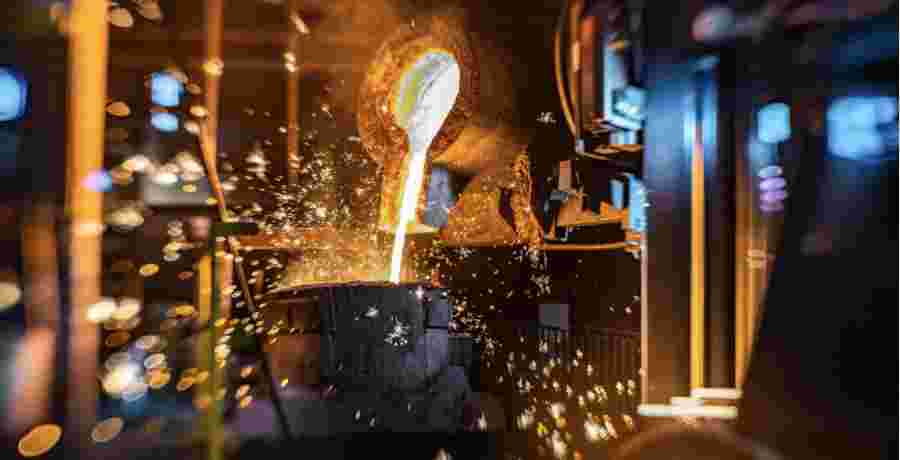
Induction melting transforms how we melt steel by using electromagnetic fields to heat metal directly. While old techniques rely on fuel burning or electric arcs, induction heating loses minimal energy.
When melting iron in a blast furnace, much of the heat escapes into the air or heats the furnace walls instead of the metal. Induction solves this—its magnetic fields penetrate the iron, making heat form inside the metal itself. This means no wasted heat, just fast, precise melting.
Melting a ton of steel takes 400-500 kWh in arc furnaces, while induction uses just 300-350 kWh. That’s 20–30% less energy for the same result. For iron melting, the savings are even bigger because induction avoids the long preheating needed in cupolas or blast furnaces.
Speed is another advantage. Induction melts steel in minutes, not hours. Faster melting means less energy lost over time. A foundry can run more batches per day while using less power overall.
For industries shifting to cleaner production, induction is the clear choice—it melts metal faster, smarter, and with far less energy waste than old furnace technologies.
2. Near-Zero Exhaust Emissions
Entering a conventional steel mill, one is instantly met with thick, smoky air and the acrid scent of burning fuel. Now imagine a facility where none of that exists—that’s what induction melting delivers.
Without any combustion taking place, all those nasty byproducts like nitrogen oxides (the main component of smog) and sulfur oxides (responsible for acid rain) simply don’t form in the first place.
The difference isn’t just theoretical. Workers in induction melting facilities don’t need the heavy-duty respirators required in conventional foundries. Nearby communities don’t have to worry about plumes of smoke drifting over their neighborhoods.
And plant operators don’t need to install and maintain complex pollution control equipment that can cost millions of dollars. It’s a cleaner solution from every angle—for workers, for communities, and for the environment.
3. Improved Steel Scrap Utilization
Here’s something that might surprise you: Steel is actually the most recycled material on earth. And induction melting is making this recycling process even better.
The technology has a particular talent for handling scrap metal. It melts material quickly while preserving valuable alloying elements, transforming what would otherwise be waste into high-quality steel.
Think about this: recycling one ton of scrap steel in induction furnaces preserves 1.5 tons of iron ore and 500 kg of coal. Plus, it avoids nearly 2 tons of CO2 emissions compared to making new steel from scratch.
That’s like taking a small car off the road for six months for every ton of steel produced. As cities generate more and more scrap metal, induction melting gives us a way to turn this “urban mine” into high-quality steel with minimal environmental impact.
What makes this even more exciting is how induction melting enables smaller-scale, localized recycling operations. Gone are the days of shipping scrap halfway around the world to massive centralized plants.
Today, we can establish efficient, clean melting facilities right where scrap is created. This means fewer transportation emissions and more resilient local supply chains.
4. Reduced Waste and Slag
Induction melting cuts down waste dramatically compared to traditional iron and steel melting methods. In blast furnaces and electric arc furnaces, 10-15% of the material turns into slag—a useless byproduct that needs disposal. Induction furnaces cut waste to 1-3%, turning nearly all raw material into usable metal.
Less slag doesn’t just mean lower landfill costs—it also means less environmental harm. Regular slag carries dangerous metals and chemicals that pollute earth and streams. Induction melting avoids this problem by producing minimal waste in the first place.
The process also keeps the metal cleaner. Because induction heats metal so precisely, fewer impurities mix in during melting. That means less rework, fewer defects, and higher-quality castings right from the first pour. Factories save money on material costs while reducing scrap rates.
For foundries looking to go greener, induction melting is the smarter choice—it wastes less, pollutes less, and delivers better metal every time.
5. Save Water
Conventional steel production consumes massive quantities of water. Blast furnaces and electric arc furnaces rely on water-cooling systems that consume thousands of gallons daily. But induction melting flips the script—it dramatically reduces water demand.
Here’s why this matters:
First, induction furnaces primarily use highly efficient closed-loop cooling systems instead of constantly pumping fresh water. This typically slashes net water consumption by well over 90% compared to conventional methods.
Second, since there’s no combustion, induction avoids generating toxic wastewater from gas scrubbing or slag quenching—a major pollution source in old-school foundries.
For factories in drought-prone areas, this is transformative. Radically less net water use means lower costs and minimal risk of contaminating local supplies. As global water scarcity worsens, induction melting allows production with vastly reduced water impact.
In conclusion, induction technology doesn’t just save energy—it radically conserves one of our planet’s most precious resources: clean water.
Learn cooling systems for induction melting furnaces.
6. Quieter and Cleaner Workplaces
Enter an old-school steel plant, and you encounter loud furnaces with intense heat. Induction melting changes all that. Since it uses electromagnetic fields instead of burning fuel, the process runs noticeably quieter—like switching from a diesel truck to an electric vehicle.
The noise reduction isn’t just about comfort. Prolonged exposure to industrial noise causes hearing damage, but induction systems let workers avoid constant ear protection. Nearby neighborhoods benefit too—no more rumbling furnaces keeping residents awake at night.
Thermal pollution also drops dramatically. Old furnaces waste heat into the air, turning factories into saunas. Induction keeps heat focused only where it’s needed, cutting ambient temperatures by 15-20°C. Workers stay cooler, and facilities spend less on ventilation.
The result? Healthier employees, happier communities, and factories that finally coexist peacefully with their surroundings. Induction melting proves heavy industry doesn’t have to be loud or oppressive anymore.
Looking at the big picture, induction melting delivers essential materials without environmental trade-offs. But these advantages alone don’t explain its rapid momentum.
Several concrete factors are accelerating adoption right now. From tightening regulations to renewable energy advances, five key drivers make this technology increasingly compelling for steelmakers.
Understanding these forces—which we’ll explore next—is crucial for stakeholders as induction melting shifts from niche solution to mainstream priority in the evolving steel landscape.
See the application of FOCO Induction furnaces-Induction Melting Steel 600 kg.
Five Drivers Accelerating Induction Melting Steel
Five key factors are driving induction melting’s growing popularity in steel manufacturing. These drivers transform environmental benefits into compelling business advantages.
1. “Dual-Carbon” Policies
Governments worldwide are turning up the heat on emissions. Stricter carbon regulations like the EU’s CBAM carbon tariffs and China’s expanding carbon market make traditional steelmaking increasingly costly.
But here’s the flip side: governments are also offering carrots alongside sticks. Subsidies, tax breaks, and green procurement programs reward manufacturers adopting low-carbon technologies like induction melting.
Meanwhile, ESG pressures add significant fuel to the fire. Investors increasingly demand detailed sustainability disclosures.
Simultaneously, major automakers and construction firms now require greener supply chains. Together, these forces transform induction melting from an optional upgrade into a competitive necessity
2. Energy Transition
The global energy shift plays directly into induction’s strengths. Electricity prices are becoming more stable compared to volatile fossil fuels, especially where green power access exists.
This stability matters: when your energy costs can swing 30% monthly with coal or gas, predictable electricity rates offer serious budgeting advantages. Induction’s electrical nature also means it automatically cleans up as grids transition to renewables.
Consider this: Solar-powered induction furnaces already deliver 80% lower emissions than gas-fueled alternatives. Better yet, this emissions gap keeps widening each year as global wind and solar capacity expands.
3. Steel Scrap Availability and Quality Upgrades
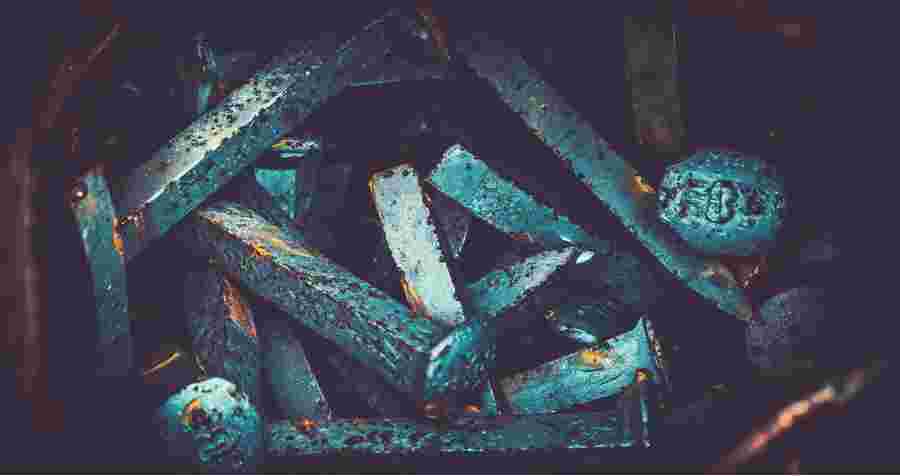
Urban mining is hitting its stride. Global steel stockpiles now exceed 80 billion tons, driving scrap generation up 5% annually. But crucially, quality is improving too. AI-powered sorting systems and shredder innovations now deliver cleaner, more consistent scrap ideal for induction furnaces.
This dual trend unlocks a powerful synergy: abundant raw materials meet precision melting technology, making circular production models economically viable. For mid-sized foundries, this means slashing raw material costs by 15-25% while meeting recycled-content mandates.
2. Demand for Special Steels
High-tech manufacturing is rewriting the rules. Electric vehicles demand ultra-pure electrical steels. Meanwhile, medical implants need zero-inclusion alloys, and aerospace requires perfect crystalline structures. Crucially, induction melting outperforms alternatives in all three precision-critical domains.
Temperature deviations below 5°C and electromagnetic stirring ensure homogeneity that traditional furnaces can’t match. Equally important is production flexibility: induction furnaces switch alloys in minutes, enabling profitable micro-batches (as small as 500 kg) for niche applications.
3. Technological Advancements
Modern induction systems are engineering marvels. High-frequency power supplies achieve >95% electrical efficiency, while IoT sensors and adaptive algorithms optimize melt cycles in real-time.
As global installations grow 12% annually, economies of scale continue driving down upfront costs—making the technology accessible even for smaller operations.
These five drivers create unprecedented momentum for induction melting. Yet despite these powerful tailwinds, manufacturers still face practical implementation hurdles. As we’ll explore next, addressing these challenges head-on is key to unlocking the technology’s full potential.
Challenges of Induction Melting Steel
While induction melting offers sustainability benefits for steel production, it also faces several practical challenges. Let’s break down the key obstacles:
- High Initial Investment Costs
Induction furnaces require a larger upfront investment compared to traditional furnaces of the same capacity. The advanced technology and specialized components drive up equipment costs.
Additionally, installation and setup expenses can be significant, making it harder for smaller producers to adopt this method.
- Power Demand
Induction melting relies heavily on electricity, meaning facilities need a robust and stable power supply. In regions with unreliable grids, this can cause operational disruptions.
However, this challenge also creates opportunities—integrating renewable energy sources like solar or wind can make the process cleaner while improving energy independence.
- Material Adaptability Issues
The process works best with clean, properly sized scrap steel. Contaminants like oil, coatings, or mixed metals can reduce efficiency and affect final product quality.
Large or irregularly shaped scrap, as well as pig iron, may not melt evenly. As a result, producers must invest in preprocessing equipment to sort, clean, and prepare materials.
- Lining Lifespan and Maintenance
The refractory lining inside induction furnaces wears out over time due to high temperatures and chemical reactions. Frequent replacements increase downtime and maintenance costs.
Choosing the right lining material and monitoring its condition are crucial to extending operational life and keeping costs manageable.
- Limitations in Large-Scale Production
While induction melting excels in smaller-scale or scrap-based production, it still can’t fully replace blast furnaces in traditional long-process steelmaking.
Ultra-large facilities that rely on hot metal (liquid iron) from blast furnaces still dominate mass production. Until induction technology scales up further, its role in primary steelmaking remains limited.
Despite these challenges, induction melting remains a promising option for greener steel production. Addressing power needs, improving material handling, and advancing furnace technology could help overcome current limitations.
For now, it works best in electric arc furnaces (EAF) and smaller-scale operations, complementing rather than replacing conventional methods.
Conclusion
Induction melting is transforming steel production, offering a cleaner, more efficient alternative to traditional methods. With benefits like lower emissions, better scrap utilization, and energy savings, this technology aligns perfectly with today’s sustainability goals.
While challenges like high upfront costs and power demands remain, ongoing advancements are making induction melting increasingly accessible.
As industries push toward greener manufacturing, the right equipment makes all the difference. FOCO Induction’s melting furnaces deliver precision, reliability, and eco-friendly performance—helping foundries transition smoothly into sustainable steel production.
Ready to upgrade your melting process? Explore how FOCO Induction’s solutions can future-proof your operations while reducing environmental impact. The future of steel is here—let’s make it work for you.