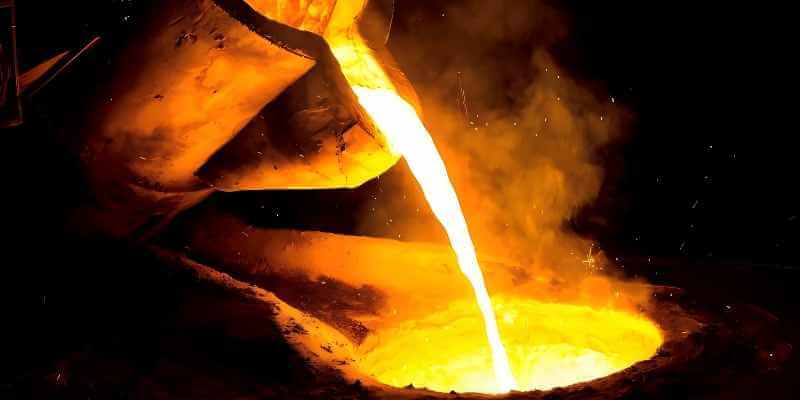
With unmatched speed, cleanliness, and precise results, using an induction melting furnace has proven to be the best answer to how to melt gold and silver.
The traditional method for melting gold and silver takes hours, causes oxidation, and delivers unimpressive results. Whereas in an induction furnace, the metal reaches its melting point within minutes, the absence of open flames prevents oxidation, and the exact temperature control guarantees precision.
The quick, clean, safe, and precise process compels jewelers, refiners, and small foundries to switch to this method for melting their precious metals.
In this blog post, we will cover everything you need to know about melting gold efficiently using an induction furnace. From helping you choose the right induction furnace to providing you with tips on maximizing efficiency, this guide has you covered.
Read on to learn everything about how to melt gold and how to melt silver efficiently using an induction furnace.
Why Induction Benefits Precious Metal Melting
The benefits offered by induction melting for melting precious metals are contributing to making it a popular melting method. There are several benefits of choosing gold melting furnaces for melting gold, including:
1. Faster and More Efficient
An induction furnace uses an electromagnetic field to heat the metal. Thus, an induction furnace results in faster heating speed and a higher efficiency rate.
2. Safe
While melting any precious metal using an induction furnace, the metal does not come in direct contact with heat. Thus, using an induction furnace for melting precious metals is beneficial as it is safe and flameless.
3. No Impact on Health or Environment
The third benefit of using an induction furnace for melting gold and silver is that it does not contribute to environmental pollution. Additionally, being safe for human health, this method is gaining popularity day by day.
To learn more about the applications and advantages of induction melting, read our detailed article on induction melting.
Material Preparation for Gold & Silver Melting
To achieve a high-quality gold and silver melt, one needs to prepare the material properly. If you want to melt gold or silver using an induction furnace, make sure to consider the following points:
Purity
Impurities, like coatings or base metals, can influence the melt’s properties, affect the color, and its glow. Using metals with known composition ensures predictable melting behavior and consistent results. To get better results, separate metals based on their purities and alloys before melting.
Cleaning Scrap Metals Before Melting
Before melting, it is essential to clean the scrap properly. Remove all dust, oils, and other contaminants that can generate unwanted gases or cause oxidation during heating. You can clean the scrap using mechanical methods (e.g., brushing or filing) or chemical methods (e.g., mild acid baths), depending on the type of scrap.
When to Add Flux
To prevent oxidation, you need to add flux at the right time. The right time to add flux is just before or during the melting, based on the material and properties required of the final melt.
Adding the flux at the right time helps in collecting the impurities, reducing oxidation, and protecting the melted metal from air exposure, without any loss of precious metal.
Step-by-Step Process: How to Melt Gold Using an Induction Furnace
Melting gold using an induction furnace is easy. With the right equipment and a clear understanding of the process, you can melt gold efficiently and safely in no time.
Tools Needed to Melt Gold
The tools you need for melting gold include:
- Induction furnace: To deliver controlled and stable heat to ensure fast, clean, and uniform melting while preventing oxidation and eliminating open flames.
- Compatible crucible: A crucible that can bear high temperatures and provide excellent thermal stability.
- Flux: Flux for removing impurities and preventing oxidation, essential when working with scrap materials.
- Protective gear:Heat-resistant gloves, safety goggles, and a face shield to prevent the risk of injuries due to high temperatures, splashes, and fumes.
- Preheated pouring moulds:Preheated moulds to prevent thermal shock and ensure smooth pouring.
Steps For Melting Gold Using Induction Heating:
The detailed steps for melting gold using an induction furnace are mentioned below. Read on to melt gold efficiently now:
Step 1 – Pre-run Check
The first and most crucial step in melting gold efficiently is to carry out a thorough inspection. Check that the crucible (the container used to melt gold) is clean and free of cracks, and sits properly in the induction coil.
Additionally, overheating can damage the equipment, so take your time to check that the cooling system is working correctly. Ensure you have all the safety gear, including heat-resistant gloves, goggles, and a face shield.
Lastly, get rid of all the flammable material at the workplace and ensure the place is well-ventilated.
Step 2 – Loading Materials
Once you have done the pre-run checks, it’s time to load the material in the crucible. Separate the materials based on purity to avoid contamination. The scrap metals should be cleaned thoroughly before adding to the crucible.
Fill the crucible only to the safe limit, as overfilling can cause spillage while the metal melts. For alloy or mixed metals, ensure you add in the proper ratio to achieve the desired composition.
Step 3 – Temperature Setting
As per these studies, the melting temperature for gold is approximately 1064°C. Set the induction melter to this temperature. If you are melting alloys, adjust the temperature a little higher or lower based on the melting point of the metal.
Induction melters offer precise temperature control, allowing you to ensure a uniform melt throughout the metal while reducing the risk of overheating.
Step 4 – Monitoring the Melt
Monitor the metal as it heats until it reaches the fully liquid state. Don’t stir the metal in induction heating, as the electromagnetic currents create uniform heat throughout the crucible.
However, you need to monitor throughout the process to keep an eye on any signs of impurities rising to the surface, discolouration, or excessive fumes that represent overheating or contamination.
Step 5 – Skimming Impurities
To maintain the purity of the final melt, you need to skim the impurities. Once the gold is in a completely molten state, use a suitable tool to skim off impurities. You can add flux at this stage to collect impurities and prevent oxidation while improving the clarity and consistency of the molten gold.
Step 6 – Pouring Into Moulds
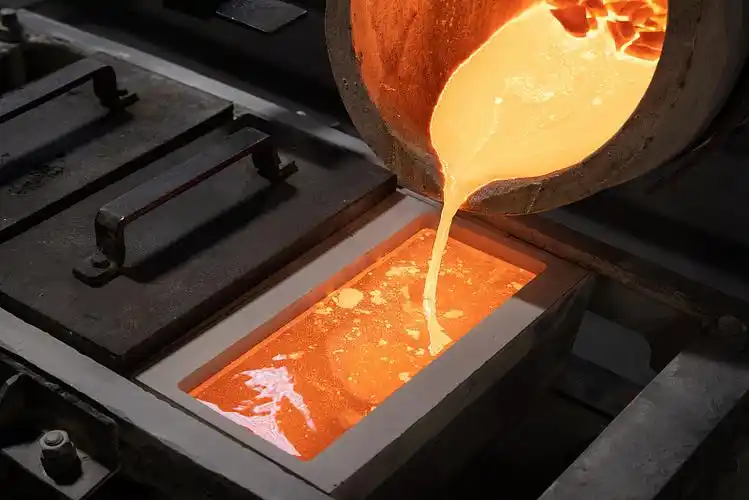
Once your gold melt is clean of all the impurities, pour it carefully into pre-heated moulds. Pour smoothly to avoid spills and let the metal cool down on its own; rapid attempts to cool the metal can contribute to stress and cracks in the final piece. After cooling, remove the castings from the moulds and finish further.
The above simple steps contribute to making this process the easiest one for jewelers to melt gold and achieve a clean, high-quality melt while ensuring safety and efficiency.
Safety Precautions While Melting Gold
Safety is essential; thus, while melting gold or any other metal, you need to follow certain safety precautions to make it a smooth and risk-free process.
First, always wear safety gear such as heat-resistant gloves, safety googles, and a face shield to protect yourself from injuries resulting from high temperatures, splashes, and fumes.
To avoid accumulation of fumes, which are harmful to your health, always choose a well-ventilated work area. Also, keep the workspace clean, dry, and free from all flammable materials.
Moisture, when it comes in contact with molten metal, causes splattering, which can cause severe burns and injuries. To avoid this, always ensure that the tools, crucibles, and moulds are completely dry.
Furthermore, make sure that the induction furnace and the cooling system are working correctly before starting the process to avoid trouble later on. Lastly, always handle molten gold with care to prevent spills and other risks.
FOCO Product Recommendation
How To Choose an Induction Gold Melting Furnace
While choosing an induction gold melting furnace, you need to consider the following:
1. Production Capacity
The first thing that should be considered while choosing an induction gold melting furnace is its production capacity. Determine the amount of gold you plan to melt per day.
Selecting the furnace with the right production capacity ensures efficient workflow, better output, and optimal use of energy and time.
2. Investment Cost
Choosing a furnace that balances price with performance and durability is essential. A low-cost furnace may seem like an attractive option; however, it may lack proper temperature control, safety measures, and the components needed for safe and efficient melting.
Similarly, an induction melting furnace with a higher upfront cost may offer better efficiency, advanced safety features, and greater durability compared to cheaper options. Make sure to choose the furnace based on its build quality, warranty, brand reputation, and overall durability.
3. Operating Cost
Operating cost refers to the expense associated with running an induction furnace. It includes the electricity consumption, crucible replacement, maintenance, and cooling system operation.
An efficient furnace consumes less power and reduces overall operational cost, making it ideal for the long run. Similarly, a stove with poor efficiency can contribute to increased operation costs.
Before buying a furnace, evaluate how much it will be used, the types of metal it will melt, and the expected energy output.
4. Safety Performance
Never ignore or compromise on safety. A furnace with built-in safety features, such as over-heating protection, emergency shutdown, stable temperature control, and easy installation, should be given preference over a stove that lacks these safety features.
5. Production Environment
Factors like space, ventilation, temperature, humidity, and dust levels can significantly affect furnace performance. Small workshops benefit from compact, air-cooled units. Large plants benefit from water-cooled systems designed for continuous operations.
Consider the production environment and choose a furnace suitable for that environment.
Cooling Method of Induction Melting Furnaces
Induction Melting Furnaces use cooling systems, either air-cooled or water-cooled, to manage heat generation during operation. The air-cooled systems are commonly used in small to mid-capacity units and are enough for low-volume melting.
Water-cooled systems, on the other hand, are best for industrial operations. They dissipate heat excellently and allow continuous operation without overheating. Choose the furnace with a suitable cooling method to ensure the lasting life and performance of your equipment.
Conclusion
In summary, induction melting has revolutionized the gold and silver industry. Jewelers, refiners, and small and large foundries have all switched to this method of melting precious metals, due to its advantages.
With the right induction furnaces, like the ones offered by FOCO induction, you can optimize the melting process and get a clean and high-quality melt, quickly while saving energy. Contact us today and get your heating system solutions.