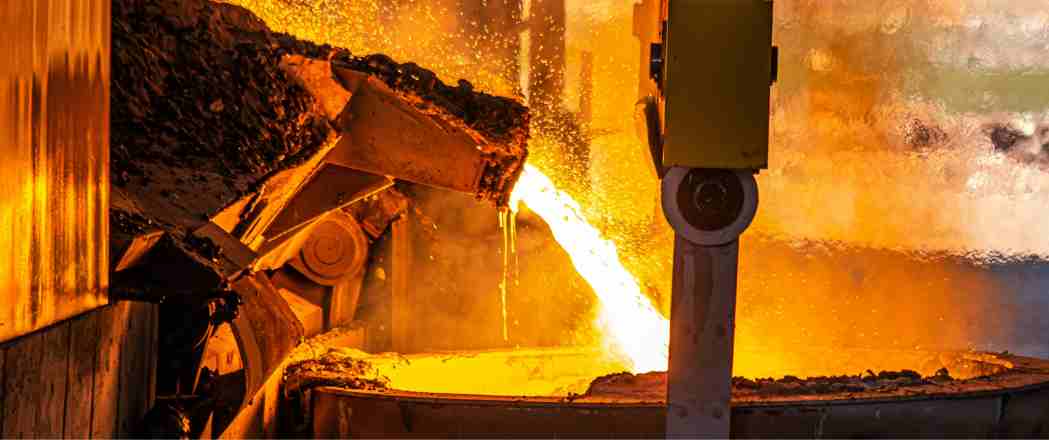
How to melt gold and silver with precision for the best results is very important because these metals have been at the heart of jewelry, electronics, and investment markets—all processes that depend on reliable melting techniques.
Whether you are a jewelry maker looking to recast broken jewelry or an investor seeking to refine gold and silver for improved storage, understanding proper melting techniques has a direct impact on your product quality and bottom line.
In this blog post, we will explore how to melt gold and silver, including induction furnaces, resistance furnaces, gas/oil furnaces, torches, and vacuum furnaces. If you want to know which method is best for you, then read on to learn more.
The Melting Point of Gold and Silver
Understanding the melting points of gold and silver is essential before attempting any melting process. These temperatures dictate safe handling, proper purification, and efficient energy use, while also helping verify metal authenticity.
Without this knowledge, improper heating can lead to safety risks, wasted materials, or poor-quality results—making it the foundation of successful gold and silver processing.
What is the melting point?
The melting point of gold/silver refers to the temperature required for a solid substance to completely melt into liquid.
For gold (Au), the melting point is approximately 1064°C. This means that when gold is heated to this temperature, it will change from a solid to a liquid form. Similarly, silver (Ag) has a melting point of about 961.8°C.
Common jewelry alloys like 14K (58.3% gold) and 10K (41.7% gold) melt at approximately 800°C and 700°C, respectively. These variations occur because alloying metals like silver or copper modify gold’s thermal properties.
Learn more about melting point from NIST
Factors influencing the melting point:
- Purity (carat): Purity plays a crucial role. Mixed with metals like copper or zinc, gold and silver exhibit a lower melting point. This is because adding these metals changes the crystal structure and weakens the intermolecular forces within the metal.
- Impurities: Impurities also have some impacts. Impurities such as carbon and sulfur can lower the melting point. Because they disturb the metal’s ordered atomic structure, facilitating melting.
- Environmental pressure: Pressure and vacuum conditions also affect the melting point. Under high pressure, the melting point increases slightly, while in a vacuum environment oxidation is inhibited, but no significant change in melting point is observed.
- Crucible material: Graphite is a fast conductor of heat but runs the risk of carbon contamination, while quartz is a slower conductor of heat but is clean.
- Heating rate and uniformity: It is also an important factor. Heating slowly and evenly prevents overheating and ensures complete melting. Heating too quickly or unevenly will cause some parts of the metal to melt while others remain solid, resulting in inconsistent results.
Now that we’ve covered the essential basics, let’s move on to the most critical practical section of this blog: a detailed guide on how to efficiently melt gold and silver using various professional melting equipment
Melting Melting Gold/Silver with Induction Melting Furnace
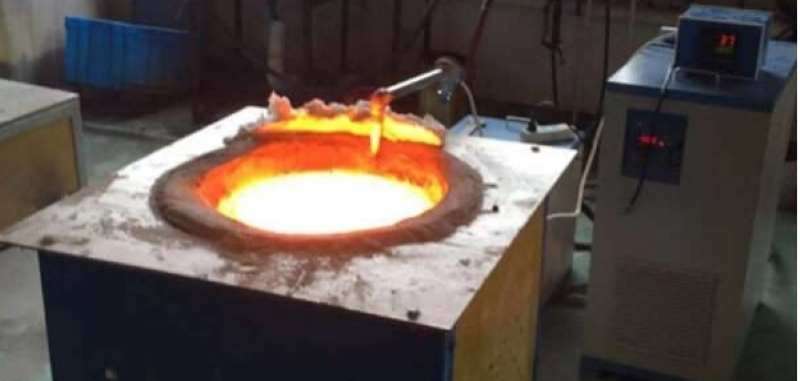
Induction furnaces provide the most advanced melting solution for precious metals, delivering unmatched purity and efficiency. While requiring significant upfront investment, they offer superior performance for high-volume production.
Operating Steps for Melting Gold/Silver:
- Required Materials & Tools:
Clean gold or silver raw material
An induction furnace with a temperature control system
A high-temperature crucible (graphite or ceramic is recommended)
Safety equipment such as heat-resistant gloves, goggles, protective clothing, etc.
A pyrometer can be used for accurate temperature monitoring.
- Set the Target Temperature:
Use 1064°C for pure gold and 961.8°C for pure silver. For alloys, enter the required melting temperature based on alloy content. For example, for gold/silver alloys, the temperature may range from 1000 to 1100°C.
- Load the Material:
Load the crucible (preferably made of graphite or ceramic) with gold or silver pieces. Make sure the crucible is properly positioned in the induction coil zone of the furnace.
Then follow a precise temperature profile: preheat at 800°C for 2 minutes to remove moisture and volatile contaminants, followed by full melting at 1,064°C for 3–5 minutes under electromagnetic stirring for even heat distribution.
- Start the Induction Furnace:
Turn on the furnace and activate the induction coil. The coil generates electromagnetic fields that induce eddy currents in the crucible, heating it rapidly.
You need to observe the heating process closely to avoid overheating; it can damage the crucible or cause metal loss. What’s more, uneven melting may lead to incomplete fusion or defects in the final product.
- Monitor & Pour:
During induction furnace melting, monitor the temperature in real-time with a pyrometer or thermometer. Make sure the metal is completely liquid before carefully pouring it into the molds. For precision, use a controlled system. Let molds cool completely before removing castings.
Advantages:
- High efficiency and energy saving: The induction furnace uses electromagnetic eddy current to directly heat gold, with a thermal efficiency of more than 70%. Compared with traditional gas furnaces, it can save more than 40% of energy consumption costs.
- Ultra-high purity: The non-contact heating method completely avoids carbon and sulfur pollution caused by flames. With the precise temperature control system, the purity of gold can be stably controlled at more than 99.99%.
- Intelligent automation: The fully digital control system can realize one-button operation, automatically completing the entire process from preheating to melting, reducing the need for manual intervention by more than 50%.
- Environmentally: The induction melting process is completely smokeless and flameless, does not produce harmful gases and dust, and the working environment is clean and tidy, meeting the most stringent environmental protection production standards.
For induction melting furnaces, explore FOCO Induction‘s solutions—we’re here to help.
Disadvantages:
- Expensive equipment: The initial investment cost of an induction melting furnace is high, 3-5x that of traditional melting equipment, which puts great financial pressure on small processing plants.
- High technical requirements: Professionals are required to operate and maintain the equipment, and the technical training requirements for workers are higher than traditional melting methods.
- Raw material restrictions: It is only suitable for processing purified gold raw materials and has poor adaptability to raw materials such as ores with more impurities or electronic waste.
Best Use Cases:
- Large-scale refineries and high-end jewelry manufacturers that need high-purity gold production.
- Precious metal recycling plants (e.g., electronics scrap processors) require efficient, bulk melting.
- Modern precious metal industries with strict cleanliness and process control standards.
Safety Precautions for Melting Gold/Silver:
- Prevent metal splashing by installing protective shields.
- Avoid melting metals with high sulfur or corrosive impurities, as they can damage the furnace lining.
- Cool down the furnace gradually to prevent cracking.
Melting Gold/Silver with a Vacuum Furnace
Vacuum furnaces represent the pinnacle of precious metal melting technology, delivering unparalleled purity for critical applications. While demanding significant investment and expertise, they’re indispensable for aerospace, electronics, and high-end alloy production.
Operation Steps for Melting Gold/Silver:
- Required Tools:
A vacuum furnace equipped with a pressure gauge and an inert gas supply system.
High-temperature resistant crucible, usually made of graphite or ceramic
Safety gear such as heat-resistant gloves, goggles, protective clothing
- Pull a Vacuum
Before closing the furnace chamber, ensure all connections and interfaces are tightly sealed. Slowly reduce the pressure inside the chamber to the specified level (typically ≤10⁻³ Pa). Keep a close watch on the pressure gauge throughout this procedure.
Perform a thorough leak check using a helium mass spectrometer or the soap bubble method. If any leaks are detected, seal them immediately. Maintaining a stable vacuum is crucial to prevent oxidation and contamination.
- Heat to Melting Point
Initiate the heating process slowly to avoid thermal shock. Use a pyrometer or advanced temperature controller to monitor the temperature accurately.
Control the heating rate steadily to achieve uniform temperature distribution. The final temperature should be slightly above the melting point of the metal (e.g., 1064°C for gold, 961.8°C for silver) to ensure complete liquefaction.
Continuously monitor and maintain the vacuum level throughout the heating process to prevent any ingress of air.
- Introduce Inert Gas
Argon is commonly used due to its inert properties and availability. Ensure the gas supply is clean and dry to prevent contamination.
Ensure a continuous and stable inert gas supply to envelop the molten metal, thereby preventing oxidation and limiting impurities.
Keep the gas flowing during the casting or slow cooling process to maintain a pristine environment.
- Casting or Cooling Down
Carefully tilt the furnace or use a crucible transfer system to pour the molten metal into preheated molds. Confirm molds are properly cleaned and dried to minimize casting flaws.
Alternatively, allow the furnace to cool slowly under a vacuum or inert gas atmosphere. This controlled cooling process minimizes thermal stress and prevents cracking or brittleness in the final product.
Advantages:
- Completely Oxidation-Free: The vacuum environment eliminates oxygen, preventing oxidation and ensuring the highest purity of the melted metal.
- Impurity Prevention: High vacuum conditions significantly reduce the presence of contaminants, resulting in a cleaner and more consistent melt.
- High-Precision Materials: Ideal for applications requiring stringent material properties, such as aerospace components and electronic materials.
Disadvantages:
- Extremely Expensive: The initial cost of a vacuum furnace can reach millions of dollars, making it a significant investment.
- Complex Operation: Requires specialized training and expertise to operate effectively. Vacuum technicians are often needed to manage the system.
- Limited Accessibility: Due to the high cost and complexity, vacuum furnaces are typically found only in professional laboratories and factories.
Applications:
- High-End Alloys: Used for melting titanium, nickel-based alloys, and other high-performance materials.
- Electronic Materials: Essential for producing pure metals used in semiconductors and other electronic components.
- Aerospace Components: Critical for manufacturing parts that require exceptional strength and durability under extreme conditions.
Precautions for Melting Gold/Silver:
- Regular Maintenance: Conduct routine inspections of the vacuum system to ensure integrity and performance. Check for leaks and replace worn components as needed.
- Controlled Heating/Cooling: Follow strict protocols for heating and cooling to prevent thermal stress and material degradation. Use programmable controllers for precise temperature management.
- Professional Environment: Operate the vacuum furnace only in a controlled environment with trained personnel. Ensure all safety measures are in place before starting any operation.
Melting Gold/Silver with Resistance Furnace
Resistance furnaces offer precise temperature control for melting precious metals, making them ideal for jewelry workshops and small-scale production. While cost-effective and easy to operate, they require longer heating times and careful maintenance. Below is a clear, step-by-step guide to the process.
Operation Steps for Melting Gold/Silver
- RequiredTools:
Resistance furnace with temperature controller.
Heat-resistant crucible (alumina or silicon carbide recommended).
Safety gear (heat-resistant gloves, goggles, protective clothing).
- Preheat the Furnace:
Start the resistance furnace and adjust the temperature controller to the correct melting point—approximately 1064°C for pure gold and 961.8°C for pure silver.
The preheating process usually takes about 2 hours, but this can vary depending on the size and insulation of the furnace. If you’re using a bigger furnace with better insulation, it might take longer for the temperature to reach your desired level. During this time, it’s important to monitor the temperature regularly to ensure that it is rising steadily.
- Load the Material:
Once the furnace has reached the proper preheat temperature, carefully place your gold or silver item into a heat-resistant crucible. Please use tongs to prevent contamination.
After that, cover the crucible immediately and add a small amount of borax flux. The borax will form a protective film that prevents oxidation as the metal melts. For the best melting results, keep the temperature steady and well-controlled from start to finish.
- Heat via Electrical Resistance Wire:
In a resistance furnace, electricity flows through special wires that resist the current. This resistance creates heat, which is used to warm the furnace. This heat is transferred to the crucible and the metal inside.
Once the heating process begins, use a temperature controller to closely monitor the temperature. Make sure the heat spreads evenly throughout the crucible for proper melting. Uneven heating can cause some parts of the metal to melt faster than others, resulting in a lower-quality melt.
- Pour or Cast:
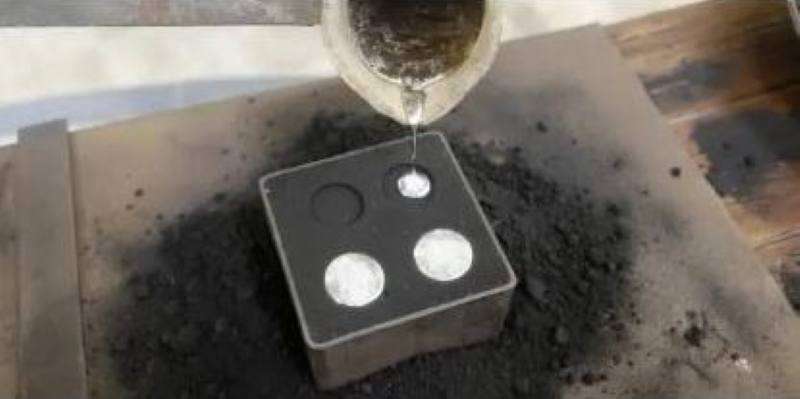
When the metal is fully molten, carefully pour it into preheated, dry molds using steady motions to avoid splashing and defects. For complex molds, ensure even cavity filling.
After pouring, let the furnace cool completely to prevent thermal damage. Once cooled, remove slag from the crucible and inspect the furnace for wear. Proper cooling and maintenance prolong equipment life and ensure casting quality.
Advantages:
- Cost-Effective: Significantly cheaper than induction furnaces (typically 50-70% lower initial cost). Lower operational costs for small/medium-scale production (ideal for startups or workshops with limited budgets).
- Simple Operation: Traditional heating method that doesn’t require complex electronics or skilled technicians. The system is easy to use—just specify the desired temperature and place the material inside.
- Easy Maintenance: Minimal maintenance compared to induction furnaces because there are no sensitive coils or cooling systems.
Disadvantages:
- High Energy Consumption: Poor heat retention leads to significant energy loss. Longer heating cycles mean prolonged electricity usage, increasing operational costs over time.
- Slow Heating Process: It takes 1.5–2 hours to reach melting temperatures (compared to induction furnaces’ 30–40 minutes). Longer cycles reduce productivity in high-volume production scenarios.
- Wear and Tear on Crucibles: Alumina/silicon carbide crucibles degrade faster due to prolonged high-temperature exposure. Frequent replacements increase long-term costs.
Applications:
Resistance furnaces are widely used in small-scale metalworking applications due to their precise temperature control and compact size.
They are particularly favored in jewelry workshops for melting and casting precious metals, in laboratories for material testing and research, and in educational institutions for demonstrating metallurgical processes.
Precautions for Melting Gold/Silver:
- Be careful to avoid overloading, as this can risk overheating the wires.
- Replace the furnace lining regularly, such as alumina or silicon carbide, to maintain its performance.
- Also, prevent electrical shorts to ensure safe operation.
Melting Gold/Silver with Gas/Oil Furnace
Gas and oil furnaces offer a portable, cost-effective way to melt precious metals, ideal for fieldwork. However, they require precise temperature control and strict safety precautions to prevent oxidation, pollution, and fire risks. Here’s a concise process guide.
Operation Steps for Melting Gold/Silver:
- Required Tools
Crucible: Graphite or clay graphite is preferred for heat resistance.
Tongs and Heat-Resistant Gloves: Required for safely handling the crucible and molten metal.
Fuel and Ignition Source: Natural gas or diesel, and a spark igniter or pilot flame.
Ventilation System: Essential to prevent the buildup of harmful fumes.
- Ignite the Fuel
First, open the fuel valve slightly to release the gas or oil. Light the burner using a spark igniter or pilot flame. For best results, adjust the flame until it burns with a consistent, neutral blue color. Avoid yellow or orange flames, as these indicate incomplete combustion, which can lead to reduced heating efficiency and increased pollution.
- Preheat the Furnace
Gradually increase the heat to avoid thermal shock on the crucible. Abrupt temperature changes risk cracking the crucible, causing safety hazards and material waste. A slow and steady preheating process ensures the crucible remains intact and ready for the melting process.
- Add Raw Material
Using tongs, carefully place the gold or silver pieces into the crucible. For alloys, ensure that the chunks are of consistent size to promote even melting. When chunks vary in size, some areas heat up too much while others don’t get enough heat, leading to uneven results.
- Control the Flame & Monitor Melting
Regulate the flame strength as necessary to sustain a stable temperature. Avoid overheating, which can cause the metal to evaporate or oxidize excessively. Stir the molten metal occasionally with a non-ferrous rod, such as graphite, to ensure uniform melting and prevent the formation of cold shuts or inclusions.
- Pouring the Melt
After the metal is fully molten, gently tilt the furnace or move the crucible to the pouring area. Pour the liquid metal steadily into the molds to avoid spills and ensure an even distribution. Rapid pouring can cause turbulence, leading to defects in the final product.
- Post-Melting Cleanup
After pouring, remove any slag or residue from the crucible. Inspect the furnace for signs of wear or damage, such as cracks or leaks. Consistent maintenance preserves equipment durability and safe operation.
Advantages:
- Low Running Cost: Gas and diesel are readily available and relatively inexpensive compared to other heating methods.
- Portability: Gas/oil furnaces are often compact and easy to transport, making them ideal for outdoor use or emergency situations.
Disadvantages:
- Open Flame Causes Oxidation: The open flame can lead to oxidation of the metal,necessitating the use of protective gas to minimize this effect.
- High Pollution: These furnaces emit exhaust gases, contributing to environmental pollution.
- Safety Risks: The presence of an open flame poses fire and explosion hazards, requiring strict safety protocols.
Applications:
Gas/oil furnaces are commonly used in outdoor settings, such as field recycling or emergency melting operations. Their portability and low running cost make them a practical choice for these scenarios.
Precautions for Melting Gold/Silver:
- Ensure Good Ventilation: Proper ventilation is essential to prevent carbon monoxide poisoning, which can be fatal.
- Keep Away from Flammable Materials: Maintain a safe distance from any flammable substances to reduce the risk of fire.
- Regularly Inspect Gas Lines: Check for leaks or damage in the gas lines to prevent accidents and ensure efficient operation.
Melting Gold/Silver with Torch Melting
Torch melting is a versatile and portable method for working with gold and silver, ideal for jewelry repair, small-scale casting, and field adjustments.
While it offers flexibility and low-cost operation, proper technique and safety precautions are essential to ensure clean melts and prevent accidents. Below is a concise guide to the process.
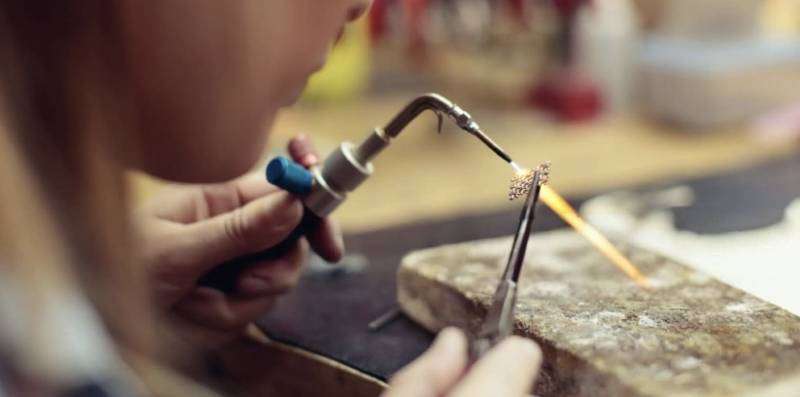
Operation Steps for Melting Gold/Silver:
- Required Tools
Torch: Acetylene-oxygen or propane-oxygen mixtures are recommended for optimal temperature regulation.
Crucible or Heat-Resistant Tool: A graphite, ceramic, or clay-graphite crucible works best for holding the metal.
Safety Gear: Heat-resistant gloves, safety goggles (to shield against bright light and molten splashes), and flame-resistant clothing.
Ventilation System: A well-ventilated area or exhaust system is critical to prevent fume buildup, especially when working with alloys that may release toxic gases.
- Adjust the Torch Flame
Neutral Flame: A balanced mix of acetylene and oxygen produces a clean, stable flame ideal for most metals.
Reducing Flame: Slightly more fuel than oxygen creates a “carburizing” flame, which can help prevent oxidation—useful for silver or alloys prone to scaling.
Flame Stability: Ensure the flame is steady and adjustable for precise control over heat application.
- Heat the Material
Using the torch, apply heat evenly to the gold or silver pieces placed in the crucible. Process small batches at a time for consistent heating. Move the torch in small, circular motions to avoid hot spots that could cause uneven melting or material loss.
- Quick Melting & Pouring
Once the metal is fully molten, please pour it immediately to prevent overheating, which can lead to evaporation or oxidation. Tilt the crucible steadily and pour it into molds at a consistent speed to avoid splashing or turbulence.
Advantages:
- Highly Flexible: Ideal for localized melting, welding repairs, or small-scale casting.
- Low Cost: Only requires gas and oxygen—no expensive furnace infrastructure needed.
- Portability: Lightweight and easy to use in fieldwork or remote locations.
Disadvantages:
- Manual Operation: Requires steady hands and experience for consistent results.
- Low Efficiency: Slower than furnaces, especially for larger quantities.
- Uneven Heating: Inconsistent flame distribution can lead to impurities due to uneven heating.
- Limited Scale: Best for small batches or intricate work; unsuitable for mass production.
Applications:
- Jewelry Repair: Fixing broken pieces or adding details.
- Small Mold Casting: Creating custom designs or prototypes.
- Emergency Soldering: Quick fixes or adjustments in the field.
Precautions for Melting Gold/Silver:
- Safety Goggles: Protect your eyes from intense light and molten splashes.
- Cool Down: Allow the torch to cool completely before handling post-use.
- Avoid Overheating: Excessive heat increases metal evaporation and risks damaging the crucible.
- Ventilation: Always work in a well-ventilated area to avoid inhaling toxic fumes (especially when melting alloys with lead or zinc).
Melting Gold and Silver in Ancient Times
Ancient metalworkers developed clever techniques to melt precious metals long before modern technology existed. Their methods combined simple tools with skilled craftsmanship to achieve remarkable results.
Operating Steps for Melting Gold/Silver
- Required Tools
Clay Crucible: Made of heat-resistant clay or graphite to hold the metal.
Bellows or Blowpipe: Used to supply a continuous stream of air for higher temperatures (if using a charcoal furnace).
Furnace: Constructed from clay or brick, fueled by charcoal or wood.
Tongs: For handling the hot crucible.
Mold: Stone or ceramic, used for casting ingots or objects.
Hammer & Anvil: For further forging (optional).
- Pretreatment
If using ore, crush and pan it (placer gold can be melted directly).
If impurities (e.g., copper, iron) are present, pre-treat with acid leaching or roasting (optional).
- Loading the Crucible
Place gold/silver fragments into the crucible and cover with flux (e.g., borax + charcoal powder).
For gold, borax alone is sufficient, because gold is chemically stable with few impurities.
For silver: Add lead for later cupellation.
- Heating the Furnace
Place the crucible in the furnace, surrounded by charcoal, and use bellows to boost the heat. Gold requires at least 1064°C (bright yellow-white flame), while silver needs 961°C. As the metal melts, oxidation creates slag—keep heating until fully liquid.
- Impurity Removal & Refining
Gold purification involves using borax to form removable glassy slag, while silver requires cupellation—adding lead to absorb impurities before oxidizing it in a bone-ash cupel to isolate pure silver.
- Casting
Using tongs, swiftly transfer the molten metal from the crucible to the mold. The cooled ingots are ready for immediate use, though jewelry pieces may require reheating for precise forging and engraving.
Advantages:
- Simple Technique: The process requires only high temperatures and basic tools, making it particularly suitable for small-scale production.
- Readily Available Materials: Common materials like charcoal and clay crucibles were widely accessible in ancient times.
- Controllable Purity: Through repeated smelting and cupellation, high purity levels could be achieved. For example, ancient Roman silver reached an impressive purity of 99%.
Disadvantages:
Production remained small-scale because each piece required individual attention. Temperature control depended entirely on the worker’s experience, leading to inconsistent results. The process also demanded tremendous physical effort, with workers constantly tending fires and operating bellows.
Applications:
- Coinage Production: Examples include Chinese “silver sycee” ingots and Roman “denarius” silver coins.
- Jewelry & Artifacts: Noble adornments and religious artifacts (e.g., the golden mask of Egyptian pharaohs).
- Trade Reserves: Gold and silver ingots served as hard currency in cross-regional commerce.
Safety Precautions for Melting Gold/Silver
- Safety Measures: Extreme heat posed burn risks, requiring rudimentary insulation using asbestos or thick cloth.
- Impurity Management: Excess lead or sulfur could embrittle the metal, necessitating precise flux ratios.
- Ventilation Requirements: Cupellation released toxic lead fumes, mandating open-air or well-ventilated workspaces.
Further reading on Egyptian Gold Processing is available here.
How to Choose the Right Melting Tool
Choosing the right gold and silver smelting tools requires a comprehensive consideration of metal properties, production scale, purity requirements, and budget. Here are some professional suggestions:
Induction furnaces can quickly reach the melting points of gold and silver and maintain precise temperature control, effectively reducing metal oxidation. However, this type of equipment requires a significant initial investment and professional maintenance, making it more suitable for jewelry processing factories or refining enterprises.
Resistance furnaces are relatively easy to operate and suitable for melting gold-silver alloys, but they have a slower heating rate and limited temperature control accuracy. This type of equipment is more suitable for small workshops or individual studios with limited budgets.
Gas furnaces perform well in outdoor or emergency smelting, especially suitable for recycling old gold and silver materials. Although they have low operating costs and are easy to move, open-flame operations pose safety risks and cause some pollution, making them suitable for temporary operations.
Torch melting is very suitable for jewelry repair or small-scale gold and silver processing in laboratories. It can be accomplished with just a simple welding torch and crucible, and the cost is extremely low. However, we need to pay attention to the uniformity of heating to avoid metal splashing and impurity mixing.
Vacuum furnaces are specifically designed for the melting of ultra-high-purity gold and silver, capable of completely isolating oxygen to ensure a purity of over 99.99%. Such equipment is crucial for high-end products, but it is expensive and complex to operate and mainly used in special industrial fields such as semiconductors and aerospace.
Overall, when choosing tools, one should weigh the output, purity, cost, and operational difficulty to find the most suitable solution.
Here’s a comparison of melting methods:
| Melting Method | Best For | Advantages | Disadvantages | Cost | Skill Level |
|---|---|---|---|---|---|
| Induction Furnace | large-scale, high-precision production | fast heating, precise temp control, eco-friendly, minimal oxidation | high initial cost, requires maintenance | High | Moderate |
| Resistance Furnace | small/medium-scale production | affordable, simple operation | slow heating, poor temp control, high energy use | Medium | Low |
| Gas/Oil Furnace | outdoor use, emergency melting | low running cost, portable | open flame causes oxidation, high pollution, safety risks | Low | Low |
| Torch Melting | small batches, repairs, emergency soldering | very low cost, highly flexible | manual, inefficient, uneven heating, impurities | Low | Low |
| Vacuum Furnace | high-purity applications | completely oxidation-free, prevents impurities | extremely expensive, complex operation | Very High | High |
When selecting the optimal melting method for gold and silver, professionals must carefully evaluate their specific production requirements against each technique’s capabilities.
For small-scale operations handling under 100 grams, torch melting offers an affordable and flexible solution, though it requires skilled handling to maintain quality.
Gas and oil furnaces become practical for mobile operations processing 100 g to 2 kg batches, providing portability at the cost of some purity.
Small workshops producing 500g to 5kg daily will find resistance furnaces strike the best balance between cost and performance, despite slower heating times.
Modern jewelry manufacturers handling 1-20 kg batches typically opt for induction furnaces, which deliver excellent purity (99.9-99.99%) with rapid 15-30 minute melting cycles, making them ideal for medium-scale production.
At the pinnacle of melting technology, vacuum furnaces guarantee 99.99%+ purity for specialized applications like aerospace components, though their 500g-10kg capacity and $500K+ price tag limit them to high-value industrial use.
The choice ultimately depends on four key factors: daily production volume, required purity levels, operational costs, and available infrastructure. For most professional jewelry operations needing both quality and throughput, induction furnaces represent the optimal solution.
Applications of Molten Gold and Silver
The ability to melt gold and silver effectively unlocks countless valuable applications across industries. After exploring various melting techniques, let’s examine how these molten precious metals serve modern needs.

- Jewelry
It remains the most visible application. Artisans pour molten gold and silver into intricate molds to create rings, necklaces, and decorative pieces.
High-purity metals like 24K gold and 999 silver produce premium jewelry with superior luster and value. Many luxury brands use these pure metals for their signature collections.
- Electronics
Electronics manufacturers rely heavily on these metals’ unique properties. Gold’s corrosion resistance makes it ideal for circuit boards and semiconductor coatings, ensuring reliable performance in smartphones and computers. Silver’s superior conductivity powers solar panels and battery technologies, driving renewable energy solutions.
- Investment & Finance
Financial markets depend on standardized molten metal products. Refineries cast LBMA-approved gold bars and 1 oz. silver coins that form the backbone of precious metal investments. These standardized units enable global trading and wealth preservation.
- Industrial Manufacturing
Industrial applications demonstrate gold and silver’s versatility. Aerospace engineers use gold components in satellite systems for their radiation resistance.
Medical device manufacturers implant gold in pacemakers and stents for its biocompatibility. Silver’s antibacterial properties make it valuable for hospital equipment and water purification systems.
- Art & Cultural Heritage
Art conservationists employ traditional metalworking techniques to restore historical artifacts. Molten silver helps recreate missing elements in antique objects, while gold leaf gilding preserves architectural details in heritage buildings.
These diverse applications demonstrate why mastering gold and silver melting techniques remains crucial across multiple sectors, from artisanal crafts to cutting-edge technology.
Conclusion
In the process of gold and silver processing, efficient melting can not only save costs but also ensure the purity of metals and product quality. Whether it is jewelry making, precious metal recycling, or industrial applications, choosing the right melting tools can significantly enhance efficiency.
If you need a more professional and efficient gold melting solution, FOCO Induction Melting Furnace can provide you with customized services, precise temperature control, and rapid melting, helping you achieve high-quality production. Contact us immediately to get the melting solution that suits your needs!