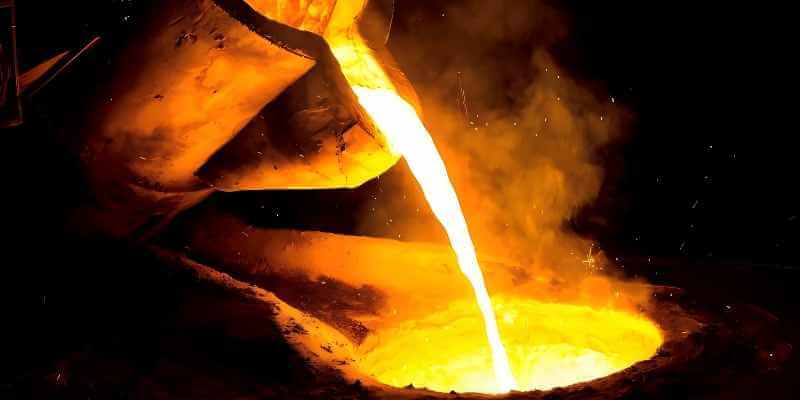
How to smelt iron and steel has long been a matter of concern for the steel production industry.How to smelt iron and steel has long been a matter of concern for the steel production industry.How to melt iron and steel has long been a matter of concern for the steel production industry. Melting iron and steel literally defines the overall metal-based industrial progress. However, the melting method has evolved dramatically. Traditional methods come with smoke, residue, and safety risks.
That’s why you should choose a reasonable measure like induction melting. Induction furnaces deliver a cleaner, faster, and safer way to achieve controlled heating, transforming solid iron into liquid metal.
It marks the best solution for iron, combining cutting-edge tech with practical reliability. I’ve gathered everything you need to know to start applying it confidently and effectively in this guide on “How to Smelt Iron”.
Why Induction Furnaces are Perfect for Iron Melting
Anyone familiar with iron melting methods knows of several options. Why should you stick to induction furnaces? Or is it just some exaggeration to consider induction furnaces as the perfect solution?
Benefits of Modern Induction Furnaces
You don’t have to burden yourself with such challenges with modern electromagnetic induction. The advantages of induction furnaces outweigh modern competitors, let alone the classic ones.
- Cleaner Process: No coke or fuel combustion means zero direct emissions of CO₂ or SO₂. Foundries using induction furnaces report up to 90% reductionin particulate emissions.
- Energy Efficiency: Induction furnaces can achieve 65% – 75% efficiency by default. Some advanced models exceed 80%, exponentially reducing the electricity costs.
- Faster Melting: Melting each batch of iron requires only 30 – 60 minutes. However, the actual timetable depends on furnace size, compared to several hours in cupola furnaces.
- Safety Improvements: Enclosed systems eliminate exposure to flames and toxic gases. Automated controls reduce human involvement, lowering the chances of error.
- Precision Quality: Manufacturers can maintain the iron at its exact melting point (1538°C) with minimal overheating. This enables consistent metallurgical properties.
- Flexibility: Induction furnaces can melt small batches (5 – 100 kg) or scale up to industrial capacities. Its capability within a broad range suits workshops and large steel plants.
Tools and Equipment to Melt Iron and Steel with Induction Furnaces
01. Primary Equipment
a. Induction Melting Furnace
- Coreless furnaces: Flexible for batch melting (for foundries handling varied alloys).
- Channel furnaces: Better for continuous melting operations.
- Capacity: Ranges from 5 kg laboratory units to 50+ ton industrial furnaces.
b. Refractory Materials
It lines up the furnace crucible to withstand extreme temperatures and protect the furnace shell. Common materials:
- Alumina (Al₂O₃) and Magnesia (MgO) for high thermal resistance.
- Silica-based refractories for cost-effective lining in smaller furnaces.
c. Charging Equipment
The equipment loads the iron scrap, pig iron, or alloying elements into the furnace. Top tools include:
- Hydraulic charging machines for large-scale operations.
- Manual charging tools (tongs, shovels) for smaller furnaces.
02. Essential Safety Equipment
a. Personal Protective Equipment (PPE)
- Heat-Resistant Clothing: Foundry suits made of aluminized fabric reflect radiant heat.
- Face Shields and Helmets: Protection against sparks and radiant energy.
- Gloves and Boots: Insulated, non-conductive, and resistant to molten splash.
- Respiratory Protection: Masks or respirators in facilities against dust or fumes.
- Global Standard: OSHA (USA) and EU regulations mandate PPEfor all furnace operators.
b. Facility Safety Equipment
- Ventilation Systems: Removal of heat and any residual fumes.
- Emergency Shut-Offs: Automatic power cuts in case of malfunction.
- Fire Suppression: Strategic placement of CO₂ or dry chemical extinguishers.
- Cooling Systems: Water-cooled coils and backup systems to prevent overheating.
03. Auxiliary Tools
a. Quality Control Instruments
- Spectrometers: Analyze molten iron composition to ensure alloy accuracy.
- Thermocouples and Pyrometers: Measure furnace and molten metal temperature precisely.
- Sampling Tools: Crucibles and ladlesfor taking molten samples.
b. Measurement & Parameter Adjustment Tools
- Power Controllers: Adjust frequency and power input to optimize melting speed.
- Data Logging Systems: Track furnace performance, energy consumption, and batch quality.
c. Maintenance/Troubleshooting Tools
- Coil Inspection Devices: Detect cracks or wear in copper coils.
- Refractory Repair Kits: For patching the lining between major relines.

Step-by-Step Guide: How to Melt Iron Using an Induction Furnace
01. Pre-Operation Preparation
a. Equipment Inspection
- Furnace Check: Inspect copper coils, refractory lining, and cooling systems. Any cracks or leaks in the lining can cause molten iron to escape. Always verify water-cooling circuits to avoid coil overheating.
b. Workspace Setup
- Ventilation: Active exhaust systems to remove residual fumes.
- Safety Zones: Mark restricted areas around the furnace to prevent exposure.
- Emergency Readiness: Accessible fire extinguishers and shut-off switches.
c. Material Preparation
- Iron Source: Clean off rust, oil, and non-metallic contaminants from scrap/pig/sponge iron.
- Alloying Elements: Prepare additives (carbon, silicon, manganese) for later refining.
- Charging Tools: Test the hydraulic or manualcharging equipment for smooth operation.
02. Iron and Steel Melting Process: Step-by-Step
Step #01: Initial Charging
Load a base charge of iron scrap or pig iron into the crucible. Avoid wet scrap as the moisture can cause violent steam explosions.
Step #02: Power Up and Initial Heating
Switch on the induction furnace to generate a magnetic field for eddy current induction in iron. The skin effect concentrates heat at the surface for inward conduction for uniform melting.
Step #03: Progressive Charging
As the initial batch melts, gradually add more iron scrap. Progressive charging prevents overloading and ensures continuous melting.
Step #04: Reach Target Temperature
The furnaces can reach iron’s melting point in 30 – 60 minutes for 50 – 100 kg batches, depending on the power input. Mid-frequency furnaces (100 – 1000 Hz) balance penetration depth and heating speed.
Step #05: Refining & Slag Removal
Add fluxes (lime, fluorspar) to bind impurities into slag. Skim off slag regularly to maintain purity. Up to 90% reduction in slag volume is possible due to cleaner induction heating.
Step #06: Quality Check
Get spectrometers to analyze molten iron composition. Adjust alloying elements to achieve the desired mechanical properties. Sample at multiple stages for consistency without any costly rework.
Step #07: Tapping/Pouring
Tilt or bottom-pour the furnace into molds or ladles. Operators must wear aluminized PPE suits, face shields, and insulated boots. Japanese foundries employ robotic ladle systems.
03. Post-Operation Tasks
a. Furnace Cooling
Gradually reduce the power and allow the furnace to cool. Sudden cooling can crack refractory linings.
b. Inspect Lining
Check refractory walls for erosion or cracks. Refractory life usually lasts 250 – 400 heats, depending on charge quality.
c. Cleaning Slag & Residue
Remove leftover slag and metallic residues. Proper cleaning prevents contamination in the next batch.
d. Maintenance Checks
Inspect coils, cooling systems, and electrical connections. Chinese steel plants have started using predictive maintenance AI to reduce unplanned shutdowns.
Safety Precautions Related to Iron Melting Using Induction Furnace
I don’t need to remind you that molten metal work is inherently hazardous. You must maintain safety measures, operational protocols, and emergency procedures.
01. Critical Safety Measures
a. Personal Protective Equipment (PPE)
Heat-resistant suits, aluminized jackets, insulated gloves, and boots protect against radiant heat and molten splash. Face shields and helmets guard against sparks and infrared radiation.
Respiratory masks are essential in facilities with dust or fume exposure. OSHA and EU regulations have mandated PPE for all furnace operators.
b. Workplace Safety Setup
Ventilation systems reduce heat stress and remove residual fumes. Restricted zones around furnaces prevent accidental exposure.
Fire suppression systems (CO₂ or dry chemical) must be strategically placed. German foundries integrate IoT-based monitoring to detect coil overheating and trigger automatic shutdowns.
c. Material Safety
Scrap iron and steel must be dry and free of oil, rust, or contaminants. Moisture can cause violent steam explosions. Progressive charging prevents overloading and reduces the risk of spillage.
02. Operational Safety Protocols
a. Training & Supervision
Only qualified personnel should operate induction furnaces. Lack of awareness is a leading cause of accidents. Annual safety training is recommended globally to refresh hazard awareness.
b. Furnace Operation
Inspect refractory lining before each melt; cracks can lead to catastrophic leaks. Verify water-cooling circuits, as coil overheating is a common failure point. Maintain clear communication between operators during charging, tapping, and slag removal.
c. Quality Control & Monitoring
Use spectrometers and pyrometers to monitor molten iron composition and temperature. Automated data logging systems track furnace performance and energy consumption.
03. Emergency Procedures
a. Immediate Shutdown
Emergency stop switches must be accessible to cut power instantly in case of a malfunction. Automated interlocks prevent furnace operation if cooling systems fail.
b. Molten Metal Spill Response
Evacuate personnel from the melt zone. Use dry sand or refractory material to contain spills. Never use water as it causes explosions.
c. Fire and Explosion Protocols
Fire suppression systems should be tested regularly. Workers must be trained on evacuation routes and assembly points.
d. Medical Preparedness
First-aid kits and burn treatment stations must be available. Facilities should maintain partnerships with nearby hospitals for emergency response.
Applications of Iron Melting Using Induction Furnaces
- Foundry and Casting Industry: Producing cast iron components such as engine blocks, pipes, and machine parts.
- Automotive Manufacturing: Melting iron and steel for automotive parts like brake discs, crankshafts, and gears.
- Steel and Alloy Production: Melting scrap iron and pig iron to produce steel or alloyed iron.
- Tool and Machinery Manufacturing: Producing durable iron-based tools, molds, and heavy machinery components.
- Laboratory Research: Small-scale induction furnaces (5 – 50 kg capacity) are used in universities and R&D labs for metallurgical experiments.
- Recycling for Sustainability: Melting scrap iron for reuse in manufacturing.
- Defense and Aerospace: Producing specialized iron alloys for defense equipment and aerospace components.
- Art and Craft Metalwork: Artisans and small workshops melt iron for sculptures, decorative castings, and restoration projects.
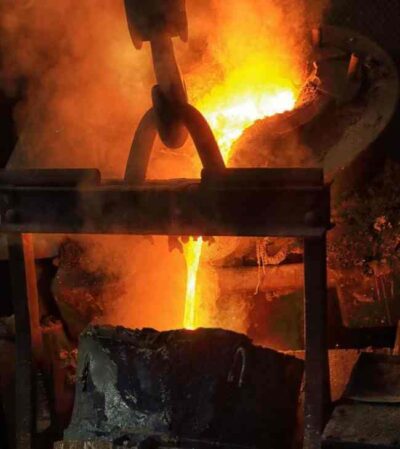
How to Select the Appropriate Induction Furnace for Iron Melting
There are different induction melting furnace types available to meet distinctive requirements. Interchanging an approach without considering your specifications may result in a disaster. Find out the main types below.
01. Different Induction Melting Furnace Types
a. Coreless Induction Furnaces
It’s flexible for batch melting. Foundries can handle varied alloys. The capacity ranges from less than 1 kg to over 100 tons.
b. Channel Induction Furnaces
It’s designed for continuous melting. The furnace is more efficient for large-scale steel/iron production.
c. Portable/Small Induction Furnaces
It has uses in laboratories or workshops for small-scale iron melting. I would like to make you aware that FOCO has mini induction furnaces.
02. Assessing Production Needs
a. Capacity Requirements
Small workshops may need a 5 – 100 kg capacity. Industrial foundries often require 1 – 50 tons per batch.
b. Calculating Needs
Estimate daily/weekly melting volume. Count alloying requirements (carbon, silicon, manganese). Consider future scalability when choosing a furnace slightly above current needs to prevent bottlenecks.
c. Material Specifications
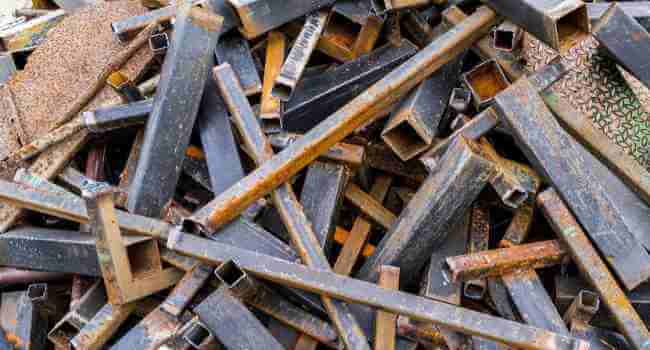
Scrap iron and steel, pig iron, or sponge iron must be compatible with the furnace design. Coreless furnaces handle mixed scrap better, whereas channel furnaces excel with consistent feedstock.
03. Investment Cost
Initial expenses cover a large portion of your entire investment. It starts with the equipment purchase (induction furnace, water cooling system) costs. Then, you’ll have to invest in infrastructure while also spending on the electrical grid (transformers and more).
04. Operating Costs
Even the operating cost may seem burdensome without the right approach. Electricity consumption and consumable costs (crucibles and furnace lining materials) are more or less significant.
05. Environmental Impact
Focus on energy efficiency (insulation and power control) first. Emission reduction systems (scrubbers and filters) can be costly. Your overall sustainability features should balance the furnace size, power needs, and metal type to minimize heat loss.
FOCO: The Stand-Out Option
FOCO Induction has established itself as a global leader in induction melting solutions. It offers iron and steel melting furnaces ranging from 1 kg to 10 tons in capacity.
You can get coreless induction furnaces specifically designed for iron/steel melting. Get free technical support to optimize productivity and reduce costs.
Common Mistakes to Avoid with Induction Furnace Melting
01. Using Contaminated or Wet Scrap
Mistake: Charging scrap iron with rust, oil, paint, or moisture. Expect steam explosions when submerged in molten iron. Contaminants increase slag volume and reduce metal purity.
Fix: Always clean and dry the scrap before charging. Preheat scrap to remove moisture to save energy and improve safety.
02. Overheating the Furnace
Mistake: Running the furnace beyond iron’s melting point (1538°C) for too long. It burns off alloying elements. Wasted energy on the final product comes with reduced mechanical properties.
Fix: Use digital pyrometers and thermocouples for precise temperature monitoring. Implement automated power control systems.
03. Neglecting Refractory Lining Maintenance
Mistake: Ignoring cracks or erosion in the refractory lining. It leads to dangerous leaks of molten iron. Even the furnace lifespan gets affected.
Fix: Inspect the lining after every batch first. Then, patch minor cracks with refractory repair kits instead of waiting for full relining.
04. Improper Charging Practices
Mistake: Dropping a large, sharp scrap directly into the crucible. It initiates mechanical damage to the refractory lining. Uneven melting and the risk of spillage also rise.
Fix: Use hydraulic charging machines for smoother loading. Charge progressively as the initial batch melts.
05. Skipping Quality Control Checks
Mistake: Pouring molten iron without spectrometric analysis or slag removal. It can produce defective castings. Even an increase in rework costs to lower the customer trust.
Fix: Perform spectrometric analysis at multiple stages (early, mid, pre-pour). Skim slag regularly using fluxes like lime or fluorspar.
06. Ignoring Safety Protocols
Mistake: Operating without proper PPE or emergency readiness. It comes with a higher risk of burns, inhalation injuries, and accidents.
Fix: Enforce PPE compliance (aluminized suits, insulated gloves, face shields). Conduct regular safety drills.
07. Poor Maintenance/Monitoring
Mistake: Waiting for breakdowns instead of proactive maintenance. You’ll have to face unexpected downtime that may incur higher repair costs.
Fix: Use IoT-based sensors to monitor coil temperature and refractory wear. Schedule predictive maintenance.
Frequently Asked Questions (FAQs)
- Can induction furnaces melt all types of iron?
Yes. They can melt pig iron, cast iron, and scrap iron. An induction furnace is a versatile option for recycling and alloy production.
- How long does it take to melt iron in an induction furnace?
Depending on furnace size and power, 50 – 100 kg of iron melts in 30 – 60 minutes. However, industrial furnaces can process tons in under 2 hours.
- What is the typical efficiency of induction furnaces compared to traditional furnaces?
Induction furnaces achieve 65% – 75% energy efficiency. It’s notably higher than 40% – 50% in cupola furnaces.
- Do induction furnaces require special installation?
Yes. FOCO provides installation drawings. Experienced customers can complete the installation easily. We also offer on-site installation services for newcomers and large, complex systems.
- What is the lifespan of an induction furnace crucible?
Crucibles may last 250 – 400 heats. Proper maintenance and charging practices can help extend the life up to 500+ heats.
Conclusion
Applying brute heat to melt iron no longer cuts it. You must take precision, efficiency, and safety into account. We hope that you now understand how to use an induction furnace to melt iron and steel. The message remains clear: induction furnaces should be your choice for satisfactory iron melting.
Invest in the Best Possible Induction Furnaces with FOCO
FOCOINDUCTION, a comprehensive induction heating manufacturer, has been in the game for 23 years. We guarantee top-tier equipment for an optimal solution for your needs. Contact us to reach our induction furnace experts for solutions on how to melt iron and steel.