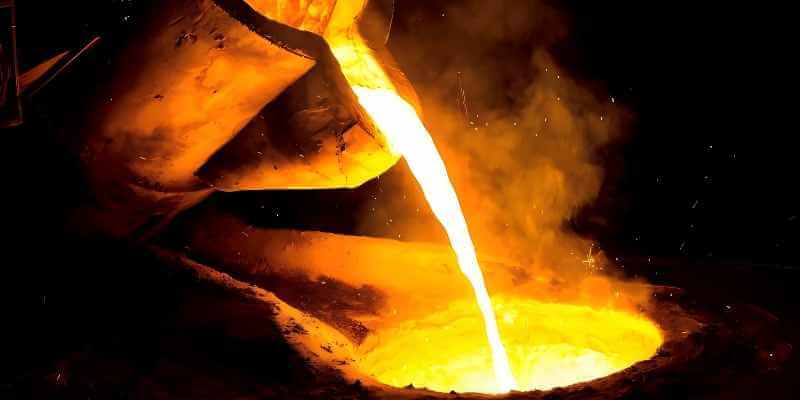
Steel melting is the foundation of modern industry, powering everything from skyscrapers to cars. Without this critical process, transforming raw materials into high-performance steel would be impossible.
So, why does steel melting matter so much? First, it directly impacts the quality, strength, and cost of the final product. Second, different industries rely on specific steel grades, each requiring precise melting techniques. Whether it’s construction beams or aerospace alloys, the right melting method makes all the difference.
In this guide, we’ll break down the key steel melting processes—induction, electric arc, converter, and vacuum melting—and explain how each works. You’ll learn their pros, cons, and best applications. Plus, we’ll cover practical tips for optimizing efficiency and safety.
Ready to dive deeper? Let’s explore how steel goes from solid scrap to molten metal—and why mastering this process is essential for manufacturers worldwide.
Basics of Steel Melting
Steel melting forms the foundation of modern metallurgy, transforming raw materials into the high-performance alloys that build our world. Understanding this process is crucial because it directly determines the quality, strength, and cost-effectiveness of the final product.
Whether you are producing structural beams or precision aerospace components, mastering these fundamentals makes all the difference.
Melting Point of Steel
At its core, steel melting begins with understanding temperature requirements. While pure iron melts at 1538°C, the addition of carbon (typically 0.02-2.11%) lowers this threshold significantly.
In practice, most steels melt between 1450°C and 1520°C—a range that varies based on composition. For example:
- Carbon acts as a melting point depressant, allowing easier liquefaction
- Chromium and nickel have the opposite effect, slightly raising the required temperature
- Manganese and silicon produce more moderate effects on heat resistance
These variations explain why alloy steels often require different melting approaches than plain carbon steels.
The Science Behind Steel Melting
The transformation occurs through two simultaneous processes:
- Physical change where thermal energy overcomes metallic bonds, turning the orderly crystal structure into a free-flowing liquid
- Chemical reactions that purify and modify the composition, including:
- Decarburization to control carbon content
- Desulfurization to remove harmful impurities
- Dephosphorization for enhanced ductility
Explore more about desulfurization of steel.
How to Melt Steel
Different steel melting techniques serve distinct purposes. Induction melting excels for precision alloys, while electric arc furnaces dominate scrap recycling. Vacuum melting creates ultra-pure metals, and converters handle mass production.
Each method balances cost, quality, and scale—let’s examine them in detail, starting with induction melting.
Induction Steel Melting
Steel melting through induction melting offers one of the most efficient and precise methods for producing high-quality alloys. This process uses electromagnetic fields to generate heat directly within the metal, resulting in faster melting times and superior purity compared to traditional methods.
Let’s break down how it works, where it’s used, and what makes it special—along with some important safety considerations.
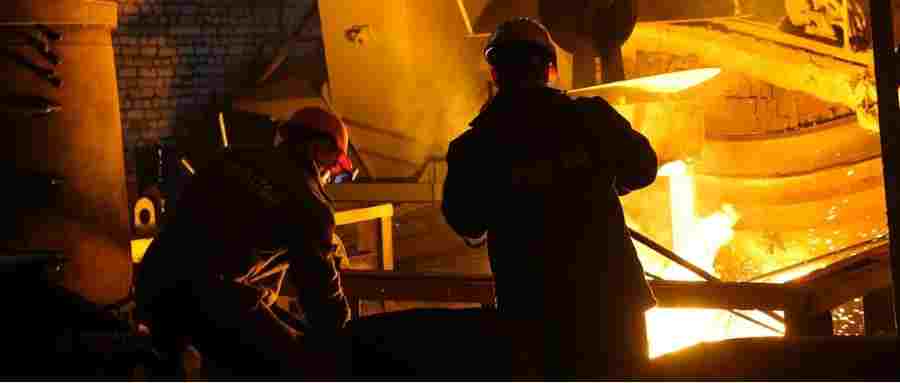
Detailed steel melting steps:
- Raw Material Preparation
The process starts with carefully selected scrap steel or alloys. Workers sort and clean the materials to remove contaminants like oil or dirt. Preheating the metal to about 300-500°C reduces energy waste during melting.
- Charging the Crucible
Operators load the preheated metal into a refractory-lined crucible. Proper distribution is key—uneven stacking can cause hot spots or uneven melting.
- Melting Stage
When power flows through the induction coil, it creates a strong magnetic field. This generates eddy currents inside the metal, heating it rapidly to over 1500°C in minutes. Unlike flame-based methods, induction heating is direct and highly controllable.
- Refining the Molten Steel
Once melted, argon gas bubbles through the liquid steel to remove impurities like oxygen and sulfur. Temperature sensors keep the heat within ±5°C of the target—critical for alloy consistency.
- Tapping and Casting
The furnace tilts to pour the molten steel into molds or a continuous casting system. This step determines the final product form—whether ingots, bars, or specialized components.
Application scenarios:
Induction melting delivers outstanding results for applications requiring rapid, controlled heating with minimal contamination.
This method proves particularly effective for stainless steel production, where its rapid heating minimizes chromium oxidation compared to traditional methods. The precise temperature control also makes it ideal for tool steel manufacturing, allowing exact heat treatment of complex alloys.
For specialty applications like high-performance automotive components or medical instruments, induction melting provides the perfect speed and quality.
Advantages of induction steel melting:
- Speed & Precision: Reaches extreme temperatures fast with tight control (±5°C).
- Cleanliness: Less slag and oxidation vs. arc furnaces—ideal for reactive metals.
- Flexibility: Easy to switch alloys, great for small-to-medium batches.
Disadvantages of induction steel melting:
- Energy Costs: High electricity use makes it expensive for bulk production.
- Size Limits: Most induction furnaces handle under 20 tons—unsuitable for mass steelmaking.
Safety precautions of induction steel melting:
- Electrical Checks: Inspect coils, cables, and grounding daily to prevent shocks.
- Heat Gear: Wear flame-resistant suits, face shields, and gloves at all times.
- Splash Guards: Maintain barriers—molten metal sprays can cause severe burns.
- Gas Safety: Ventilate the area and monitor for carbon monoxide buildup.
- Cooling Systems: Confirm water cooling lines are clean and flowing to avoid furnace damage.
- Emergency Prep: Know where the shutdown buttons are and practice response drills.
Induction melting isn’t just about turning solid metal into liquid—it’s about doing it smarter, cleaner, and with unmatched precision. While the costs and scale limits mean it’s not for every application, its advantages make it the gold standard for high-end alloy production.
See FOCO Induction melting furnace application- Induction Melting Steel 600 kg.
Vacuum Induction Steel Melting
Vacuum Induction Melting (VIM) delivers exceptional purity for critical alloys. This process primarily serves aerospace, nuclear, and medical applications where minute gas contents and inclusions must be eliminated.
Detailed Steel Melting Steps:
- Raw material preparation
Operators use high-purity raw materials to minimize gas inclusions. Additionally, they meticulously clean all material surfaces to remove contaminants.
- Charging
Workers load the prepared materials into a water-cooled copper crucible. Next, they seal the vacuum chamber tightly. Subsequently, the system evacuates air to achieve a high vacuum level of 10⁻²~10⁻⁴ Pa, thereby preventing metal oxidation.
- Melting stage
A high-frequency (typically 50-10,000 Hz) alternating current passes through the induction coil, generating eddy currents that rapidly heat the metal to 1500-1700°C. The self-heating effect ensures uniform melting while minimizing contamination.
- Refining stage
The vacuum environment actively extracts dissolved gases, reducing hydrogen to ≤1 ppm and oxygen to ≤5 ppm. Technicians then add reactive elements like aluminum or titanium late in the cycle to minimize volatilization loss. Finally, electromagnetic or argon gas stirring ensures uniform composition and temperature in the molten metal.
- Casting
Finally, operators cast the refined steel. Options include ingot casting or continuous casting, often employing directional solidification technology. Careful control of the cooling rate is essential to prevent segregation.
Click to learn more about ingot casting.
Application scenarios:
VIM is indispensable for producing aerospace-grade superalloys, nuclear reactor components, and medical-grade surgical steels–applications demanding extremely low gas and inclusion content.
Advantages of VIM:
- Ultra-High Purity: Removes dissolved gases (H₂, O₂ ≤ 1-5 ppm) and minimizes non-metallic inclusions, critical for aerospace/nuclear alloys.
- Controlled Alloying: Prevents oxidation of reactive elements (Al, Ti), ensuring precise composition.
- Superior Microstructure: Reduces elemental segregation and enhances mechanical properties.
Disadvantages:
- Extremely Expensive: Requires massive investment in equipment (>$50M+) and incurs high operational costs.
- Slow Process: Achieving and maintaining high vacuum, along with thorough degassing, significantly extends melting times.
Safety Precautions for Vacuum Induction Melting (VIM) of Steel
- Vacuum System Safety: Operators should inspect vacuum pumps, valves, and seals regularly to ensure system integrity and prevent leaks or explosion risks.
- High-Temperature Protection: Personnel must wear full heat-resistant gear, including gloves, face shields, and protective clothing, to avoid contact with hot components.
- Gas Safety: Ensure proper ventilation when using inert gases like argon. Furthermore, continuously monitor hydrogen levels to prevent explosion hazards.
- Electrical Safety: Technicians need to check the insulation of high-frequency power supplies and induction coils frequently to prevent high-voltage breakdown accidents.
- Cooling System: Verify proper operation of the water-cooling system consistently to prevent equipment overheating and failure.
- Emergency Shutdown: All personnel must familiarize themselves with emergency stop locations. Immediately cut power in case of any abnormalities.
Electric Arc Furnace Melting
Electric Arc Furnace (EAF) melting efficiently recycles scrap steel into new products. This method dominates steel recycling worldwide due to its adaptability and scalability.
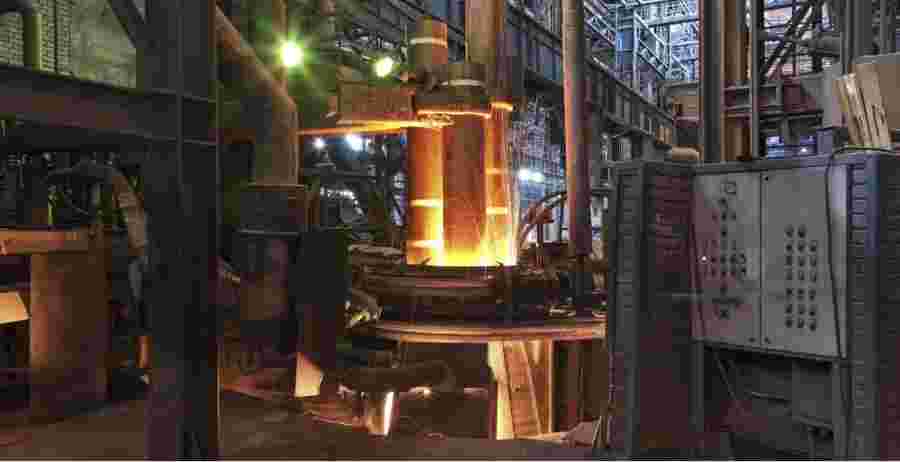
Detailed melting steps:
- Raw material preparation: Workers meticulously sort scrap steel and often blend it with direct reduced iron (DRI) or pig iron to optimize chemistry.
- Charging: Operators then load the prepared materials into the furnace, using layered or mixed filling strategies to maximize thermal efficiency.
- Melting: Powerful graphite electrodes generate intense arcs, rapidly heating the charge to over 3000°. Simultaneously, operators blow oxygen into the furnace to accelerate melting and begin decarburization.
- Refining: After melting, technicians form a slag layer for essential desulfurization and dephosphorization. They dynamically adjust slag basicity (CaO/SiO₂ ratio) during oxygen blowing for precise decarburization control.
- Tapping: Finally, operators tap the molten steel. They typically make final alloying adjustments and transfer the steel to a ladle furnace (LF) for further refining.
Application scenarios:
EAF melting is the core process for large-scale scrap steel recycling plants and the primary production method for ordinary steel grades like rebar and structural sections.
Advantages:
- Scrap-Based Recycling: Highly eco-friendly, enabling near 100% scrap utilization.
- Fast & Scalable: Achieves extremely high temperatures (3000°C+) for rapid melting cycles, ideal for mass production.
- Flexible Raw Materials: Accommodates various feedstocks, including scrap, DRI, and pig iron.
Disadvantages:
- High Energy Use: Depends heavily on grid electricity, leading to significant operational costs and a variable carbon footprint.
- Slag & Impurities: Generates substantial slag waste and requires intensive refining processes for desulfurization and deoxidation.
Safety Precautions for EAF Steel Melting
- Electrical Safety: Inspect electrodes, cables, and transformer insulation rigorously; ensure proper grounding to prevent electric shocks.
- High-Temperature Protection: Always wear certified heat-resistant suits and specialized goggles to shield against intense arc radiation and molten metal splashes.
- Dust and Fume Protection: Ensure dust collection systems are fully operational; mandate respirator use during furnace operation.
- Noise Protection: Require workers to use professional earplugs or earmuffs to mitigate high noise exposure.
- Electrode Management: Regularly inspect electrode clamping systems to prevent dangerous breakage incidents.
- Emergency Shutdown: Ensure all personnel know emergency power cutoff procedures and prepare adequate cooling measures for critical situations.
Converter Melting
Basic Oxygen Furnace (BOF) melting enables ultra-efficient, large-volume steel production. This integrated process primarily transforms blast furnace hot metal into liquid steel at unmatched speeds.
Detailed melting steps:
- Raw material preparation: Operators first pretreat blast furnace hot metal to remove sulfur. They also prepare scrap steel, typically limiting it to ≤15% of the total charge.
- Charging: Workers then pour the hot metal into the converter vessel and add the prepared scrap steel.
- Melting: Next, a high-pressure oxygen lance blows pure oxygen onto the molten bath. This oxidizes carbon, silicon, and manganese rapidly, achieving >90% decarburization efficiency.
- Refining: Technicians dynamically adjust the composition while injecting inert gas through bottom gas injectors. This stirring ensures uniform temperature and composition throughout the melt.
- Tapping: Finally, operators tilt the converter to pour the molten steel. The steel often undergoes vacuum degassing (e.g., the RH process) for further purification.
Application scenarios:
Converter melting is essential for integrated steel plants producing construction steel (rebar, beams) and other high-volume products requiring blast furnace hot metal.
Advantages:
- High Efficiency: Oxygen blowing enables exceptionally fast decarburization (>90%), shortening processing time.
- Low Cost: Delivers the lowest production costs per ton for large-scale operations.
- Integrated Process: Seamlessly connects with blast furnace hot metal production.
Disadvantages:
- Dependent on Hot Metal: Requires a continuous blast furnace supply and permits minimal scrap usage.
- Pollution Risks: Generates significant CO₂ emissions and slag waste, demanding advanced gas recovery systems.
Safety Precautions for BOF Steel Melting:
- Oxygen Operation Safety: Rigorously inspect oxygen lance seals and cooling water flow to prevent backfire explosions.
- High-Temperature Protection: Maintain safe distances from the converter; mandate full heat-resistant gear to block molten metal splashes.
- Gas Monitoring: Install real-time CO detectors with alarms to prevent carbon monoxide poisoning.
- Furnace Inspection: Measure lining thickness before each heat; maintain tilting mechanisms to avoid catastrophic leaks.
- Material Safety: Verify absolute dryness of scrap steel and hot metal to eliminate moisture-triggered explosions.
- Emergency Procedures: Train all personnel in oxygen lance emergency protocols and stage emergency response equipment nearby.
How to Choose Steel Melting Equipment?
Selecting the right melting equipment is critical for operational efficiency and product quality. After mastering fundamental steel melting techniques, apply these decisive criteria to match technology with your specific needs:
1. Raw steel material type:
Your primary feedstock directly determines viable technologies. Electric Arc Furnaces (EAF) deliver maximum flexibility for operations using ≥90% scrap steel, efficiently processing shredded vehicles or industrial waste.
Conversely, hot metal from blast furnaces requires Basic Oxygen Furnaces (BOF) , which chemically refine liquid iron with oxygen injection.
Exotic alloys demand exceptionally clean melting environments. Examples include aerospace-grade sponge titanium and electrolytic nickel. For these materials, Induction Furnaces or Vacuum Induction Melting (VIM) systems prevent contamination during initial melting stages.
2. Steel Production scale:
Production volume thresholds eliminate unsuitable options. Induction Furnaces (typically 0.5-50 tons) and VIM units (<20 tons) excel in small-batch specialty production like medical implants or superalloy turbine blades.
Conversely, EAFs dominate mid-to-large scale (50-400 tons) operations such as mini-mills producing rebar or structural beams. For massive integrated plants exceeding 200-ton batches, BOF converters provide unmatched throughput for construction-grade steel.
3. Steel Quality Requirements:
Purity demands directly determine equipment selection strategies. For components needing gas content below 5 ppm, like nuclear reactor internals, operators initiate melting in standard Induction Furnaces before transferring to VIM purification. This staged approach achieves critical hydrogen levels ≤1 ppm while managing investment costs effectively.
Conversely, cost-driven commodity production accepts higher impurity tolerance. Electric Arc Furnaces deliver economical solutions for applications like concrete reinforcement bars, where oxygen levels of 80-120 ppm and nitrogen up to 100 ppm meet ASTM standards.
Material specifications ultimately dictate this balance between premium purity technologies and cost-efficient production methods.
4. Environmental protection:
Regulatory pressures increasingly determine viable technologies. In regions with strict emissions limits, Electric Arc Furnaces (EAFs) require integration with advanced baghouse filters or scrubbers. These systems capture ≥99% of dust particles.
However, Induction Furnaces inherently avoid combustion exhaust entirely, eliminating this emission source.
BOF converters implement energy recovery through sub-lance probes that preheat scrap using waste gas, cutting fuel consumption by 15%. Conversely, induction furnaces rely on closed-loop water cooling systems to recycle thermal energy.
Equipment comparison table:
| Equipment Type | Advantages | Disadvantages | Application Scenarios |
|---|---|---|---|
| Induction Furnace | High purity, strong automation, precise composition control | High cost, small capacity, reliance on electricity | Specialty steel, stainless steel, small-batch high-value-added steel grades |
| Electric Arc Furnace | Flexibility, high scrap utilization, short construction cycle | High energy consumption, loud noise, high carbon emissions | Scrap recycling, ordinary steel production, small and medium-sized steel mills |
| Converter | High efficiency, large-scale production, low cost | Dependence on blast furnace hot metal, low flexibility, weak desulfurization capability | Construction steel, mass-production steel mills, large steel plants reliant on hot metal |
| Vacuum Induction Melting Furnace (VIM) | Extreme purity, alloy element burn-off rate <5%, suitable for trace element control | Extremely high cost, small capacity, long production cycle | Aerospace-grade alloys, nuclear power materials, medical-grade steels, and other high-end specialty steels |
Selecting optimal steel melting equipment demands balancing material inputs, scale targets, quality thresholds, and environmental constraints. This strategic alignment ensures operational viability while meeting technical specifications. Once equipment is finalized, attention must shift to key process parameters that directly impact efficiency and quality.
Key process parameters
Controlling critical variables ensures consistent quality and efficiency during steel melting. Mastering these parameters directly impacts productivity, cost, and final material performance across all furnace types.
Temperature Control
Effective thermal management begins with rapid heating strategies. Operators consistently heat metal charges to 1500°C+ within minimal timeframes. This approach significantly reduces oxidation losses while accelerating production cycles.
During refining, technicians maintain precise temperature stability (±5°C) through automated control systems. Such accuracy prevents volatile element vaporization and ensures proper slag formation.
Modern infrared sensors continuously monitor bath conditions, triggering immediate power adjustments when deviations occur.
Composition Adjustment Protocols
Strategic alloying sequences ensure optimal material properties. Workers always add deoxidizers first—typically ferrosilicon or ferromanganese—to lower oxygen activity before introducing alloying elements.
Chromium and nickel additions follow only after establishing adequate deoxidation. Crucially, aluminum additions occur immediately before tapping to prevent high-temperature volatilization losses.
Real-time spectrometers verify composition every 10-15 minutes, enabling instant corrective additions when needed.
Slag Management Techniques
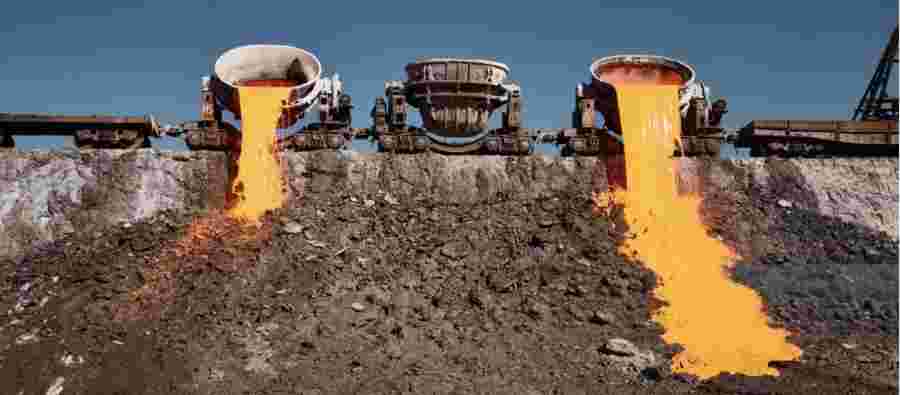
Optimized slag practices balance purification and operational efficiency. Metallurgists maintain strict basicity control (CaO/SiO₂= 2.5-3.5) throughout refining. This critical ratio maximizes desulfurization while ensuring proper fluidity for metal-slag separation.
Meanwhile, operators carefully limit slag volume to less than one-third of furnace height. Excessive slag thickness causes problematic metal entrapment, directly reducing final yield. Regular slag samples confirm viscosity and chemical targets during processing.
Gas Content Mitigation
Dissolved gas control prevents critical defects in final products. Hydrogen levels must stay below 2 ppm to avoid dangerous “fish scaling” surface defects during rolling. Similarly, oxygen content under 15 ppm minimizes non-metallic inclusions that weaken steel.
Operators deploy vacuum degassing systems when extreme purity is required, effectively extracting dissolved gases to ultra-low levels. For standard operations, argon bubbling through porous plugs provides economical dissolved gas reduction through buoyant bubble flotation.
Successful melting demands coordinated parameter management. Temperature stability directly enables precise alloying timing – excessive heat ruins aluminum addition effectiveness. Slag performance depends completely on maintained basicity and temperature ranges.
Meanwhile, gas removal efficiency increases when argon stirring aligns with optimal thermal conditions. Modern furnaces interconnect these systems through central control units that automatically adjust power, gas flows, and material additions based on continuous sensor data.
This integrated approach transforms independent variables into a unified quality assurance system.
While optimized parameter control establishes a robust melting foundation, induction furnaces present unique operational challenges. The following section addresses common issues in induction melting with proven solutions.
Common Problems and Solutions in Steel Melting
Persistent operational challenges demand systematic solutions across all steel melting processes. This section details evidence-based interventions for five core failure categories.
1. Uneven Temperature Distribution
Causes:
Induction coil design flaws creating magnetic field imbalances
Inadequate gas stirring (<0.5 Nm³/ton argon in EAF/BOF)
Thermocouple calibration drift exceeding ±2%
Consequences:
Localized solidification causing macro-inclusions
Alloy segregation exceeding 8% concentration variance
Solutions:
Redesign induction coils for ±5% magnetic field uniformity
Increase inert gas injection to 0.8-1.2 Nm³/ton
Implement weekly thermocouple validation protocols
2. Excessive Alloy Element Loss
Causes:
Premature addition of Al/Ti/B during oxidation phase
Oxygen blowing rates >30 Nm³/ton during refining
Slag basicity (CaO/SiO₂) < 2.0
Consequences:
Aluminum burn-off reaching 25-40%
Titanium recovery below 60% specification
Solutions:
Delay reactive element additions until ≤5 minutes pre-tap
Optimize oxygen blowing to ≤22 Nm³/ton
Maintain slag basicity at 2.8-3.2 with quicklime additions
3. Slag Entrapment Yield Loss
Causes:
Slag layer thickness >35% of bath depth
Incorrect viscosity (basicity <2.2 or >3.8)
Suboptimal skimming frequency
Consequences:
Metal losses of 0.8-1.5% per heat
Inclusion defects in rolled products
Solutions:
Automate slag control at ≤25% bath depth
Adjust viscosity with CaF₂ additions (2-4 kg/ton).
Install electromagnetic slag detection sensors
4. Accelerated Refractory Wear
Causes:
Thermal shocks (>50°C/minute ramping)
Chemical corrosion from FeO-rich slag (>18%)
Erosion at slag-line zones
Consequences:
Lining degradation >8mm/heat
Unplanned downtime every 80-100 heats
Solutions:
Limit temperature ramps to ≤30°C/minute
Upgrade to MgO-C bricks (EAF) or Al₂O₃-ZrO₂ linings (induction)
Laser-scan refractory thickness post-cooling
5. Gas-Related Product Defects
Causes:
Charge moisture content >0.5%
Degassing duration <12 minutes
Hydrogen pickup >3.5 ppm
Consequences:
Subsurface blowholes in 15% of castings
“Fish scaling” during hot rolling
Solutions:
Preheat charge materials to 300°C for 2+ hours
Extend argon stirring to 15-20 minutes
Implement vacuum degassing for critical grades
Proactive parameter control and targeted equipment upgrades deliver measurable improvements: Temperature uniformity enhancements reduce alloy loss by 67%, while optimized refractories increase campaign life 68%.
Hydrogen defects decrease 57% through systematic degassing. For sustained results, integrate real-time monitoring of slag thickness, alloy recovery, and refractory wear into central dashboards.
Program automatic shutdown triggers for critical thresholds like lining thickness <75 mm. This holistic approach transforms isolated solutions into a unified failure-prevention system, maximizing yield while minimizing operational disruptions.
Conclusion
Steel melting isn’t just science—it’s where raw potential transforms into the bones of our world. Every skyscraper, car, and precision tool begins with this fiery alchemy.
Whether you’re recycling scrap in an EAF or crafting aerospace alloys in a VIM furnace, mastering these processes means balancing art and engineering.
Now that you’ve seen how the magic happens, imagine what you could create with equipment designed for precision, efficiency, and reliability.
Ready to level up your melting game? Discover how FOCO Induction‘s furnaces turn your vision into molten reality.