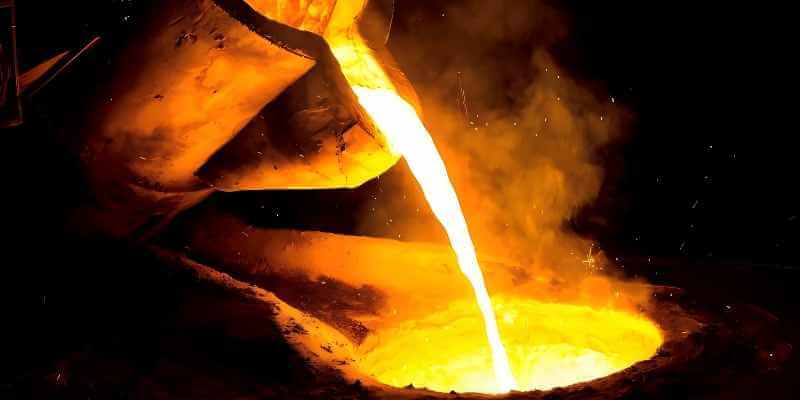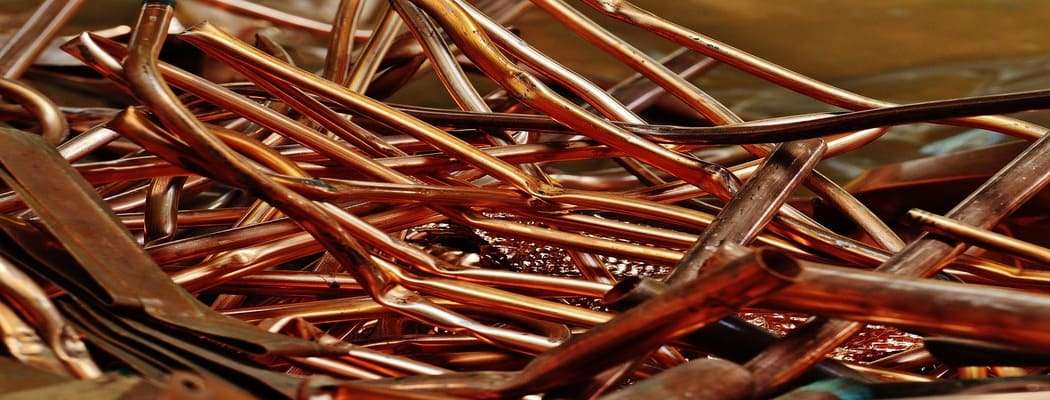
Scrap copper recycling plays a vital role in modern industry and sustainability. Copper has been called the “red metal” since ancient times. Today, it remains a cornerstone of civilization. This versatile metal powers everything from electronics to renewable energy systems.
Its demand keeps growing, making scrap copper both a valuable resource and an environmental challenge if not handled properly.
This blog will guide you through the essentials—how to classify, recycle, and reuse scrap copper efficiently. We’ll explore its market value, environmental benefits, and the latest recycling technologies.
Whether you’re a hobbyist or a business owner, understanding scrap copper helps you contribute to a greener economy. Let’s dive in and turn waste into worth.
Types of Scrap Copper
Copper recycling begins with knowing your materials. The red metal comes in several distinct forms, each with its own value and recycling requirements. Let’s break down the main categories you’ll encounter in the scrapyard.
Pure copper scrap:
Pure copper scrap stands at the top of the value chain. You’ll recognize it in everyday items like electrical wiring, plumbing pipes, and roofing sheets. These materials boast at least 99% copper content, making them the most sought-after by recyclers.
Bright, shiny copper wire without insulation typically commands the highest prices, while tarnished pieces may need cleaning to reach full value. Many recyclers keep their pure copper separate from other grades to maximize returns.
Copper alloy scrap:
Moving down the purity scale, we find copper alloys—materials where copper mixes with other metals to create specialized properties. Brass, the golden-colored alloy of copper and zinc, appears frequently in plumbing fixtures, door hardware, and musical instruments.
Bronze, with its distinctive reddish-brown hue, shows up in marine components and artistic castings. Then there’s cupronickel, the silver-toned alloy used in coins and heat exchangers.
While these alloys contain less pure copper, they still hold significant value when properly sorted and prepared.
Copper composites:
The most challenging materials for recyclers are copper composites. These include items like circuit boards, motor windings, and copper-clad aluminum wire.
What makes them tricky is that the copper is tightly bonded with other materials, requiring specialized processing to extract. Many recycling facilities use advanced separation techniques like eddy current systems or chemical baths to recover the copper from these complex items.
Smart recyclers know that preparation makes all the difference. Taking time to sort materials by type and remove contaminants can significantly boost your payout.
For wiring, stripping off the insulation reveals the valuable copper inside. Removing steel fittings from copper pipes ensures you’re not paying to recycle someone else’s scrap iron. Even simple steps like keeping different alloys separate can mean the difference between a good payday and a great one.
The copper recycling market constantly evolves, with prices fluctuating based on global demand and mining output.
By understanding these material categories and staying informed about market trends, you can make smarter decisions about when and how to recycle your copper scrap.
In our next section, we’ll explore the actual recycling process and how different facilities turn scrap into reusable copper.
How to Recycle Copper Scrap
Scrap copper recycling is a multi-step process that transforms discarded copper materials into reusable forms. The main stages include collection, sorting, pretreatment, smelting, refining, and ingot casting.
Among these, melting stands out as the most crucial step that determines the quality and efficiency of the entire recycling operation.
If you have problems melting copper, click here to find out how to solve it.
Step 1: Collection and Sorting Scrap Copper
The first step in copper recycling begins with gathering scrap from various sources.
Industrial facilities generate machining scraps and production waste, while construction sites yield dismantled copper pipes and wiring. Electronic waste, including old wires and circuit boards, represents another significant source of copper scrap.
Sorting methods vary depending on the material type and facility capabilities. Workers often begin with manual sorting to separate large, identifiable pieces.
Magnetic separation removes ferrous metals, while eddy current technology separates non-ferrous metals. Advanced facilities may use X-ray fluorescence (XRF) analyzers to identify specific metal compositions quickly.
Step 2: Pretreatment
Before melting, scrap copper undergoes essential preparation steps. Large copper pieces require size reduction through crushing or cutting, making them suitable for furnace charging.
Wires and cables need insulation removal, which can be achieved through mechanical stripping machines or chemical processes.
Cleaning is equally important to eliminate contaminants. Oily residues from industrial applications get removed through degreasing baths, while paint and coatings may require abrasive blasting. These steps prevent harmful gas formation during smelting and improve final product quality.
Step 3: Scrap Copper Melting
Melting is the crucial process that transforms scrap copper into reusable molten metal. This central step in copper recycling requires careful temperature control and proper equipment selection.
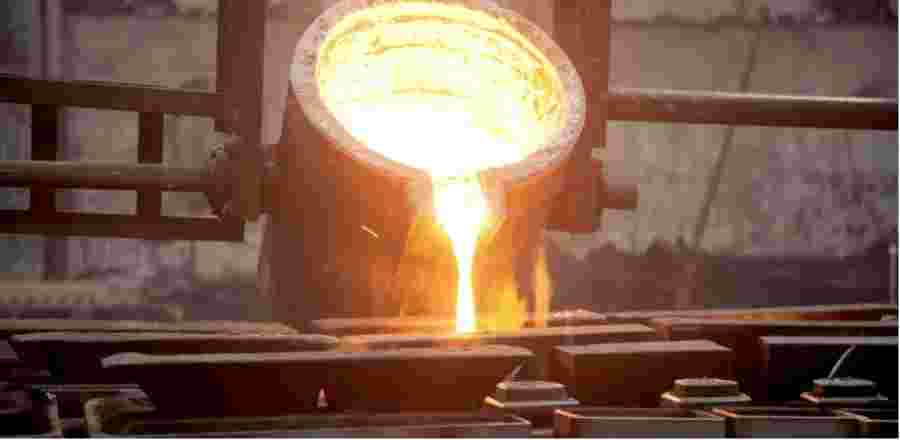
The industry primarily uses three types of furnaces—each designed for specific production scales and quality requirements. Understanding these melting methods helps recyclers maximize efficiency and product quality.
Learn how to melt copper step by step.
Reverberatory Furnace
Reverberatory furnaces play a crucial role in global copper recycling, with their batch processing capacity reaching up to 200 tons.
The heating system burns natural gas or fuel oil, generating flames that sweep across the furnace chamber. Temperatures reach 1400-1600°C—hot enough to melt copper within hours.
The melting process follows a carefully controlled sequence:
- Loading: Workers use heavy machinery to charge mixed copper scrap through side doors
- Heating: Rotating mechanisms ensure even heat distribution as temperatures rise
- Fluxing: Operators add borax-lime mixtures (about 2-5% of charge weight) to capture impurities
- Skimming: Workers remove the slag layer every 30-45 minutes using long rakes
- Tapping: Molten copper flows into molds, forming 300kg of anode plates
These industrial furnaces offer significant advantages for large operators:
- Unmatched capacity for processing bulk materials
- Flexibility to handle contaminated scrap (up to 15% impurities)
- Relatively low maintenance requirements
- Long service life (8-12 years with proper care)
Large-scale smelting operations run multiple reverberatory furnaces continuously to maximize efficiency. These furnaces operate around the clock to maintain optimal temperatures and production rates.
The resulting anode plates undergo electrolytic refining to reach 99.99% purity—the standard for electrical-grade copper. While energy-intensive, their ability to process large volumes of mixed scrap makes them the most cost-effective solution for industrial operations.
The high throughput and material flexibility justify the energy costs, keeping reverberatory furnaces as the backbone of copper recycling worldwide.
Induction Melting Furnace
Induction furnaces represent the premium choice for quality-focused copper recyclers. These units use electromagnetic induction to generate heat directly within the metal charge.
Unlike flame-based systems, induction furnaces achieve precise temperature control (±5°C) and minimal oxidation losses.
The high-purity melting process involves:
- Material preparation: Workers manually sort and thoroughly clean copper wires and strips to eliminate any impurities
- Charging: The furnace loads prepared material in batches (typically 1-10 tons)
- Melting: Power levels gradually increase to avoid thermal shock
- Refining: Nitrogen purging and flux additions (0.5-1.5%) remove trace elements
- Casting: Molten copper pours into continuous casting machines at 1150°C
Modern induction furnaces deliver exceptional performance metrics:
- Energy efficiency ratings exceeding 85%
- Oxidation losses below 2% (compared to 5-8% in flame furnaces)
- Ability to produce oxygen-free copper (OFC) with <10 ppm oxygen content
- Fast turnaround between batches (as little as 45 minutes)
Specialty copper producers in the electronics and electrical industries rely on induction melting for premium products. These include:
- Oxygen-free electronic grade copper (C10100)
- Silver-bearing copper alloys (C10400-C10800)
- High-conductivity bus bars and magnet wire
The clean operation and compact footprint make induction furnaces ideal for urban recycling facilities with strict emissions requirements.
See applications of copper melting in induction furnaces.
Shaft Furnace
Shaft furnaces provide an efficient solution for processing small copper scrap continuously. These vertical furnaces stand 4-6 meters tall with refractory-lined steel shells. Their countercurrent design creates excellent thermal efficiency by passing hot exhaust gases through incoming scrap.
The continuous operation sequence includes:
- Feeding: Conveyor systems automatically load shredded scrap (<5 mm) into the top hopper
- Preheating: Descending scrap absorbs heat from rising gases (600-800°C)
- Melting: Copper liquefies in the middle zone (1100-1200°C)
- Collection: Molten metal accumulates in the bottom well
- Tapping: Automated systems drain copper at preset intervals
Key performance characteristics include:
- 24/7 operation capability
- Thermal efficiency ratings of 50-60%
- Minimal manpower requirements (1 operator per shift)
- Compact footprint (about 25m² floor space)
Manufacturing plants install shaft furnaces to recycle in-house copper waste, such as:
- CNC machining chips
- Stamping press scrap
- Grinding dust and turnings
- Wire drawing residues
Major copper producers frequently utilize shaft furnaces at their production facilities to establish closed-loop recycling systems. The continuous output (typically 1-5 tons/hour) aligns well with ongoing manufacturing needs, while the simple operation reduces labor costs compared to batch furnaces.
Each furnace type serves distinct market segments in the copper recycling industry. Reverberatory furnaces dominate primary smelting, induction units excel in premium product manufacturing, and shaft furnaces optimize continuous scrap recovery.
Together, these technologies form a complete copper recycling infrastructure that supports global sustainability efforts while meeting diverse market demands for copper products.
Step 4: Copper Scrap Refining (Optional)
Some applications demand higher purity than standard smelting provides. Electrolytic refining boosts copper content to 99.99% by dissolving anode plates in acid solution and depositing pure copper on cathodes.
Fire refining offers an alternative for intermediate purity needs, using controlled oxidation to remove sulfur and other residuals.
Step 5: Ingot Casting
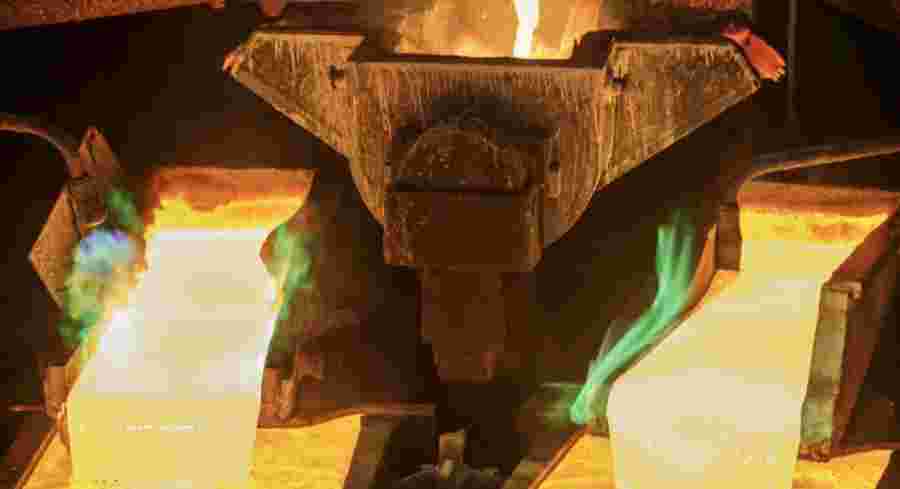
The last step shapes molten copper into usable forms. Traditional ingot casting pours metal into molds, creating 25 kg blocks for general industrial use.
Continuous casting produces rods and wires directly for electrical manufacturers. Some operations cast anode plates for further electrolytic refining into ultra-pure copper.
This comprehensive recycling process gives scrap copper new life across countless applications. From construction sites to electronics factories, recycled copper performs just as well as newly mined material. The next section explores these diverse uses that make copper recycling so valuable to modern industry.
What is Scrap Copper Used For?
Recycled copper performs just as well as newly mined copper, maintaining all its valuable properties. Thanks to its excellent conductivity, durability, and corrosion resistance, industries worldwide rely on recycled copper for countless essential applications. Let’s take a closer look at where this versatile material ends up after processing.
Electrical industry:
First and foremost, the electrical industry is the biggest consumer of recycled copper. Nearly 60% of all copper used goes into electrical applications.
Manufacturers transform scrap copper into high-quality wires, cables, and transformer windings because it offers superior conductivity, second only to silver.
Power transmission lines that stretch across continents, the wiring in your home, and even the intricate coils in electric vehicle motors frequently contain recycled copper. The material’s reliability makes it indispensable for electrical grids and renewable energy systems.
Construction industry:
In the construction sector, recycled copper plays multiple vital roles. Builders and architects value it for water supply lines, roofing materials, and decorative elements. Copper pipes dominate plumbing systems because they resist corrosion and bacterial growth better than alternatives.
Many modern buildings feature striking copper facades that develop a beautiful patina over time. Historical restoration projects often use recycled copper to maintain authenticity while being environmentally responsible.
Transportation industry:
The transportation industry heavily depends on recycled copper components. A typical automobile contains about 50 pounds of copper, mostly in wiring systems, radiators, and brake lines. Electric vehicles use nearly four times more copper than conventional cars.
Aircraft, trains, and ships all incorporate copper in their electrical and cooling systems. As transportation electrification accelerates, demand for recycled copper in this sector continues to grow dramatically.
Daily life:
Everyday household items frequently incorporate recycled copper. Modern kitchens feature copper cookware prized by professional chefs for its even heat distribution. Many musical instruments, particularly brass wind instruments, use copper alloys.
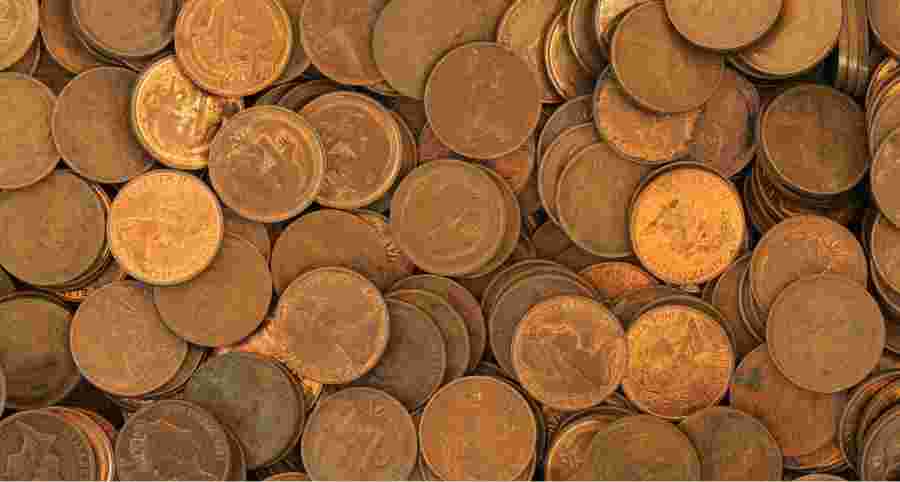
Even the coins in your pocket likely contain recycled copper. Artists value copper for sculptures and jewelry because it’s easy to work with and develops a beautiful natural finish.
The circular economy benefits enormously from copper recycling. Unlike many materials, copper can be recycled indefinitely without losing performance.
Today, about 35% of global copper demand is met through recycling, saving enormous amounts of energy compared to mining new copper. As recycling technologies improve, this percentage continues to rise, making copper one of the most sustainable industrial materials.
In summary, recycled copper touches nearly every aspect of modern life. It powers entire cities through electrical grids while operating in our smallest electronic devices.
You’ll find it in massive industrial machines as well as delicate works of art. This remarkable material proves its worth countless times every day through these diverse applications.
By choosing recycled copper products and properly recycling copper items, we all contribute to a more sustainable future while enjoying the benefits of one of humanity’s most useful metals.
Benefits of Scrap Copper Recycling
Recycling copper offers tremendous advantages that benefit our environment, economy, and society. Let’s examine these benefits in detail.
Environmental Value:
First, copper recycling provides major environmental benefits. Mining new copper requires moving massive amounts of earth—recycling saves 3-5 tons of ore for every ton of copper produced. This dramatically reduces landscape destruction and habitat loss.
The process also cuts carbon emissions by 65% compared to primary production. When we recycle copper, we prevent toxic materials from leaking into soil and water from landfills. These environmental protections help combat climate change while preserving natural resources.
Economic Benefits:
Economically, copper recycling makes excellent sense. Processing scrap copper costs 30-50% less than producing new copper from ore. The stable global demand for copper ensures reliable markets for recycled material.
Modern induction melting furnaces boost these savings further by using 85% less energy than traditional smelting. These cost efficiencies make recycled copper highly competitive while maintaining quality standards. Many manufacturers now prefer recycled copper because it delivers equal performance at lower prices.
Social Benefits:
Socially, copper recycling creates valuable opportunities. The recycling industry generates jobs at every stage—from collection and sorting to processing and manufacturing. These employment opportunities often appear in local communities, supporting families and regional economies.
Recycling also promotes a circular economy where materials get reused rather than wasted. This sustainable approach teaches responsible consumption while reducing waste in our neighborhoods. Many recycling programs partner with schools and community groups to raise environmental awareness.
Looking ahead, copper recycling will grow even more important. As global copper demand increases, recycling helps meet needs without exhausting finite resources.
New technologies continue improving recycling efficiency and expanding possible applications. Governments worldwide now recognize copper recycling as key to sustainable development goals.
In conclusion, copper recycling delivers a powerful triple benefit. It protects ecosystems while saving money and creating jobs.
By choosing recycled copper products and properly recycling copper items, everyone can contribute to these advantages. The more we recycle, the greater these benefits become for current and future generations.
Conclusion
Copper recycling represents a win-win solution for both economic growth and environmental protection. Through advanced sorting systems and energy-efficient melting technologies, we can transform scrap copper into high-quality materials while conserving natural resources.
The success of copper recycling depends on quality equipment and proper handling. Modern induction furnaces, like those from FOCO Induction, play a key role in this process by delivering precise temperature control and maximum energy efficiency.
Whether you’re an individual or a business, your participation matters. By choosing professional recycling services and reliable equipment providers, we can build a more sustainable copper industry together.
Remember to always work with certified recyclers, and when you need top-performance melting solutions, FOCO Induction stands ready to support your operations.