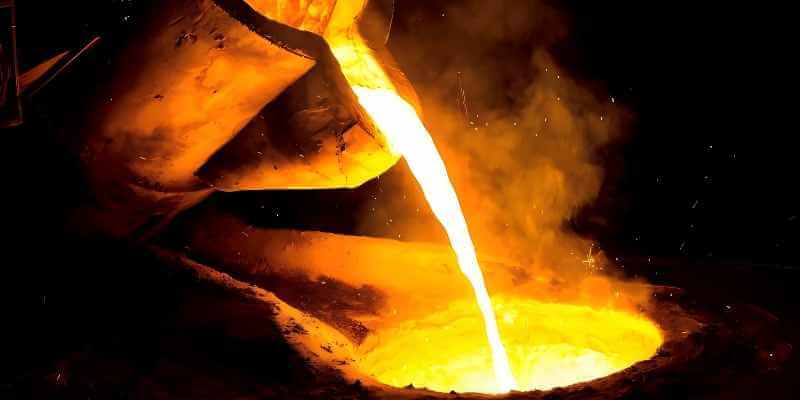
Copper alloy melting is essential in many industries. Pure copper has excellent conductivity, but we often mix it with other metals to improve strength, corrosion resistance, or casting performance. For example, adding zinc makes brass, while tin creates bronze.
This guide will help you understand key differences between pure copper and its alloys, especially their melting points. We’ll also cover the best tools and methods for melting each type.
Whether you’re a hobbyist or a professional, knowing these basics ensures safer and more efficient work.
Let’s start by comparing pure copper and common alloys.
Pure Copper vs. Copper Alloys
Copper and its alloys play a vital role in modern industry. While pure copper is widely used for its electrical and thermal conductivity, alloys enhance its strength, durability, and workability.
Different metals like zinc, tin, nickel, and phosphorus are added to create specialized materials for specific applications.
In this section, we’ll explore the key differences between pure copper and its major alloys. We’ll focus on their compositions, melting points, and unique characteristics.
Knowing these details helps in selecting the right material for your project and ensures proper melting techniques.
Pure Copper (C10100 – C11000)
Pure copper, also called electrolytic tough pitch (ETP) copper, contains at least 99.3% copper. It has a high melting point of 1083°C (1981°F), making it stable in high-temperature applications.
Key Properties:
- Excellent electrical and thermal conductivity (used in wires, transformers, and heat exchangers).
- Soft and flexible, simple to form, but not strong enough for demanding tasks.
- Prone to oxidation, forming a green patina over time (like the Statue of Liberty).
Applications:
- Electrical wiring and circuit boards.
- Plumbing pipes and roofing materials.
- Thermal management devices and industrial cooling equipment.
Since pure copper is relatively soft, we often alloy it for better performance.
Learn how to melt copper step by step.
Copper Alloys and Melting Points
Brass (Cu-Zn Alloy)
Brass contains copper and zinc, possibly with minor lead or tin additions. Its melting point ranges between 900–940°C (1652–1724°F), depending on zinc content.
Key Properties:
- Simpler machining compared to pure copper.
- Good corrosion resistance, especially in water applications.
- Higher strength but lower conductivity than pure copper.
Common Types & Uses:
- Cartridge Brass (C26000: 70% Cu, 30% Zn) – Applied in ammunition components and musical instruments.
- C36000 (Free-Cutting Brass, 60% Cu, 40% Zn + Pb)** – Ideal for plumbing fittings and valves.
Melting Tip: Zinc evaporates quickly above 907°C, so keep temperatures controlled and use a flux (like borax) to prevent zinc loss.
Explore further about application of borax in melting.
Bronze (Cu-Sn Alloy)
Bronze primarily consists of copper with 5–20% tin, occasionally including aluminum, silicon, or phosphorus. Its melting temperature ranges between 850–1000°C (1562–1832°F).
Key Properties:
- Greater strength and durability than brass.
- Outstanding seawater and corrosion resistance.
- Good casting properties for sculptures and bearings.
Common Types & Uses:
- C90300 Tin Bronze (88% Cu, 8% Sn, 4% Zn) – Employed in marine propulsion components and bushings.
- C95500 (Aluminum Bronze, 81% Cu, 11% Al, 4% Fe, 4% Ni) – High-strength industrial parts.
Melting Tip: Tin tends to separate, so stir the molten metal well before pouring.
Cupronickel (Cu-Ni Alloy)
Cupronickel (or “white copper”) contains nickel (10–30%), raising its melting point to 1170–1240°C (2138–2264°F).
Key Properties:
- Highly resistant to seawater corrosion.
- Retains strength at high temperatures.
- Serves marine and chemical sectors.
Common Types & Uses:
- C71500 (70% Cu, 30% Ni) – Ship hulls, condensers, and coins.
- C70600 (90% Cu, 10% Ni) – Heat exchangers and desalination plants.
Melting Tip: Requires high heat (induction or arc furnace) and inert gas shielding to prevent oxidation.
Phosphor Bronze (Cu-Sn-P Alloy)
Phosphor bronze adds phosphorus (0.01–0.5%) to tin bronze, improving strength and elasticity. Melting point: 850–950°C (1562–1742°F).
Key Properties:
- Excellent spring properties and fatigue resistance.
- Used in electrical contacts and precision parts.
Common Types & Uses:
- C51000 (95Cu-5Sn-0.2P) – Used for spring components, switches, and instrument strings.
Melting Tip: Phosphorus helps deoxidize the melt, but too much makes the alloy brittle—control additions carefully.
Each copper alloy has unique properties and melting requirements. Pure copper is best for electrical uses, while brass, bronze, cupronickel, and phosphor bronze offer specialized benefits.
The next section will cover the best melting methods for each alloy.
How to Melt Copper Alloys
Melting copper alloys is both an art and a science, requiring careful attention to temperature control, equipment selection, and safety measures.
Different alloys exhibit unique melting behaviors—some vaporize easily at relatively low temperatures, while others demand extreme heat or special protection from oxidation.
In this comprehensive section, we’ll explore in detail the best melting methods for brass, bronze, cupronickel, and phosphor bronze.
We’ll examine essential tools, flux selection, deoxidation techniques, and troubleshooting tips to help you achieve clean, high-quality melts consistently.
Whether you’re a hobbyist working in a backyard foundry or an industrial operator, understanding these principles will significantly improve your results.
Preparing Copper Materials
Proper material preparation is the foundation of successful copper alloy melting. Neglecting this step can lead to contaminated melts, porous castings, and even dangerous situations.
- Thorough cleaning process: Begin by removing all surface contaminants from scrap or raw materials. For recycled copper wire, this means stripping away insulation, paint, or any coatings. A wire brush works well for surface oxidation, while degreasers remove oil residues.
- Drying protocol: Moisture is extremely hazardous when it contacts molten metal. For materials stored outdoors or in humid environments, bake them at 100–120°C (212–250°F) for at least 60–90 minutes. Larger pieces may require longer drying times.
- Alloy segregation: Carefully sort materials by alloy type. Mixing different alloys (like accidentally combining brass and bronze scraps) can create unpredictable and potentially weak final products. Consider using color-coded containers for different alloy types.
Beyond basic gloves and goggles, consider wearing a respirator when handling dusty or oxidized materials.
Set up your workspace with proper ventilation before beginning any melting operations, as some surface treatments can release toxic fumes when heated.
Choosing the Right Melting Equipment
Selecting appropriate melting equipment depends on multiple factors: the specific alloy, production volume, available budget, and desired quality. Let’s examine each option in greater depth.
Induction Melting Furnace (Industrial-Grade Solution)
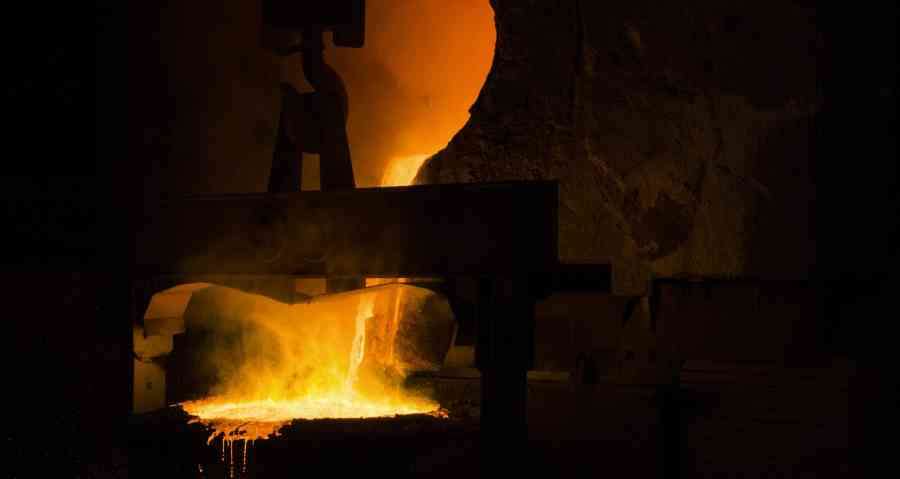
Induction furnaces represent the gold standard for industrial-scale production of high-quality cupronickel and bronze alloys. These systems utilize advanced electromagnetic induction technology to achieve rapid, uniform heating of the metal charge.
The induction process provides exceptional temperature control, typically maintaining ±5-10°C precision throughout the melting cycle. This precise control, combined with reduced melt exposure time, significantly minimizes metal oxidation losses.
However, these advantages come with substantial infrastructure requirements—induction systems demand three-phase power connections and regular maintenance of their water-cooled coil assemblies.
The capital investment is significant, with entry-level industrial units requiring substantial funding, while high-capacity models demand even greater financial commitment.
See the application of induction melting copper.
Propane or Natural Gas Furnace (Versatile Hobbyist Option)
For small-scale operations and hobbyist applications, propane or natural gas fired furnaces offer an accessible entry point into copper alloy melting.
These can reach temperatures up to 1200°C, making them suitable for processing common alloys like brass and phosphor bronze. Operating costs typically range between $5 and $15 per hour depending on local fuel prices.
Proper setup is critical for fuel-fired furnaces. The system should include at least 2 inches of high-quality ceramic fiber insulation, along with a precision pressure regulator to maintain consistent heat output
The direct flame impingement characteristic of these units does accelerate crucible wear compared to electric alternatives, necessitating more frequent replacement of consumables.
Crucible Furnace (Traditional Approach)
The crucible furnace remains a versatile and time-tested solution for foundry applications. The traditional melting approach comes in two main configurations.
Charcoal-fired models create an excellent reducing atmosphere, though they demand constant fuel management. Electric resistance versions offer more stable heating profiles but melt materials at slower rates.
Crucible selection plays a vital role in melting performance. Conventional clay-bonded graphite crucibles demonstrate service lives of approximately 20-30 thermal cycles under standard operating parameters. For longer service life, premium silicon carbide crucibles are available at a higher cost.
Proper sizing is essential, as undersized crucibles restrict production capacity, while oversized units may compromise heating efficiency.
Arc Furnace (Specialist Equipment)
Arc melting systems occupy a specialized niche in high-temperature metal processing. These powerful units require substantial electrical infrastructure, typically 220-480V service with robust water cooling systems to manage the intense thermal loads.
Electric arc systems generate extreme temperatures, making them ideal for demanding applications. However, they require highly skilled operators to prevent electrode damage and maintain safe operation.
Notably, arc furnaces are unsuitable for alloys containing volatile elements like zinc due to the risk of excessive vaporization losses.
The capital and operating costs associated with arc melting generally restrict its use to dedicated industrial applications where alternative methods prove inadequate.
Advanced Temperature Control Techniques
Precise temperature management separates adequate results from excellent castings. Here’s an expanded look at optimal parameters and control methods.
Detailed Temperature Guidelines Table:
| Alloy | Target Range | Critical Thresholds | Monitoring Tools |
|---|---|---|---|
| Brass | 900–940°C (1652–1724°F) | >950°C causes severe zinc loss | Infrared pyrometer + visual check (straw yellow color) |
| Bronze | 850–1000°C (1562–1832°F) | >1050°C accelerates tin oxidation | Immersion thermocouple with digital readout |
| Cupronickel | 1170–1240°C (2138–2264°F) | <1150°C risks incomplete melting | Dual-wavelength pyrometer |
| Phosphor Bronze | 850–950°C (1562–1742°F) | ±25°C variance affects fluidity | Thermocouple with data logging |
Fluxes for Copper Alloy Melting
Fluxes serve three key purposes: preventing oxidation, removing impurities, and improving metal fluidity. The most commonly used options include
- Borax (Na₂B₄O₇)
Action: Breaks down surface oxides (CuO) into liquid slag.
Application: Suitable for all copper alloys
Dosage: 0.1-0.5% of melt weight
Note: Excessive borax (>1%) can corrode crucibles
- Charcoal
Function: Creates reducing atmosphere to minimize oxidation and zinc loss
Application: Primarily for brass and bronze
Method: Maintain 1-inch layer over melt surface
Limitation: Ineffective for high-nickel alloys
- Calcium Fluoride (CaF₂)
Function: Reduces slag viscosity
Application: High-temperature alloys like cupronickel
Handling: Use respiratory protection due to fume risk
Deoxidation for Copper Alloys Melting
Copper alloys easily take in oxygen when melted, needing active deoxidation:
- Phosphor Copper (CuP)
Process: Phosphorus combines with oxygen, creating P₂O₅ gas.
Form: Typically added as CuP15 alloy (15% P)
Dosage: 0.02-0.05% of melt weight
- Charcoal Deoxidation
Process: Generates CO gas to reduce Cu₂O
Application: Small-scale brass/bronze melting
- Rare Earth Elements
Types: Lanthanum/cerium master alloys
Benefits: Rare earth elements provide enhanced deoxidation while simultaneously refining grain structure and improving electrical conductivity.
Typical addition: 0.01-0.1%
Practical Considerations:
Always pre-dry fluxes to avoid steam explosions
Add deoxidizers in small increments with thorough stirring
Monitor slag condition to determine flux effectiveness
These materials require careful handling—proper PPE including gloves, goggles, and respiratory protection, should always be used.
Pouring and Solidification
The final pouring and solidification stage is critical for producing quality copper alloy castings. Employing appropriate methodologies guarantees complete mold filling and promotes favorable metallurgical structures during solidification.
For pouring, temperature selection should match the casting requirements. For optimal casting results, brass requires higher pouring temperatures near 925°C, particularly for thin sections.
Bronze performs better at slightly lower temperatures around 875°C, which is ideal for heavier components.
Maintain a steady, continuous pour for most castings, though complex molds may require brief interruptions to prevent turbulence.
Controlling solidification is equally important. Use metal chills strategically to promote directional solidification in critical areas, and consider exothermic padding for thick sections that need slower cooling.
Cooling rates show significant variation by mold type. Sand molds typically achieve 50-100°C per minute, while metal molds demonstrate substantially faster rates of 200-300°C per minute. These differential cooling conditions exert direct control over the resultant casting’s mechanical characteristics and geometric tolerances.
The key is balancing these factors based on your specific alloy and casting design. Proper pouring and solidification control minimizes defects like shrinkage porosity and ensures the casting develops the desired strength characteristics.
Always allow adequate cooling time before removing castings from molds to prevent distortion or cracking.
Mastering these melting techniques will significantly improve your results. However, safe operation matters most.
Copper alloy melting involves serious hazards. Toxic metal fumes can cause permanent lung damage. Molten metal explosions are another critical risk. These dangers demand rigorous safety protocols.
The next section will cover essential protective measures. We’ ll examine emergency procedures in detail. You’ll also learn about necessary health monitoring.
Copper Alloys Melting Safety Guidelines
Safety is paramount when melting copper alloys. Each material presents unique hazards—from toxic fumes to explosion risks.
By following targeted protocols, you can minimize dangers while maintaining efficiency. Below are critical risks and preventive measures for copper alloy melting.
Zinc Fumes and “Metal Fume Fever”
When melting brass, zinc evaporates and forms ZnO fumes. Inhaling these fumes causes “metal fume fever” (symptoms: fever, headache, coughing, similar to flu). High-zinc brass (e.g., C28000 with 40% Zn) poses higher risks.
Protection Measures:
– Ventilation: Use exhaust systems (e.g., side-draft hoods) or melt outdoors.
– Respiratory Gear: Wear N95 or P100 masks to avoid direct fume inhalation.
– Process Control: Melt quickly at lower temperatures and cover with charcoal to reduce zinc evaporation.
Molten Copper-Water Explosion
Molten copper (≥1083°C) contacting water triggers instant vaporization, leading to splashing or explosions (steam explosion).
High-Risk Scenarios:
– Damp materials (e.g., oily/wet recycled copper wires).
– Cold tools (e.g., unheated crucible tongs) touching molten metal.
Prevention:
– Dry Materials: Preheat copper scraps at 100°C for 1 hour.
– Tool Preheating: Warm all tools (crucibles, molds) to 200–300°C before use.
– Dry Environment: Avoid outdoor melting in rain; keep workspace floors dry.
Special Hazards of Other Alloys
– Lead (Pb) Risk (e.g., leaded brass C36000): Toxic lead vapors require fume hoods and gas masks.
– Nickel (Ni) Allergy (melting cupronickel): Nickel dust may cause skin irritation; wash thoroughly after handling.
– Phosphorus (P) Flammability (phosphor bronze deoxidation): Add CuP alloy slowly to molten metal to prevent phosphorus ignition.
Understanding these safety protocols ensures efficient and hazard-free melting. Now, let’s explore how different copper alloys serve industries—from marine components to musical instruments.
Applications of Copper Alloys
Copper alloys serve diverse industries due to their customizable properties. Below are key applications grouped by alloy type, along with practical melting tips.

- Brass (Cu-Zn Alloys)
Primary Uses:
Plumbing Systems: Brass fittings (e.g., C36000) resist corrosion in water pipes and valves.
Musical Instruments: High-zinc brass (C26000) produces bright acoustic tones for trumpets and saxophones.
Decorative Items: The gold-like appearance makes it ideal for door handles and art pieces.
Melting Tip:
Zinc evaporation risks distorting alloy ratios. Use a charcoal cover and melt below 940°C to preserve zinc content.
- Bronze (Cu-Sn Alloys)
Primary Uses:
Marine Hardware: Tin bronze (C90300) withstands seawater corrosion in ship propellers and bearings.
Sculptures: Excellent castability allows intricate designs, like statues and medals.
Industrial Bearings: Phosphor bronze (C51000) offers low friction and high wear resistance.
Melting Tip:
Stir molten bronze thoroughly to prevent tin segregation. Maintain 850-1000°C for even mixing.
- Cupronickel (Cu-Ni Alloys)
Primary Uses:
Desalination Plants: C71500 (30% Ni) tubes handle high-salinity water without rusting.
Coinage: Silver-colored C77000 is durable for coins and tokens.
Thermocouples: Stable resistivity enables precise temperature sensors.
Melting Tip:
Requires 1170-1240°C in induction furnaces. Use argon gas to prevent nickel oxidation.
- Phosphor Bronze (Cu-Sn-P Alloys)
Primary Uses:
Electronics: Spring contacts in switches and connectors rely on its elasticity (e.g., C51900).
Guitar Strings: High fatigue resistance ensures long-lasting musical performance.
Anti-Spark Tools: Safe for oil/gas environments due to low-friction sparks.
Melting Tip:
Add phosphorus gradually via CuP alloy to avoid brittleness. Keep temperatures under 950°C.
Conclusion
In summary, copper alloys offer versatile solutions across industries. Pure copper works best for electrical applications, while alloys like brass and bronze provide enhanced mechanical properties.
Each material requires specific melting techniques—from charcoal-covered brass to argon-protected cupronickel.
For industrial needs, induction furnaces deliver precision melting with minimal oxidation. Meanwhile, small-scale projects can use gas furnaces with proper safety measures.
Ultimately, understanding alloy properties and melting methods ensures optimal results. Whether crafting marine components or musical instruments, selecting the right copper alloy makes all the difference.
For professional-grade equipment, consider advanced solutions like FOCO Induction furnaces to maximize efficiency.