Applications of high-frequency induction heaters span critical manufacturing processes such as hardening, brazing, and annealing, making them a vital emerging heating technology. From aerospace alloys to your smartphone’s circuitry, this contactless technology now enables previously impossible manufacturing breakthroughs.
Induction heating is a fast, efficient, and precise method of heating conductive materials using electromagnetic induction (see electromagnetic induction of IEEE). Fundamentally, this technology operates by generating an alternating magnetic field that creates eddy currents inside the workpiece.
In contrast to traditional flame or furnace heating, an high-frequency induction heater delivers contactless, localized heat with minimal energy waste. The benefits are clear: unmatched control, repeatability, and energy efficiency.
Now, let’s examine the top 10 applications of high-frequency induction heaters across key industries.
High-frequency Induction Heaters for Surface Treatment
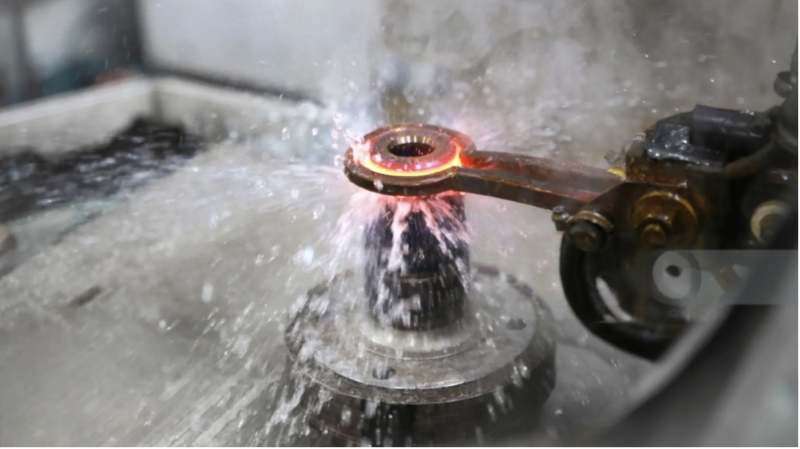
I rank induction hardening as the most critical surface treatment application in modern manufacturing for compelling reasons. As the process commanding the largest market share in industrial heat treatment, it solves the fundamental challenge facing automotive and heavy machinery industries: creating wear-resistant components that survive extreme operating conditions while maintaining production efficiency.
Induction Hardening Machines Excel Through:
- Surgical heating precision:Targets individual gear teeth or micro-features without affecting adjacent areas.
- Instant quenching: Completes phase transformation in 3-7 seconds via integrated cooling.
- Energy intelligence: Consumes 40-60% less power than atmosphere furnaces.
- Digital layer control: Maintains 0.5-10mm hardness depths with a tolerance of±1mm.
Major Applications
- Heavy Machinery:
- Hydraulic cylinders: Complete surface hardening of piston rods up to 6 meters long for excavators and presses.
- Heavy mining gear: Strengthening bulldozer track joints against rock and sand wear using targeted heat treatment.
- Construction machinery: Bucket tooth reinforcement and edge hardening for loaders and backhoes.
- Agricultural equipment: Gearbox component treatment for tractors and harvesters operating in dusty conditions.
- Transmission gears: Case hardening of helical and spur gears for EVs and hybrid vehicles, ensuring smooth power transfer under high torque conditions.
- Driveshafts: Precise hardening of splined sections and bearing surfaces to withstand rotational stresses.
- CV joints: Selective hardening of ball tracks and grooves for improved wear resistance in all steering conditions.
- Engine components: Camshaft lobe hardening for reduced friction and crankshaft journal treatment for enhanced durability.
- Industrial Tooling:
- Cutting dies: Precision edge hardening for blanking and punching tools in metal stamping.
- Mold components: Core and cavity surface treatment for injection molding applications.
- Press tools: Selective hardening of punches and dies for extended tool life.
- Plastic molds: Gate and runner surface enhancement to reduce wear in high-volume production.

At FOCO, we’ve taken this technology even further with our induction hardening machines that deliver great precision and efficiency for your most demanding surface treatment applications.
Induction hardening’s unmatched precision, efficiency, and material control make it essential for modern manufacturing, perfectly balancing durability and productivity. Its ability to optimize thermal input while preserving material integrity sets the gold standard for high-performance surface treatment.
High-frequency Induction Heaters for Brazing
When it comes to creating strong, reliable joints between dissimilar metals, induction brazing stands out as one of the most mature and versatile applications of induction heating technology. I’ve seen this method revolutionize joining processes across industries from household appliances to aerospace engineering.
Induction Brazing Delivers Unmatched Benefits:
- Micro-scale joint targeting: Heats only brazing interfaces, preserving surrounding components.
- Clean processing: 85% of applications require no flux, eliminating post-process residues.
- Production acceleration: 50-70% faster than manual torch methods.
- Universal material pairing: Bonds copper-steel, carbide-tool steel, and ceramic-metal combinations.
- Certified repeatability: Automated systems maintain ±2°C joint temperature control.
Major Applications
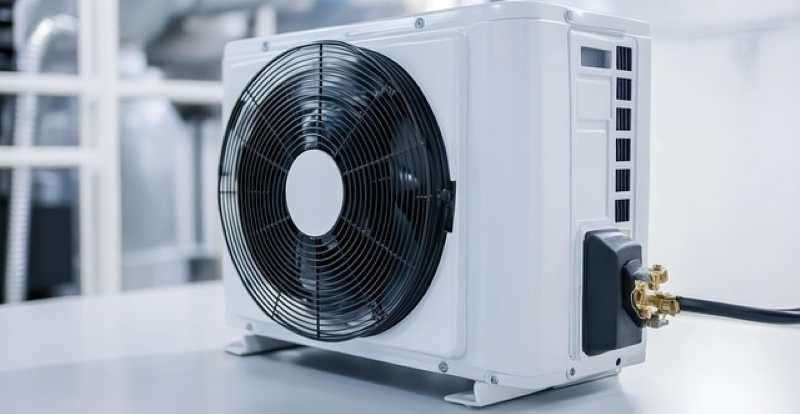
In the HVAC sector, induction brazing has become the standard method for joining copper pipes and aluminum components in refrigeration systems. The process enables:
- Copper pipe joining in air conditioning systems – creating leak-proof refrigerant lines that withstand years of pressure cycling.
- Aluminum part bonding for cooling coils and refrigerant evaporators.
- Compressor manufacturing where reliable joints are critical for system longevity.
- High-volume production lines processing thousands of identical joints per shift with consistent quality.
The electronics sector relies on induction heating brazing for:
- Sealing sensitive instrument and medical device housings.
- High-power electrical connections for busbars, circuit breakers, and transformer windings.
- Vibration-proof soldering in vehicle electronics systems.
- Battery pack assembly for electric vehicles requiring robust thermal management.
The aerospace sector requires induction brazing for:
- Turbine blade repair and manufacturing with joints that withstand extreme temperatures.
- Heat exchanger assembly for aircraft environmental control systems.
- Satellite component joining where weight savings and reliability are paramount.
- Rocket engine nozzle fabrication handling intense thermal cycling.
As we can see, induction brazing plays a quiet but essential role in keeping our modern world connected. The technology’s maturity and reliability explain why it remains a go-to solution for precision joining challenges across industries. FOCO induction brazing machines build on these industry-proven applications with greater productivity for high-volume joining operations.
Induction brazing’s precision and reliability make it the ideal solution for high-performance joining across industries, setting the standard for clean, durable bonds in modern manufacturing.
High–frequency Induction Heaters for Metal Melting
High-frequency induction melting furnaces revolutionized modern metallurgy by offering the fastest, cleanest and most energy-efficient melting solution for foundries and metal producers. In contrast to conventional combustion-based furnaces, these advanced systems deliver exceptional temperature accuracy and alloy consistency—key elements for producing high-performance castings and specialty metals.
Induction Melting Technology Advantages:
- Ultra-fast heating: Achieves melting temperatures 2-3x faster than gas or resistance furnaces.
- Superior energy efficiency: Delivers 20-30% lower power consumption with advanced power regulation.
- Zero contamination: Electromagnetic stirring ensures perfect alloy homogeneity without oxidation.
- Pinpoint temperature control: Maintains ±5°C stability for heat-sensitive alloys.
- Universal metal compatibility: Processes everything from aluminum to tungsten with equal precision.
Major Applications
- Foundry Operations:
- High-volume production of automotive castings (engine blocks, cylinder heads): induction melting enables rapid, large-scale production of critical automotive components.
- Continuous casting of steel billets and copper rods: this technology provides clean, homogeneous melts required for continuous casting operations.
- Aluminum alloy preparation for wheel and chassis parts: clean melting with reduced hydrogen content is achieved, with precise temperature control (±3°C) crucial for safety-critical automotive applications where porosity must be minimized in thin-walled castings.
- Jewelry Manufacturing:
- Ultra-precise precious metal fusion: Induction melters achieve ±1°C stability for gold/silver/platinum – vital for maintaining exact melting points and flawless alloy mixing in jewelry-grade metals.
- Custom jewelry casting with flawless surface finish: precise temperature control (±5°C) prevents overheating of delicate alloys while maintaining perfect fluidity for thin sections and fine details in rings, chains, and other jewelry items.
- Recycled precious metal processing: efficient recovery systems maximize yield from scrap while maintaining metal purity, with integrated filtration removing impurities from old jewelry.
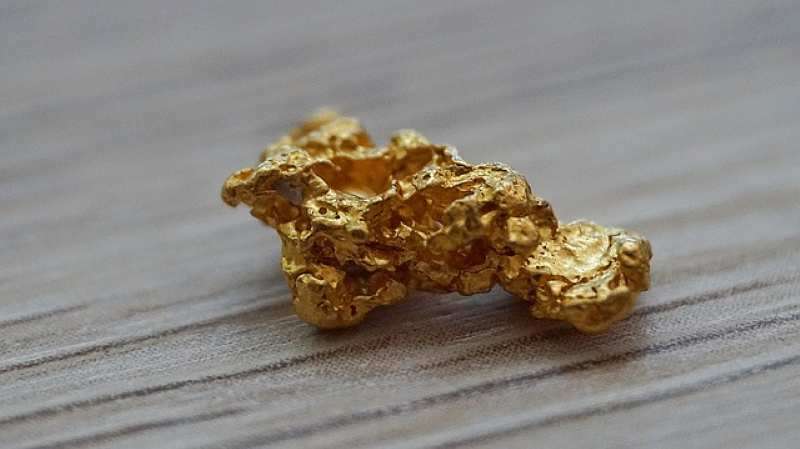
Check about FOCO induction melting furnace.
High-frequency induction melting redefines metallurgical excellence by delivering unmatched process control – transforming everything from precision castings to high-value material recovery with industrial-grade precision.
Learn more: What is the Melting Point of Metals Used in Different Industries
High-frequency Induction Heaters for Oil & Gas Industries
In the oil and gas industry, high-frequency induction heating plays a vital role. Its reliability, efficiency, and precision are critical. This technology enables critical operations from precision pipe welding to robust downhole tool assembly, maintaining operational integrity in the most demanding.

Core Induction Heating Benefits:
- Explosion-proof operation: With no open flames or combustion, induction heating is inherently safer for hazardous oilfield environments.
- Precision temperature control: Maintains ±5°C accuracy for critical heat treatment processes.
- Energy efficiency: Consumes 30-50% less energy than resistance heating methods.
- Rapid heating: Achieves target temperatures 2-3x faster than conventional methods.
- Process consistency: Delivers repeatable results unaffected by operator skill level.
- Localized heating: Minimizes thermal distortion in precision components.
Applications in Oil & Gas:
- Pipeline Induction Welding: Induction welding has become the gold standard for pipe manufacturing. Its non-contact nature eliminates filler metal contamination, producing pipelines with superior fatigue resistance for high-pressure service.
- Downhole Component Manufacturing: Induction heating plays a key role in producing essential downhole tools, such as PDC cutters and wellhead forgings. It can preserve material properties locally for critical components.
- Drill String Heat Treatment: Induction systems are crucial for performing heat treatment on drill pipes, bottom hole, tool joints.
- Precise hardening of wear surfaces extends service life in abrasive formations, while stress relieving prevents cracking in high-torque applications.
- Pipeline Preheating: For on-site welding of large-diameter pipelines, induction preheating ensures proper weld quality. Compared to flame heating, it prevents uneven heating and provides consistent results in extreme field conditions.
From pipeline welding to downhole tool manufacturing, induction heating’s controlled thermal precision proves indispensable in the demanding world of oil and gas operations.
Learn More: Induction Heating in Oil & Gas Industry
High-frequency Induction Heaters for Forging Operations
In modern metal forming processes, people increasingly rely on induction heating technology as their primary thermal processing solution. This advanced heating approach meets the growing requirements of precision forging while overcoming the limitations of conventional heating approaches.
Induction heating transforms metal forging by addressing two key issues- inconsistent heat distribution and energy waste. Unlike traditional furnace heating, induction provides:
- Uniform temperature distribution: Eliminates cold spots that cause forging defects.
- Precise thermal control: Maintains ±10°C consistency for optimal plasticity.
- 70%less scaling: Reduces material loss versus gas-fired furnaces.
- 50% energy savings: Heats only the workpiece, not the surrounding air.
- 3-5x faster: Achieves forging temperatures in minutes rather than hours.
Key Industrial Applications:
- Automotive Forging
- Crankshafts: Precisely heats journal bearings to 1200°C for precision forging, improving grain structure.
- Transmission gears: Localized heating of gear blanks reduces distortion during die forging.
- Suspension components: Rapid heating of tie rods and ball joints for high-volume production.
- EV battery components: Heats copper busbars for forging without oxidation.
- Aerospace Forging
- Turbine blades: Heats nickel superalloys (Inconel 718) to ±15°C for isothermal forging.
- Landing gear: Uniform heating of large titanium billets (up to 1m diameter).
- Structural frames: Precise heating of aluminum forgings for aircraft fuselage parts.
- Rocket components: Vacuum induction heating for critical titanium forgings.
Induction heating’s precision and efficiency have made it indispensable for modern forging operations across automotive, aerospace, and industrial applications.

FOCO induction forging machines deliver these critical capabilities with enhanced productivity and precision for metal forming operations.
High-frequency Induction Heaters for Annealing and Tempering
Induction heating has transformed contemporary thermal processing through accurate, low-energy solutions for annealing and tempering-essential operations shaping metal characteristics. Compared to traditional furnace techniques, induction offers focused heat management that enhances material structure while reducing warping and power consumption.
Key Advantages of Induction Annealing & Tempering:
- Precision temperature control (±5°C) for consistent results.
- Localized heating preserves unaffected material properties.
- Repeatable quality through automated process control.
- 50-70% faster processing than batch furnace methods.
- Reduces energy consumption by 60% compared to conventional resistance heating methods.
Comparison of Induction Annealing vs. Tempering:
| Parameter | Annealing | Tempering |
|---|---|---|
| Purpose | Soften metal, relieve stresses | Reduce brittleness after hardening |
| Temperature | 650-900°C (steel) | 150-650°C (steel) |
| Cooling | Slow furnace cool | Air or forced air cooling |
| Microstructure | Coarse pearlite | Tempered martensite |
| Typical Applications | Cold-worked parts, wire drawing | Hardened tools, gears |
Detailed Industrial Applications:
- Steel wire annealing: induction systems process steel wire for continuous production lines. This restores ductility for downstream processes like galvanizing (learn about galvanizing) while maintaining consistent material properties.
- Automotive component treatment: critical parts such as transmission gears, welded chassis and suspension springs receive precise heat treatment can optimize strength while preventing distortion in high-volume production.
- Cutting tools Treatment: benefit from specialized induction heat treatment processes including annealing for improved workability, tempering to achieve optimal mechanical properties, and precision edge hardening for enhanced cutting performance.
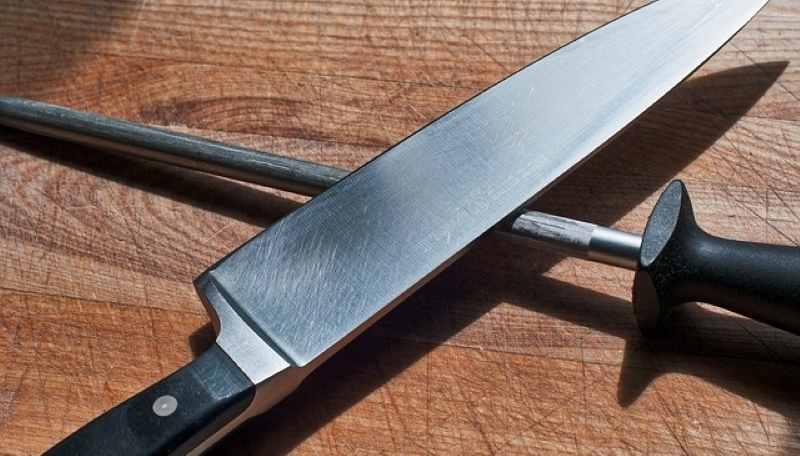
Induction heating revolutionizes metal heat treatment through precise, efficient annealing and tempering processes that enhance material properties across industries.
High-frequency Induction Heaters in Food & Packaging Industry
Induction heating has become a transformative technology in the food and packaging sectors, offering unmatched precision, efficiency, and hygiene in thermal processing. It’s ideal for high-speed production lines, sensitive food products, and sterile packaging applications, where temperature control and sanitation are critical.
Key Advantages:
- Rapid, on-demand heating: achieves target temperatures in seconds, boosting production throughput.
- Pinpoint accuracy (±2°C) : preserves product quality in heat-sensitive applications.
- Energy efficiency : reduces power consumption by 30-50% compared to resistive heating.
- Hygienic operation: no open flames, combustion byproducts, or hot surfaces to harbor bacteria.
- Compact integration: fits seamlessly into automated production lines with minimal downtime.
Major Applications:
- Food Processing
- Precise chocolate tempering: Induction maintains chocolate at exact temperatures during tempering, ensuring proper crystallization for glossy finish and snap.
- Pasteurization processes: Induction rapidly heats liquid foods to specified temperature for some seconds in continuous flow systems, meeting safety standards without overcooking.
- Sauce and syrup heating: Viscous products like ketchup or caramel are heated in processing lines via induction-equipped pipes. The direct heating prevents burning while improving flow properties.
- Packaging Sealing
- Induction-sealed foil lids: Yogurt containers and prepared-food trays utilize 200-300°C induction bonding for foil closures. This contact-free technique maintains foil integrity while ensuring uniform seal durability.
- Tamper-evident seal production: Pharmaceutical and food packages use induction-activated tamper-proof liners that bond securely to containers. The instantaneous heatingleaves no residue while providing visible evidence if opened.
- Hermetic sealing of containers and lids: Induction heating creates airtight seals on plastic and metal packaging, ensuring product freshness while preventing leaks or contamination. The process heats only the seal area, leaving product contents unaffected.

The technology’s rapid response and precise control make it particularly valuable for heat-sensitive food products and high-speed packaging lines. Unlike conventional heating methods, induction provides instantaneous thermal energy exactly where needed, without heating surrounding areas or creating product contamination risks.
High-frequency Induction Heaters for Scrap Metal Recycling
Induction heating has transformed scrap metal recycling by enabling selective, high-purity recovery of metals from complex waste streams. Unlike conventional furnaces, induction technology excels at processing mixed, contaminated, or low-volume scrap—making it indispensable for modern recycling operations.
Unique Advantages for Recycling:
- Material Separation: Differential heating detaches bonded metals (e.g., aluminum from steel) through thermal expansion mismatch.
- Alloy Preservation: Argon-shielded melting retains >99% of valuable alloying elements (Mg, Si, etc.).
- Tactical Scalability: Mobile units (50–500kg capacity) enable on-site processing at demolition yards.
- Zero Downtime Switching: <30-minute alloy changeovers for handling varied scrap batches.
- Emission Control: Integrated fume capture reduces particulate emissions by 70% vs. cupola furnaces.
Specialized Recycling Processes:
- E-Waste Refining: Induction systems efficiently recover gold from circuit boards by localizing 1100°C heat to contacts only, while copper windings are extracted from motors at 200-300°C without damaging cores.
- Automotive Scrap Processing: The technology separates aluminum engine blocks from steel mounts by differential heating, and recovers high-purity copper from wiring harnesses at optimal temperatures.
- Industrial Waste Upcycling: Stainless steelswarf is purified into reusable material, while aerospace titanium scrap is processed under controlled conditions to maintain critical properties.
Induction heating has completely changed the game for metal recycling. It offers accuracy, saves energy, and is eco-friendly—transforming mixed scrap metal into pure, reusable material.
High-frequency Induction Heaters for Medical Device Sterilization
Induction heating has emerged as a game-changing technology for medical device sterilization, offering fast, precise, and residue-free thermal decontamination. Unlike traditional methods (e.g., autoclaving or chemical sterilization), induction provides localized, controlled heating that preserves delicate instruments while ensuring 100% microbial elimination.

Key Advantages for Medical Sterilization:
- Ultra-fast cycles: Achieves sterilization temperatures (121–135°C) in seconds.
- Precision targeting: Heats only metal components, protecting plastic/ceramic parts.
- No chemical residues: Eliminates ethylene oxide (EtO) or hydrogen peroxide concerns.
- Energy efficiency: Uses 40% less energy than steam autoclaves.
- Compact integration: Fits into surgical workflows (ORs, dental clinics, labs).
Detailed Medical Applications:
- Surgical Instrument Sterilization
- Reusable scalpels/forceps: Induction heats metal surfaces to 135°C for 3–5 seconds, killing pathogens without damaging sharp edges or tempering.
- Arthroscopic tools: It thoroughly disinfects the narrow channels and joints that steam sterilization often misses.
- Orthopedic implants: Pre-op sterilization of titanium/steel components with zero surface oxidation.
- Dental Device Processing
- Endodontic files: Rapidly sterilizes nickel-titanium files without compromising flexibility.
- Burs/drills: Maintains cutting-edge hardness while eliminating bloodborne pathogens.
- Bracket debonding: Simultaneously sterilizes and loosens orthodontic brackets for removal.
- Diagnostic & Lab Equipment
- Biopsy needles: Rapidly inactivates prions/proteins at specified temperature—critical for preventing cross-contamination (resistant to standard sterilization).
- Microfluidic chips: Localized heating targets only metal layers, preserving heat-sensitive polymer channels.
- Lab instrument tips: Ensures sterile pipette tips or electrode surfaces between uses via instant high-temperature treatment.
Induction heating enables rapid, precise, residue-free sterilization for medical tools. It eliminates pathogens instantly while protecting delicate components, outperforming traditional methods in speed and safety for clinical applications.
High-frequency Induction Heaters for 3D Printing
High-frequency induction heating is revolutionizing metal additive manufacturing (3D printing) by enabling precise, energy-efficient thermal control—critical for producing defect-free, high-performance components. Unlike laser or electron beam methods, induction heating provides uniform heat distribution, reducing residual stresses and improving layer adhesion in printed parts.
Key Innovations in 3D Printing:
- Powder Preheating: Induction coils heat metal powders to 200–400°C before deposition, minimizing oxidation and improving flowability.
- In-Process Temperature Control: Localized heating prevents warping in large-scale prints (e.g., aerospace components).
- Alloy-Specific Melting: Adjustable frequencies (10–400 kHz) optimize energy input for different metals (titanium, Inconel, tool steel).
- Hybrid Manufacturing: Combines induction heating with CNC machining for near-net-shape part finishing.
Industry Applications:
- In aerospace, induction-heated 3D printing helps create turbine blades that are lighter but just as strong – a game-changer for fuel efficiency.
- For medical implants, this technology allows custom-designed pieces with just the right amount of tiny holes to help bone tissue grow into them naturally.
- Auto manufacturers use it to quickly test and make durable, lightweight components like gearboxes.
By enhancing precision, speed, and material efficiency, induction heating is becoming indispensable in next-generation additive manufacturing—ushering in a new era of industrial production.
Other Applications
Beyond these top 10 applications, high-frequency induction heaters also enable:
Precision tube/wire welding for electrical components, semiconductor crystal growth with controlled thermal gradients, automotive paint curing for faster production lines, rail track stress relief to prevent cold-weather fractures, textile industry fiber treatment, and even spacecraft component testing under extreme thermal conditions.
Their unmatched combination of energy efficiency, localized heating, and process control continues to unlock innovative uses across emerging industries.
Conclusion
High-frequency induction heating delivers unmatched precision, efficiency, and versatility across industries. From hardening automotive parts to sterilizing medical tools and revolutionizing 3D printing, this technology continues to push manufacturing boundaries.
As industrial demands evolve, induction heating remains the smart, sustainable solution for tomorrow’s thermal processing challenges.
The future of industrial heating is here, and it’s powered by induction.